Chicago Rub Rankings: Best Seasonings Tested
Chicago has long stood as the meat capital of the American Midwest. From the historic Union Stock Yards to world-renowned steakhouses and South Side smokehouses, the city has developed a distinct identity around how meat is seasoned, seared, and smoked. Whether you are aiming for a crunchy, savory crust on a thick bone-in ribeye or building mahogany bark on pork ribs, choosing the right seasoning makes all the difference. In this comprehensive guide, our definitive Chicago rub rankings evaluate the finest retail and artisan spice blends on the market today to determine which ones deserve a permanent spot by your grill.
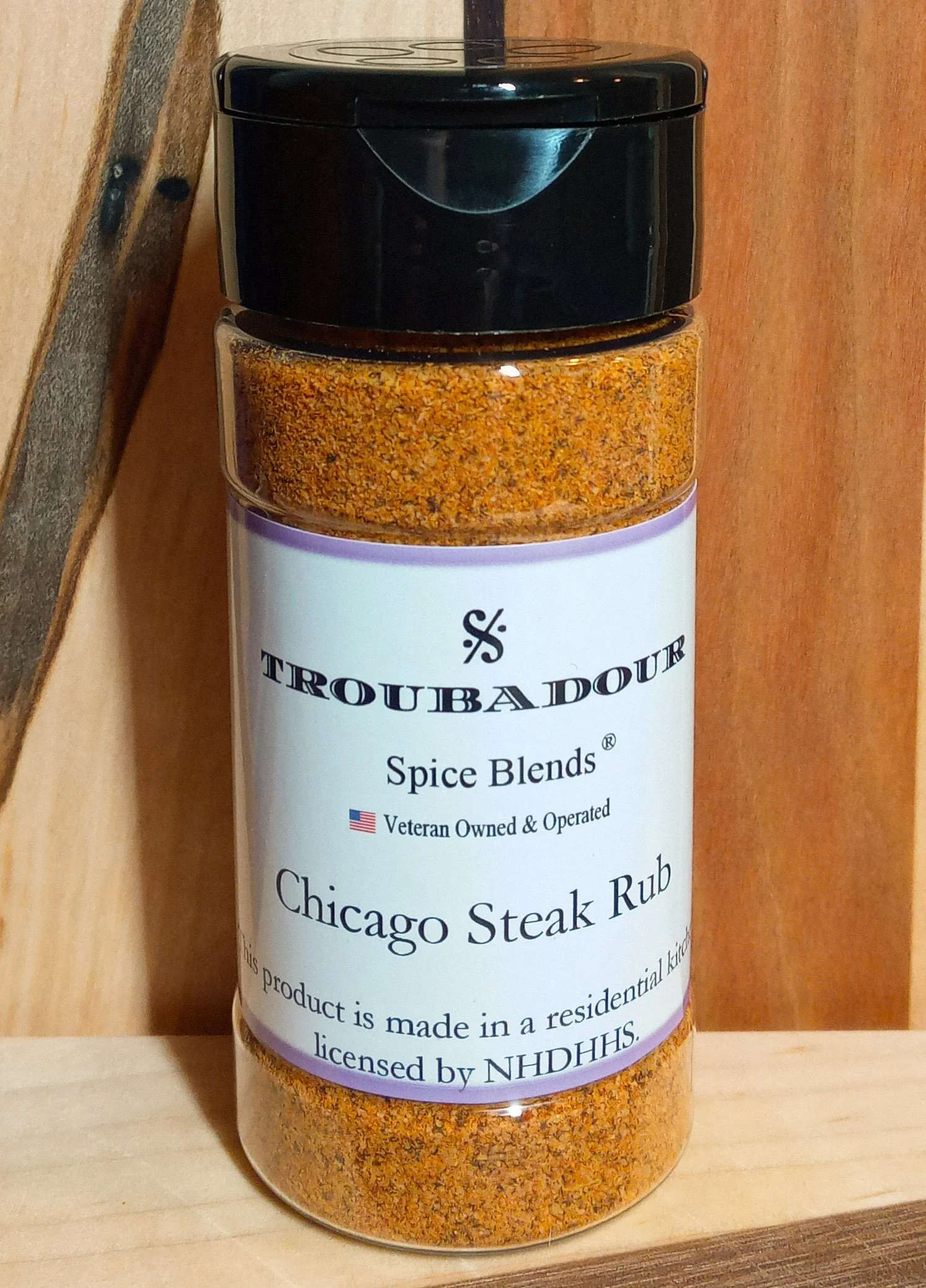
What Defines an Authentic Chicago-Style Rub?
Unlike sweet Memphis rubs dominated by brown sugar or pepper-and-salt Central Texas formulations, traditional Chicago-style rubs fall into two distinct culinary categories: classic steakhouse seasonings and Midwestern barbecue rubs.
- Steakhouse Blends: Defined by coarse-ground black pepper, kosher salt, dehydrated garlic, onion flakes, and occasionally dill seed, red pepper flake, or coriander. These rubs are designed for high-heat searing, resisting scorch while forming a crunchy exterior.
- Smokehouse Blends: Born out of Chicago's neighborhood barbecue joints, these rubs strike a balance between sweet, savory, and spicy. They frequently combine turbinado sugar with smoked paprika, celery seed, dry mustard, and garlic to complement hickory and applewood smoke.
Official Chicago Rub Rankings: The Top Blends Tested
We tested these blends across prime cuts of beef, pork shoulder, and poultry, scoring each blend on crust development, sodium balance, ingredient quality, and overall flavor depth.
1. The Spice House: Back of the Yards Butcher's Rub
Named after the historic neighborhood bordering the Union Stock Yards, this blend from The Spice House in Chicago is our undisputed top pick. It eschews generic fillers in favor of cracked Tellicherry peppercorns, roasted garlic, bell pepper, and crushed coriander.
Best for: Strip steaks, skirt steak for fajitas, and pork loin.
Flavor profile: Bold, peppery, aromatic, with savory sweetness from dried bell pepper.
Crust potential: Exceptional. The coarse grind builds a restaurant-quality crust under high direct heat without turning bitter.
2. Lillie's Q: Q-Rub
Founded by award-winning pitmaster Charlie McKenna in Chicago's Bucktown neighborhood, Lillie's Q produces some of the most respected barbecue seasonings in the country. The Q-Rub features a foundation of salt, sugar, black pepper, and chili peppers, amplified by hints of garlic and onion.
Best for: Pork ribs, chicken wings, and pulled pork.
Flavor profile: Balanced sweet and heat with mild smoke notes.
Crust potential: Very high on smoker setups; sugar levels are carefully calculated to caramelize without scorching.
3. Weber: Chicago Steak Seasoning
Widely available and remarkably consistent, Weber's Chicago Steak Seasoning is the benchmark grocery blend that popularised the profile nationwide. Featuring coarse salt, black pepper, garlic, onion, and red pepper flakes, it provides an immediate, punchy flavor profile.
Best for: Weeknight burgers, thick-cut sirloin, and roasted potatoes.
Flavor profile: Sharp garlic-forward punch with a lingering black pepper bite.
Crust potential: Strong when cooked over direct medium-high flame, though users sensitive to salt should apply with a moderate hand.
4. Smoque BBQ: Signature House Rub
Smoque BBQ in Chicago's Irving Park neighborhood is celebrated nationally for its brisket and ribs. While the restaurant closely guards its proprietary ratio, their retail dry rub mirrors the smokehouse standard: coarse sea salt, cracked black pepper, smoked paprika, and a touch of brown sugar and aromatic herbs.
Best for: Beef brisket, beef back ribs, and smoked chuck roast.
Flavor profile: Deeply savory, savory-sweet, with subtle earthy undertones.
Crust potential: Outstanding bark builder during long 225°F to 275°F smoking sessions.

5. The Spice House: Lake Shore Drive Seasoning
Another classic from Chicago's premier spice blenders, Lake Shore Drive Seasoning leans more herbal and delicate than the hearty Back of the Yards rub. Combining coarse salt, green and sweet onions, crushed garlic, and dried herbs, it serves as an exceptional cross-over seasoning.
Best for: Grilled chicken breast, lake fish, grilled vegetables, and prime rib roast.
Flavor profile: Herbaceous, clean, allium-rich.
Crust potential: Moderate; best used where delicate browning rather than a charred crust is desired.
How We Scored the Seasonings
To establish our rankings, each rub was graded across four specific benchmarks that matter to home cooks and pitmasters alike:
- Crust and Bark Performance: How well the rub forms a textured crust at high temperatures (450°F+) or a solid bark during 10-hour low-and-slow cooks. Blends with too much fine powder or excess white sugar scored poorly due to their tendency to burn.
- Sodium Equilibrium: Salt is essential for protein extraction and moisture retention, but an inferior rub uses salt merely as inexpensive filler. Top-ranked rubs maintain an optimal ratio of spices to sodium.
- Particle Consistency: Uniform coarse grinds provide even seasoning distribution and better tactile feel. Fine dust blends settle unevenly and wash away with meat juices.
- Freshness of Aromatics: Dehydrated garlic and onion must taste pungent and sweet, not stale or chalky. High-grade pepper oils must be evident when heated.
How to Apply Chicago Rubs for Maximum Flavor
Using a top-tier rub does not guarantee great results if applied improperly. Follow these steps to optimize your cook:
The Dry Brine Technique
For thick cuts of steak or whole roasts, apply your chosen Chicago rub 12 to 24 hours ahead of cooking. Place the meat on an elevated wire rack over a sheet pan in the refrigerator uncovered. The salt in the rub draws moisture out, dissolves the spices, and carries those flavor compounds back into the muscle fibers. The cold, circulating air simultaneously dries the exterior meat surface, guaranteeing superior browning.
Binder Selection
For low-and-slow smoking (pork shoulders, briskets), apply a thin binder of yellow mustard or Worcestershire sauce before seasoning. The binder does not impart flavor after smoking; its sole purpose is to hold coarse spices securely against the meat surface so smoke condensation can form bark evenly.
Make Your Own: Classic Chicago Steak Rub Formula
If you prefer blending from scratch using whole spices from your pantry, this reliable ratio captures the essence of classic Chicago steakhouse flavor:
- 2 tablespoons coarse sea salt (or kosher salt)
- 2 tablespoons coarse butcher-grind black pepper
- 1 tablespoon granulated roasted garlic
- 1 tablespoon dehydrated minced onion
- 1 teaspoon crushed red pepper flakes
- 1/2 teaspoon crushed coriander seed
- 1/2 teaspoon dried dill seed (optional, for authentic steakhouse finish)
Mix thoroughly and store in an airtight container away from direct sunlight. Apply generously to room-temperature steaks five minutes before high-heat grilling.
Final Takeaway
Our Chicago rub rankings show that whether you want the heritage garlic-pepper crunch of The Spice House Back of the Yards, the competition-tested balance of Lillie's Q, or the accessible punch of Weber, there is a dedicated Chicago blend for every protein. Pay close attention to coarse grinds and low filler percentages, let your meat dry brine before cooking, and enjoy the authentic flavors of the Windy City at your own backyard table.