Chili Rasbora Size: Tiny Fish Care Guide
When venturing into the world of nano fishkeeping, one species instantly steals the show with its fiery red coloration and minuscule proportions: the Boraras brigittae. If you are planning a planted aquarium, understanding the adult chili rasbora size is essential for stocking, tankmate selection, and overall aquarium design.

These tiny Southeast Asian natives are among the smallest vertebrate pets you can keep in a home aquarium. Despite their small stature, they pack a massive visual punch. In this comprehensive guide, we will break down their exact measurements, growth stages, and what you need to know to help them thrive.
Adult Chili Rasbora Size and Physical Traits
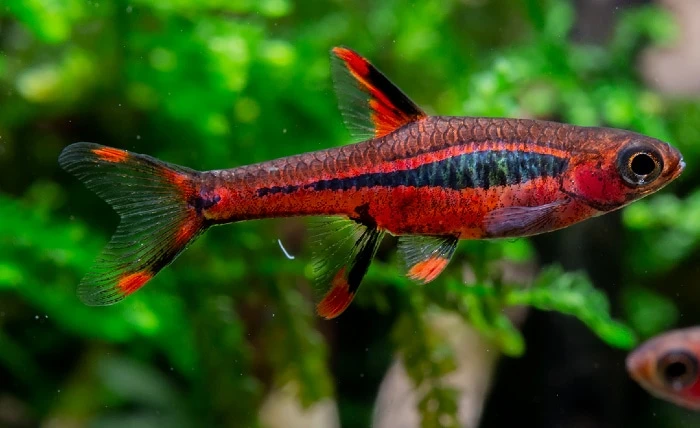
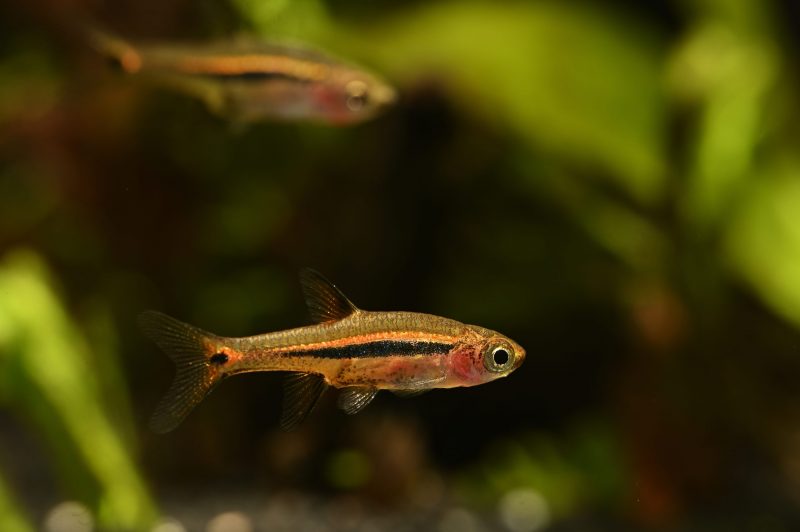
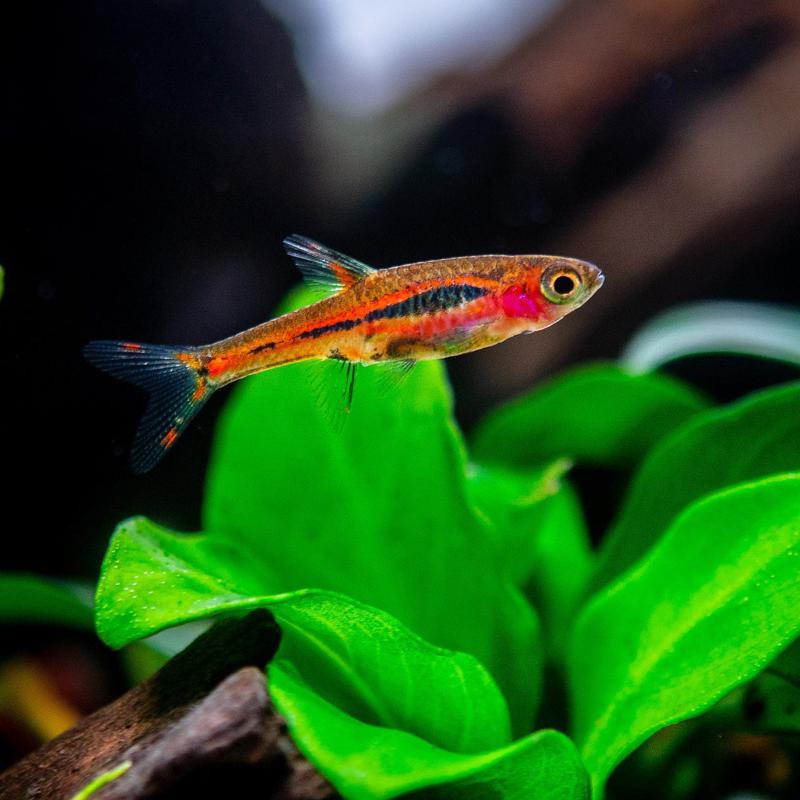
So, just how small are they? The typical adult chili rasbora size reaches a mere 0.7 to 0.8 inches in length (roughly 1.8 to 2 centimeters). Females tend to be slightly rounder in the belly and sometimes fractionally larger than males, though the difference is barely noticeable to the naked eye.
Because of their incredibly slender bodies, they weigh almost nothing and have a negligible bioload on an established aquarium. Their small size makes them a favorite for desktop tanks, rimless aquascapes, and dedicated shrimp setups. However, their diminutive dimensions also mean you must choose their tankmates with extreme care to prevent them from becoming an expensive snack.
Comparison: Fry to Adult Growth Stages
Like most freshwater fish, chili rasboras go through distinct developmental phases:
- Fry Stage: When first hatched, chili rasbora fry are microscopic—barely visible as tiny glass slivers clinging to aquarium glass or plants. They require infusoria or liquid fry food for the first few weeks.
- Juvenile Stage: At around one to two months, juveniles reach about a quarter-inch in length. Their signature colors begin to develop as they transition to crushed flake foods and baby brine shrimp.
- Adult Stage: By four to six months, they achieve their maximum adult chili rasbora size. At this point, males display their vibrant, deep-red hues, especially when competing for attention or interacting within a school.
Aquarium Requirements Based on Their Size
Do not let their tiny size fool you into thinking they can live in a neglected fishbowl. While their small biological footprint means they do not need massive water volumes, they have specific environmental needs to stay healthy and show their best colors.
Tank Volume and Footprint
A single chili rasbora technically requires very little water, but because they are strictly schooling fish, they must be kept in groups. A minimum tank size of 5 gallons is acceptable for a small group of 6 to 8 individuals, but a 10-gallon tank or larger is vastly superior.

A longer tank footprint is much better than a tall, vertical cube. Chili rasboras are active swimmers that dart horizontally through dense vegetation. Providing swimming space paired with dense planting mimics their natural peat swamp habitats.
Filtration and Flow
Because of their fragile size, strong water currents can exhaust these nano fish quickly. Powerful powerheads or heavy filter outflows will push them around and cause chronic stress. Opt for gentle filtration methods:
- Sponge Filters: Excellent for nano tanks, providing biological filtration without dangerous suction or strong currents.
- Baffled Hang-On-Back Filters: If using a standard HOB filter, use a pre-filter sponge on the intake tube and baffle the output flow using a sponge or custom acrylic lip.
Choosing Tankmates for Micro-Sized Fish
Given the typical adult chili rasbora size, most standard community fish are completely out of the question. Angelfish, large tetras, gouramis, and cichlids will view these tiny fish as live food.
Instead, look toward peaceful, similarly sized invertebrates and micro-species:
- Freshwater Shrimp: Cherry shrimp, Crystal Red shrimp, and Amano shrimp make fantastic tankmates. Adult shrimp will largely ignore the fish, though very young shrimp shrimplets might occasionally be snacked upon.
- Other Boraras Species: You can successfully mix chili rasboras with related micro-rasboras like the Strawberry Rasbora (Boraras naevus) or Pygmy Rasbora (Boraras maculatus).
- Nerite Snails: Peaceful, algae-eating snails that add visual interest without increasing the bioload significantly.
Feeding Recommendations for Tiny Mouths
Feeding chili rasboras requires sourcing foods that fit their microscopic mouths. Standard large fish flakes or sinking pellets will go completely uneaten, leading to poor water quality as the food rots at the bottom of the tank.
Provide a varied diet consisting of high-quality micro-pellets crushed into powder, finely powdered flake food, frozen cyclops, baby brine shrimp, and microworms. Feeding a varied diet enhances their coloration, shifting their base color from a pale orange-pink to a striking, iridescent crimson red.
Conclusion
Understanding the true chili rasbora size is the first step toward creating a successful nano biotope. Ranging from 0.7 to 0.8 inches as adults, these magnificent little swimmers prove that you do not need a massive aquarium to enjoy a vibrant, active, and deeply rewarding fishkeeping experience. By providing a densely planted tank, gentle filtration, tiny foods, and a proper school, your chili rasboras will thrive and display colors that rival fish ten times their size.