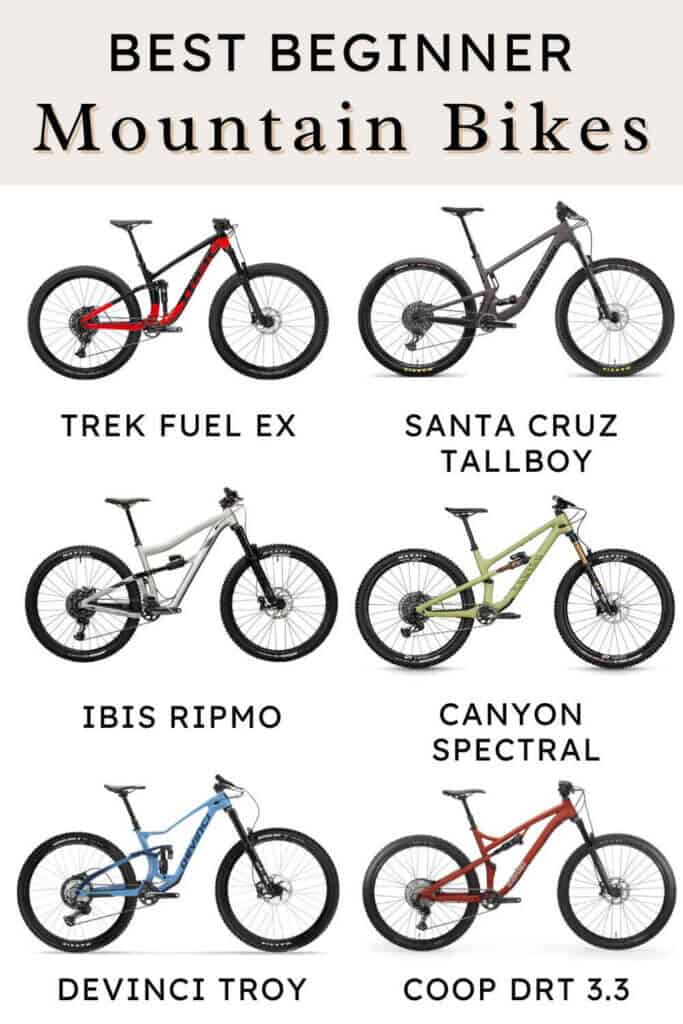
Choosing Your First MTB for Beginner Riders
Stepping into the world of mountain biking is an exciting milestone. However, walking into a bike shop or browsing online stores can quickly induce sticker shock and technical overload. Finding the right mtb for beginner trails doesn't mean you need a five-figure carbon-fiber race machine. Instead, you need a reliable, capable bike that builds your confidence on dirt, gravel, and roots.

This guide cuts through the marketing jargon to help you understand what actually matters when purchasing your first mountain bike.
Understanding Mountain Bike Categories
Before looking at brands or price tags, you need to decide what style of riding you want to do. Mountain bikes are generally categorized by their suspension setup and intended terrain.
Hardtail vs. Full-Suspension
The biggest decision you will make is whether to buy a hardtail or a full-suspension bike.
- Hardtails: These bikes feature a suspension fork at the front and a rigid rear frame. They are lighter, cheaper, require less maintenance, and force you to learn proper line-choice and body positioning. For most people starting out, a hardtail is the smartest choice.
- Full-Suspension: These feature both front and rear shock absorbers. They offer more comfort, better traction on technical climbs, and forgiveness when you make mistakes on descents. However, they are heavier, more expensive, and require periodic shock service.
Wheel Sizes: 27.5-inch vs. 29-inch
Modern mountain bikes typically come in two wheel sizes:
- 27.5-inch: More agile and playful. Easier to maneuver in tight, twisty corners and great for smaller riders.
- 29-inch: Roll over rocks and roots with ease. They maintain momentum better and provide extra stability, making them the industry standard for cross-country and trail riding.
Key Components to Look For
Once you settle on a frame style, you need to evaluate the parts attached to it. Component quality dictates how well the bike shifts, stops, and handles.
Drivetrain
Video: 10 Essential MTB Skills for Beginners

Look for a modern 1x (one-by) drivetrain. This means there is only a single chainring at the front and a wide-range cassette (usually 10 to 12 speeds) at the rear. Modern 1x setups eliminate the front derailleur entirely, making shifting simpler, dropping dropped chains, and freeing up handlebar space for a dropper post remote.
Brakes
Hydraulic disc brakes are a non-negotiable feature for modern mountain bikes. They provide superior stopping power and modulation in all weather conditions compared to old-school mechanical disc brakes or rim brakes, requiring much less finger effort on long descents.
Dropper Seatpost
A dropper post lets you lower your saddle with the press of a handlebar lever so it's out of the way when descending, and raise it back up for efficient pedaling on climbs. While many entry-level bikes don't come with one stock, ensure the frame is compatible so you can add one later.
Budgeting for Your First Mountain Bike
Price points in mountain biking vary wildly, but a dependable entry-level hardtail typically ranges from $700 to $1,500. Spending less than $600 often lands you on a "department store" bike, which is typically heavy, poorly assembled, and unsafe for actual mountain bike trails.
Remember to set aside part of your budget for essential accessories:
- A properly fitted helmet designed for mountain biking (offering more rear head coverage).
- Flat mountain bike pedals and flat-soled shoes (like skate shoes) to start, which make dabbling a foot much easier than clipless pedals.
- A mini-pump, spare tube, and tire levers.
- Water storage (either a bottle cage on the frame or a hydration backpack).
How to Test Ride a Bike
Specs on a screen only tell half the story. Whenever possible, visit a local bike shop to throw a leg over a few models.
- Check Standover Height: Stand straddling the top tube with your feet flat on the ground. You should have an inch or two of clearance.
- Take a Spin: Ride around the parking lot or test track. Shift through all the gears and test the brakes firmly.
- Assess Comfort: Reach to the handlebars shouldn't feel overly stretched out or cramped. Your local bike shop employees can help adjust saddle height and tilt to find your sweet spot.
Purchasing your first mountain bike opens the door to an incredible community, great fitness, and outdoor adventure. Focus on a solid aluminum hardtail with hydraulic disc brakes and a 1x drivetrain, and you will have a dependable companion for your progression on the trails.