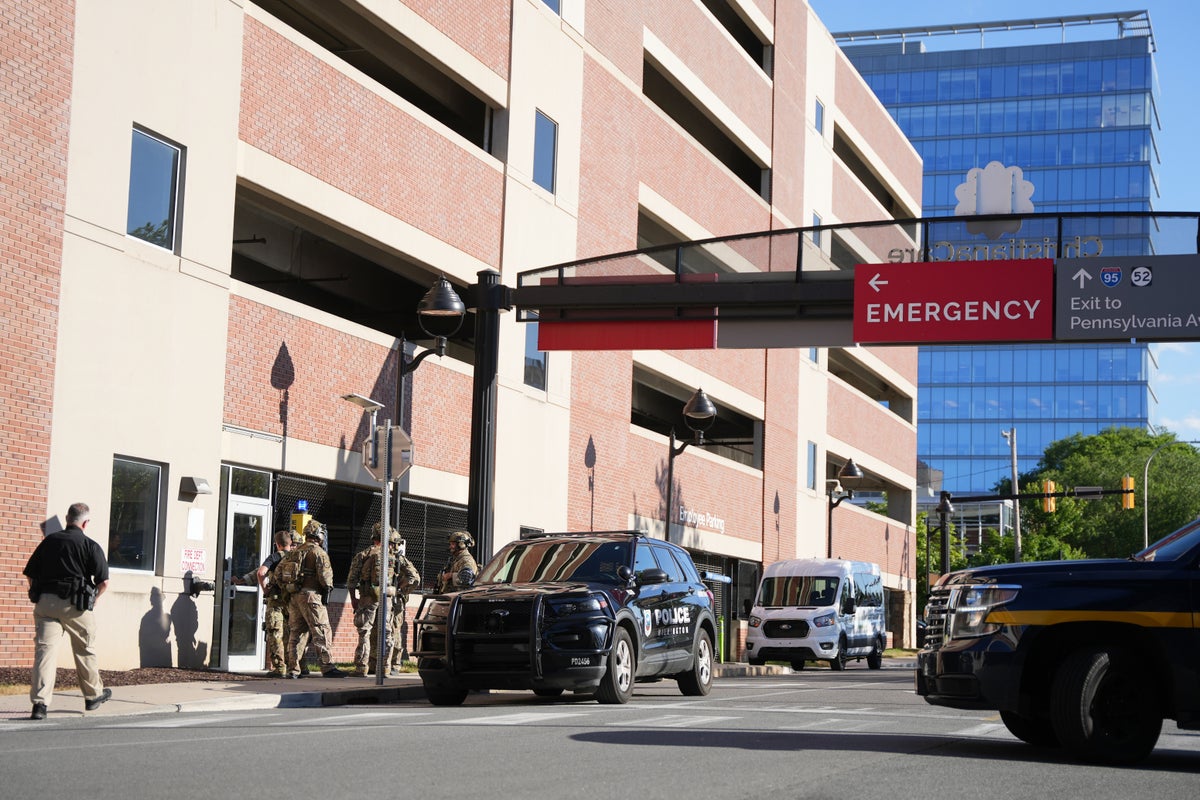
ChristianaCare Wilmington Hospital Emergency Department
When an acute medical crisis strikes, knowing where to turn for immediate, high-quality medical attention is essential. Located in the heart of downtown Wilmington, Delaware, the ChristianaCare Wilmington Hospital emergency department provides round-the-clock, comprehensive emergency services to residents throughout New Castle County and the surrounding tri-state area. Operating 24 hours a day, 365 days a year, this state-of-the-art facility is equipped to stabilize, diagnose, and treat conditions ranging from complex medical illnesses to traumatic injuries.

Location, Contact, and Arrival Details
Wilmington Hospital sits on an expanded urban campus designed for easy access by foot, public transit, or passenger vehicle.
- Address: 501 W. 14th Street, Wilmington, DE 19801
- Emergency Department Entrance: Accessible directly off Washington Street and West 14th Street, clearly marked with red emergency signage.
- Parking: Dedicated patient drop-off areas are situated immediately in front of the emergency entrance. Adjacent visitor parking garages and designated surface parking lots offer convenient space for family members and accompanying drivers.
- Telephone: For life-threatening emergencies, always dial 911 immediately. For the hospital general operator, call (302) 733-1000.
Services at the ChristianaCare Wilmington Hospital Emergency Department
Following a massive modernization and expansion project, the emergency department at Wilmington Hospital features private treatment rooms, advanced bedside diagnostic technologies, and rapid-access imaging suites. The facility delivers clinical capabilities tailored to both the immediate urban population and broader regional needs.
1. Level III Adult Trauma Care
Wilmington Hospital is an accredited Level III Adult Trauma Center. While Christiana Hospital in Newark serves as the state's flagship Level I Trauma Center, the Wilmington Hospital emergency team is fully equipped to perform rapid resuscitation, emergency surgery, intensive monitoring, and stabilization of severely injured patients. If a patient requires ultra-specialized tertiary intervention, seamless transfer protocols within the ChristianaCare health system ensure rapid transport.
2. Advanced Cardiovascular and Stroke Triage
Time lost is brain and heart muscle lost. The emergency department coordinates directly with local emergency medical services (EMS) using advanced telemetry. For suspected strokes, the hospital activates a specialized stroke team immediately upon arrival, utilizing rapid CT scanning, artificial intelligence-assisted imaging analysis, and the administration of clot-busting medications. Cardiac patients receive immediate electrocardiograms (ECGs) and rapid stabilization before transfer to catheterization labs or cardiac care units as needed.
3. Behavioral Health and Crisis Support
Wilmington Hospital houses extensive behavioral health resources. Patients experiencing acute psychiatric crises, severe depression, substance use withdrawal, or emotional trauma receive specialized assessments in a safe, secure environment. Clinicians, social workers, and psychiatric specialists work collaboratively to provide acute stabilization and connect patients with inpatient or outpatient community resources.
4. Senior-Friendly, Geriatric Emergency Care
Recognizing the distinct medical vulnerabilities of older adults, the Wilmington Hospital emergency department incorporates geriatric-friendly care principles. This approach focuses on reducing delirium risks, screening for mobility and fall risks, managing polypharmacy (medication interactions), and coordinating comprehensive post-discharge care to prevent avoidable readmissions.
What to Expect During Your Emergency Visit
Navigating an emergency room visit can feel overwhelming. Understanding the clinical workflow helps demystify the process and sets realistic expectations regarding wait times and procedures.
- Immediate Triage: Upon arrival, a specially trained triage nurse evaluates vital signs, pain levels, and symptoms. Emergency departments do not operate on a first-come, first-served basis; patients with the most life-threatening conditions (such as respiratory failure, severe chest pain, or massive trauma) are seen immediately.
- Registration: Staff will collect identification, insurance details, and emergency contact information. If a patient is critically ill, registration takes place at the bedside after clinical interventions begin.
- Physician and Advanced Practice Evaluation: Once moved to a private treatment room, an emergency physician, physician assistant, or nurse practitioner performs a thorough physical examination and orders relevant laboratory tests, X-rays, or CT scans.
- Treatment and Monitoring: Nursing staff administer intravenous fluids, medications, oxygen, or wound care while awaiting diagnostic results. The department features bedside digital telemetry to continuously track heart rhythms and oxygenation.
- Disposition (Admission vs. Discharge): Following test results, the care team decides whether the patient can safely return home with follow-up instructions or must be admitted to Wilmington Hospital's inpatient units, surgical suites, or intensive care unit (ICU).
Emergency Department vs. Urgent Care: Where Should You Go?
Choosing the correct level of care ensures you receive appropriate treatment while keeping emergency beds open for life-threatening crises. ChristianaCare operates multiple urgent care centers throughout northern Delaware that manage non-life-threatening conditions with shorter wait times and lower out-of-pocket costs.
When to Choose the Emergency Department:
- Sudden weakness, numbness, or difficulty speaking (signs of stroke)
- Chest pressure, radiating arm or jaw pain, or severe shortness of breath
- Uncontrolled or heavy bleeding
- Major head trauma or sudden loss of consciousness
- Severe burns, open bone fractures, or deep lacerations
- Severe, persistent abdominal pain
- Suspected poisoning or severe drug overdose
When to Choose Urgent Care or a Primary Care Doctor:
- Mild to moderate asthma flares or persistent coughs
- Minor cuts requiring simple stitches
- Sprains, minor strains, and simple joint injuries
- Earaches, sore throats, sinus infections, or low-grade fevers
- Minor animal bites or insect stings
- Urinary tract infections without high fever or back pain
What to Bring to the Emergency Room
If circumstances permit, having specific items on hand significantly streamlines treatment and protects patient safety:
- Photo Identification: Driver’s license, state ID, or passport.
- Health Insurance Cards: Primary and secondary insurance policies.
- Current Medication List: Include dosages, prescription drugs, over-the-counter supplements, and herbal remedies.
- Allergy and Medical History Records: Information regarding chronic illnesses, prior surgeries, implanted medical devices, or severe drug allergies.
- Contact Details: Phone numbers for primary care physicians, specialists, and immediate next of kin.
- Phone Charger: Keeping mobile devices powered simplifies communication with family members during extended visits.
Commitment to Patient-Centered Care
The ChristianaCare Wilmington Hospital emergency department is a cornerstone of regional acute care. By combining experienced board-certified emergency physicians, dedicated trauma nurses, and integrated hospital services within a modern facility, it provides vital, compassionate treatment to the Wilmington community when every second counts.