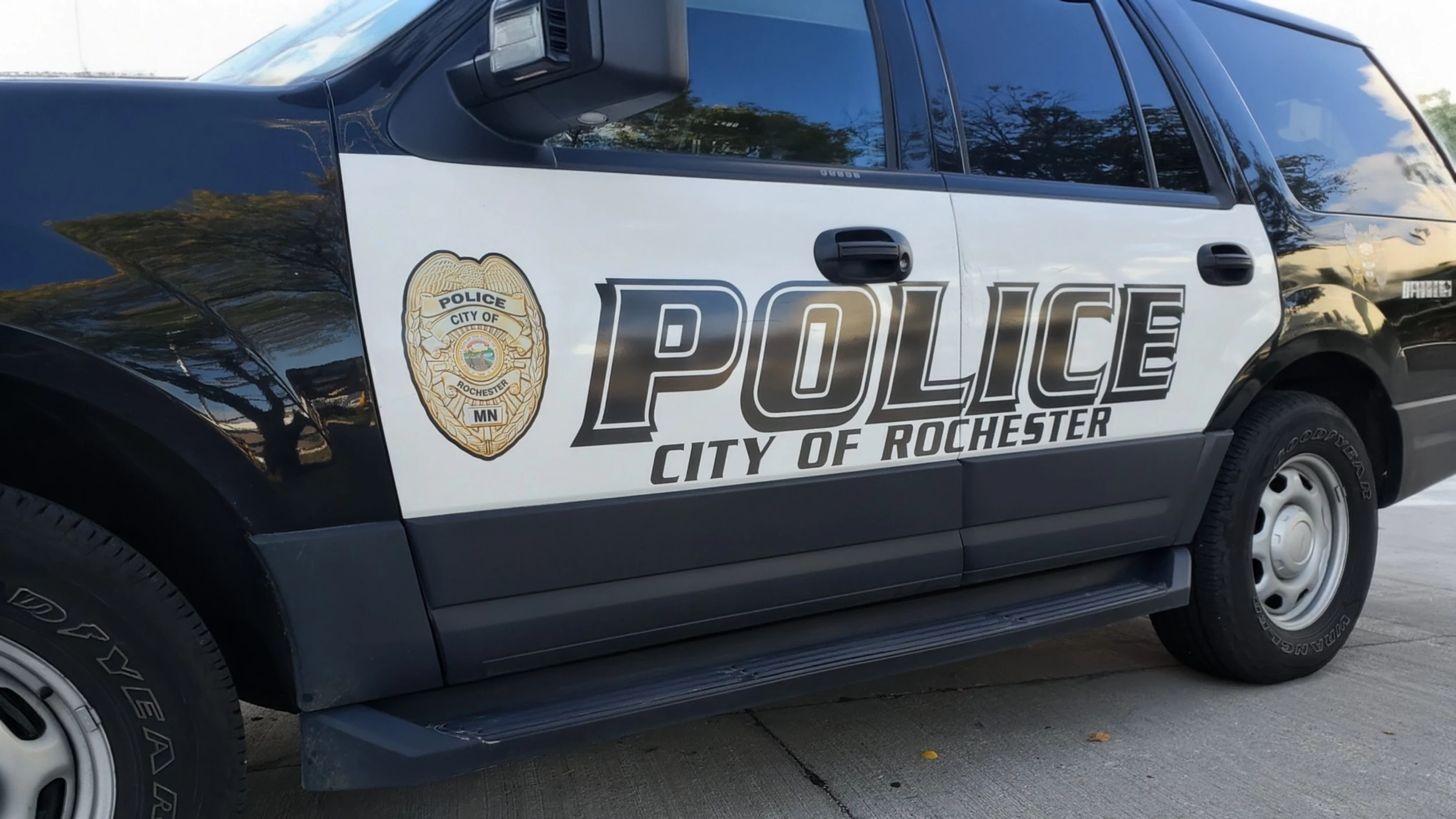
City of Rochester Police Auction: Guide & Tips
Understanding the City of Rochester Police Auction

If you are looking for a deal on a used vehicle, seized electronics, or miscellaneous government surplus, attending a city of rochester police auction can be a smart move. Local law enforcement agencies and municipal departments regularly clear out their inventory by auctioning off items no longer needed for official use, unclaimed property, or assets seized during criminal investigations.
However, buying items through a municipal or police auction is vastly different from shopping at a traditional used car dealership or retail store. Everything is sold 'as-is,' sales are generally final, and buyers must navigate specific rules regarding payment, removal, and registration. This guide breaks down everything you need to know to successfully participate and find value.
What Items Are Typically Available?
The inventory at a Rochester police and municipal auction varies significantly depending on the timing and the specific department clearing out storage. Generally, buyers will find inventory divided into a few distinct categories:
- Seized and Recovered Vehicles: Sedans, SUVs, trucks, and occasionally motorcycles recovered during investigations or impounded and never claimed by their legal owners.
- Municipal Surplus: Older fleet vehicles from the city or police department, maintenance equipment, tools, and office furniture.
- Confiscated Property: Miscellaneous personal property such as electronics, bicycles, tools, and jewelry that were recovered or seized and cleared for public sale.
Vehicles usually make up the vast majority of high-value items at these events, drawing the most attention from both independent mechanics and everyday drivers looking for affordable transportation.
Where and How Auctions Take Place
Gone are the days when every police department held a physical, live-bidding auction on a gravel lot behind the precinct. While some live events still occur, many municipalities partner with specialized online auction platforms to handle surplus property.
Online vs. Live Bidding
Depending on the specific department or the nature of the items being sold, auctions may be hosted online via platforms like Auctions International or PropertyRoom, or conducted in person at a designated city yard. Online auctions offer the convenience of browsing photos, reading descriptions, and placing bids over several days from your computer or phone. Live auctions, on the other hand, require you to be present on-site, register ahead of time, and make split-second decisions as the auctioneer runs through the lots.
Checking the Schedule
Because these auctions do not happen on a strict daily or weekly schedule, interested buyers must monitor local government announcements and municipal procurement pages. Sales are scheduled only when inventory accumulation warrants clearing out storage spaces.
Tips for Buying at a Police Auction

Participating in a government or police auction requires preparation to avoid costly mistakes. Because vehicles and goods come with zero warranties, a little strategy goes a long way.
1. Understand the 'As-Is' Rule
Every item sold at a police auction is strictly 'as-is, where-is.' This means you have no guarantee that a vehicle runs, that an electronic device works, or that all parts are present. Once your bid wins, you own the item and all of its hidden mechanical problems or cosmetic flaws.
2. Inspect Before You Bid
Whenever preview days are offered—whether physically walking a lot or carefully examining high-resolution photos and descriptions online—take full advantage of them. Look for signs of flood damage, structural rust, missing catalytic converters, or stripped interiors. If you are buying a car, bring a portable OBD2 scanner or a mechanic friend if inspections are permitted.
3. Factor in Additional Costs
Your winning bid is rarely the final price you will pay. Be sure to account for:
- Buyer's Premiums: Many auction platforms charge a percentage-based fee on top of your winning bid.
- Taxes and Documentation Fees: State and local sales taxes apply unless you hold a valid dealer resale certificate.
- Towing and Transport: If the vehicle is non-running, you must pay out of pocket for a tow truck or flatbed to haul it away within the mandated timeframe.
- Titling and Registration: Getting a municipal or police seizure title in New York can sometimes require extra paperwork, such as applying for a transferable registration or a court-ordered title, depending on the circumstances of the vehicle's seizure.
Payment and Removal Rules
Municipal auctions operate under strict operational timelines. If you win an item, you usually cannot leave it sitting in the auction yard for weeks. Departments need the space cleared quickly for the next batch of inventory.
Payment methods are also heavily regulated. Many online platforms and live auctioneers require payment via cash, cashier's check, certified funds, or major credit cards immediately following the close of the auction. Personal checks and standard financing are rarely accepted. Furthermore, failing to pick up your purchased vehicle or item within the designated window can result in daily storage fees or forfeiture of the item and your payment.
Conclusion
Navigating a city of rochester police auction can yield incredible bargains if you approach the process with caution, realistic expectations, and a clear budget. By doing your homework, understanding the hidden costs of repairs and titling, and respecting the strict payment and removal deadlines, you can successfully score a deal on surplus vehicles and seized goods.