Clearwave Fiber vs Xfinity: Which Is Better?
Introduction to Clearwave Fiber vs Xfinity
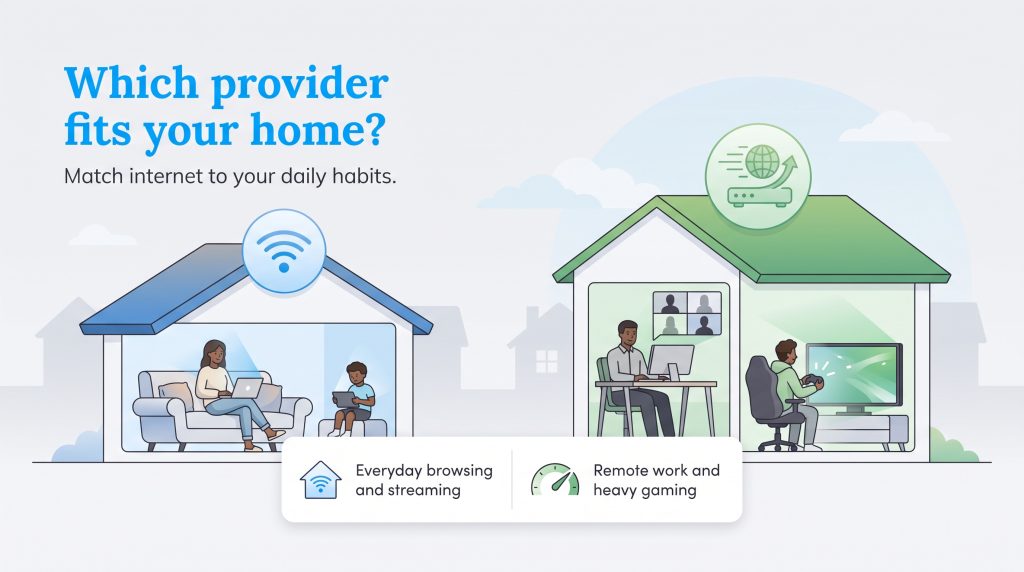
Choosing the right internet service provider comes down to balancing speed, reliability, and cost in your specific neighborhood. When comparing Clearwave Fiber vs Xfinity, you are looking at two very different technologies: a dedicated pure-fiber network versus a widely available hybrid fiber-coaxial cable network. Each provider has distinct advantages depending on your household's data needs.
Clearwave Fiber is an emerging force focusing heavily on delivering symmetrical multi-gigabit speeds directly to homes using fiber-optic lines. Xfinity, operated by Comcast, is the nation's largest cable provider, known for expansive coverage, bundled TV services, and robust performance, though it typically relies on traditional cable infrastructure for the final stretch to your home.
Network Technology and Reliability
The fundamental difference between these two providers lies in how they deliver data to your devices. Understanding this technology helps explain differences in performance, especially during peak usage hours.
Clearwave Fiber: Pure Fiber Performance
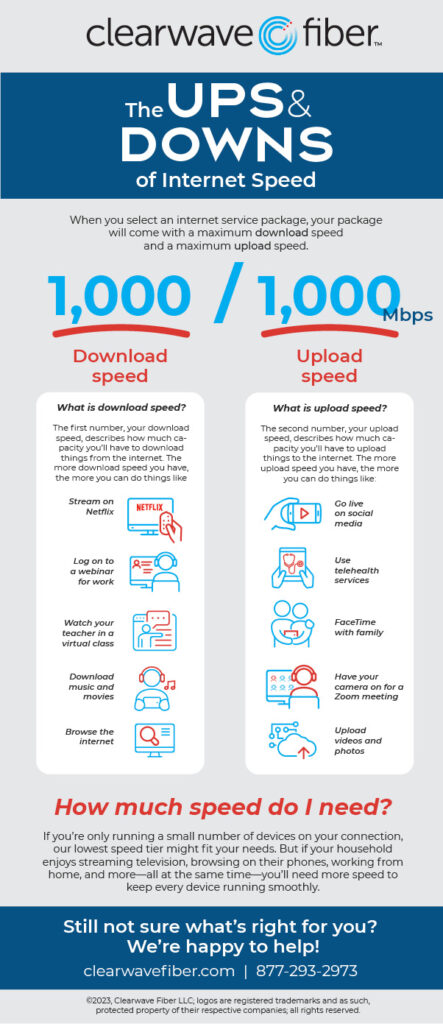
Clearwave utilizes Fiber-to-the-Home (FTTH) architecture. Light signals travel through glass strands, resulting in virtually no degradation over distance. Crucially, fiber provides symmetrical speeds. If you subscribe to a 1 Gig plan, your upload speeds are also 1,000 Mbps. This is a massive benefit for remote workers who upload large files, content creators, and competitive gamers.
Xfinity: Cable and Hybrid Infrastructure
Xfinity uses a hybrid fiber-coaxial (HFC) network. Fiber brings the signal into your neighborhood, but a traditional coaxial copper cable handles the final connection into your house. While Xfinity is fully capable of delivering extremely fast download speeds (often matching or exceeding fiber plans), its upload speeds are typically much slower—usually maxing out between 35 Mbps and 200 Mbps depending on the plan and whether you are in an upgraded 'Next Gen' service area.
Speed Options and Performance
Both providers offer tiers ranging from basic browsing speeds to ultra-fast multi-gigabit connections, but the experience of using those speeds differs.
- Clearwave Fiber: Typically offers plans starting around 100 Mbps or 300 Mbps, scaling up to 1 Gig and 2 Gig (and sometimes 5 Gig) symmetrical connections. Latency is exceptionally low, which prevents lag during real-time applications.
- Xfinity: Offers plans starting at 150 Mbps and scaling up to 1.2 Gbps or 2 Gbps for downloads. While downloads are lightning-fast, heavy households sharing large files or streaming simultaneously may notice the lower upload bandwidth constraints during peak evening hours.
Pricing, Contracts, and Hidden Costs
Monthly cost is often the deciding factor for consumers. Both providers have distinct pricing structures that you should review carefully before signing up.
Promotional Pricing vs. Standard Rates
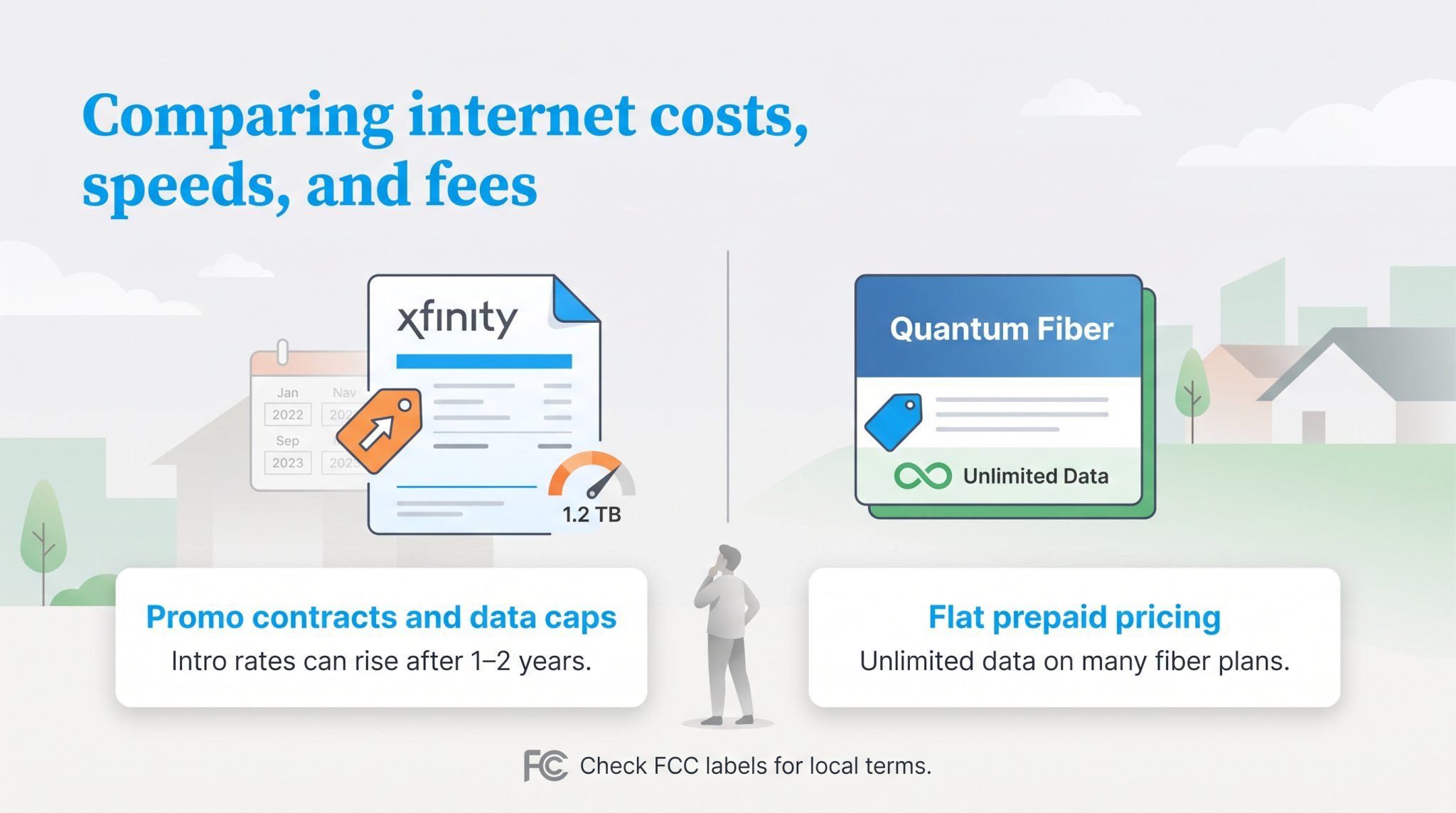
Xfinity is famous for aggressive introductory pricing that typically lasts for 12 or 24 months, after which your bill may jump significantly. They also frequently bundle mobile phone services (Xfinity Mobile) or television packages, which can lower your overall monthly utility spending if you utilize those services.
Clearwave Fiber tends to take a more straightforward approach with transparent, flat-rate pricing. They frequently market plans with no data caps and no annual contracts, meaning the price you see is closer to what you can expect to pay long-term without sudden promotional cliff-drops.
Data Caps and Equipment Fees
Data limits are a critical point of comparison:
- Clearwave Fiber: Does not enforce data caps on its residential plans. You can stream, game, and work from home as much as you want without worrying about overage fees.
- Xfinity: Imposes a 1.2 TB monthly data limit on most standard plans in many markets. If you exceed this cap, you are automatically billed for extra data blocks, unless you pay an extra monthly fee for unlimited data or rent their gateway equipment which sometimes includes unlimited data promos.
Availability and Footprint
Availability is ultimately the deciding factor because you can only buy what is wired to your address.
Xfinity has massive nationwide reach, servicing dozens of states across the US. If you move across town, chances are high that Xfinity is available at your new home.
Clearwave Fiber is a regional provider. While it is rapidly expanding and investing heavily in new fiber builds across specific states, its footprint is much smaller than Comcast's. You must check your specific zip code and street address to see if your neighborhood is currently wired for Clearwave.
Customer Service and User Experience
Customer satisfaction scores for both major cable companies and regional fiber providers tend to vary wildly by region. However, fiber providers generally score higher in customer satisfaction regarding connection drops. Because fiber is less susceptible to weather interference and electrical grid fluctuations, Clearwave customers typically experience fewer unexpected outages. Xfinity offers robust 24/7 digital support via their app, but dealing with customer retention departments when promotional rates expire is a common pain point for subscribers.
Final Verdict: Which Should You Choose?
To summarize the Clearwave Fiber vs Xfinity matchup, your choice should depend on what is available at your exact address and how you use the internet.
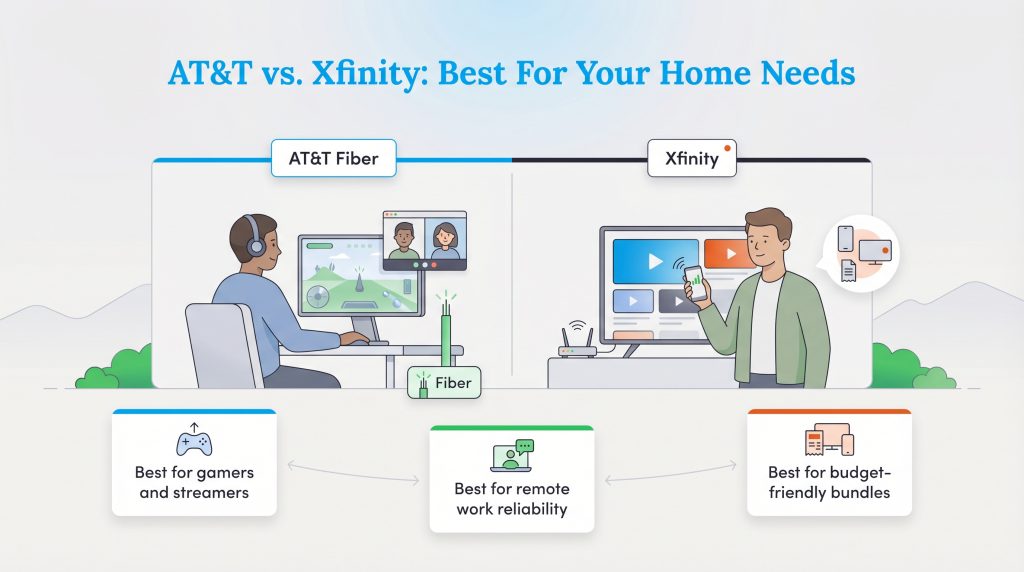
Choose Clearwave Fiber if it is available at your address, you work from home and need fast upload speeds, you hate data caps, and you prefer straightforward pricing without promotional expiration dates.
Choose Xfinity if you want access to bundled cable TV and mobile phone services, prefer a widely available provider that moves with you, or if fiber has not yet reached your specific street.