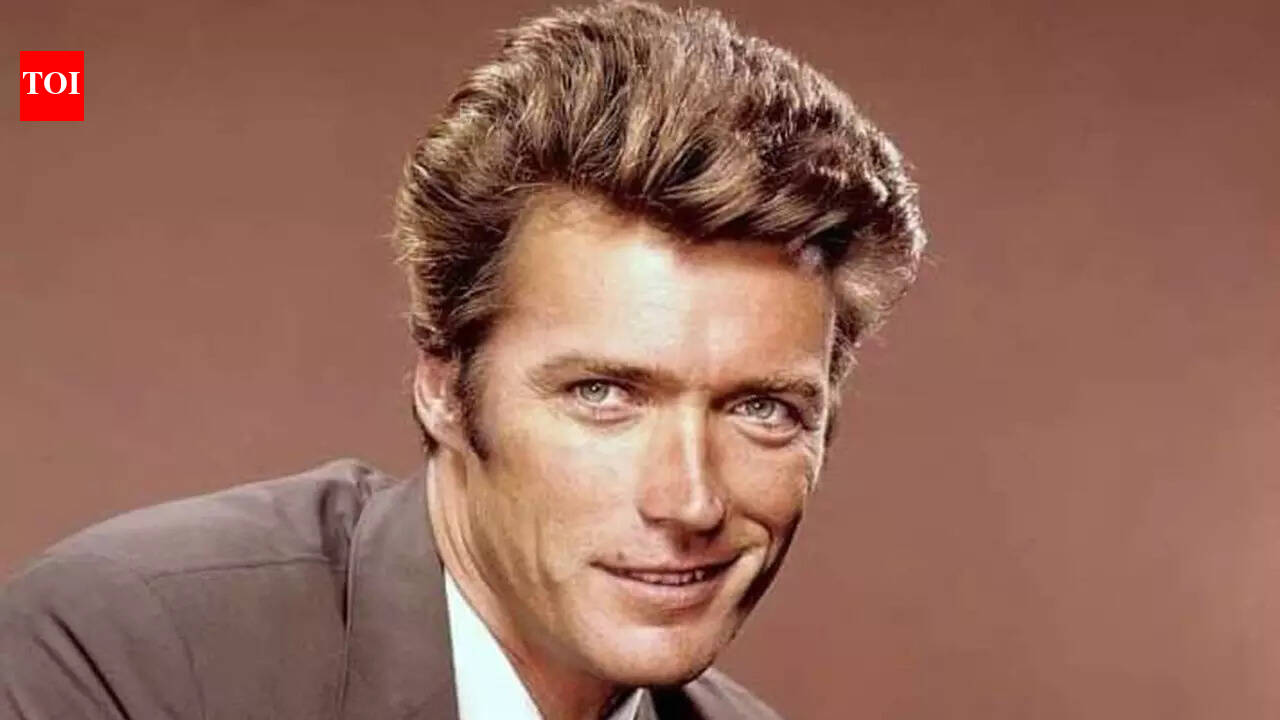
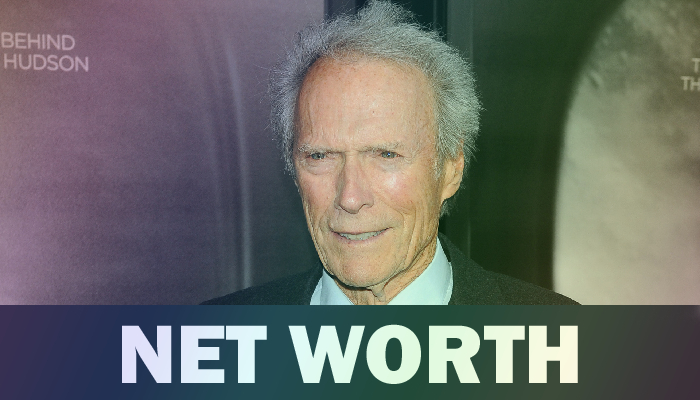
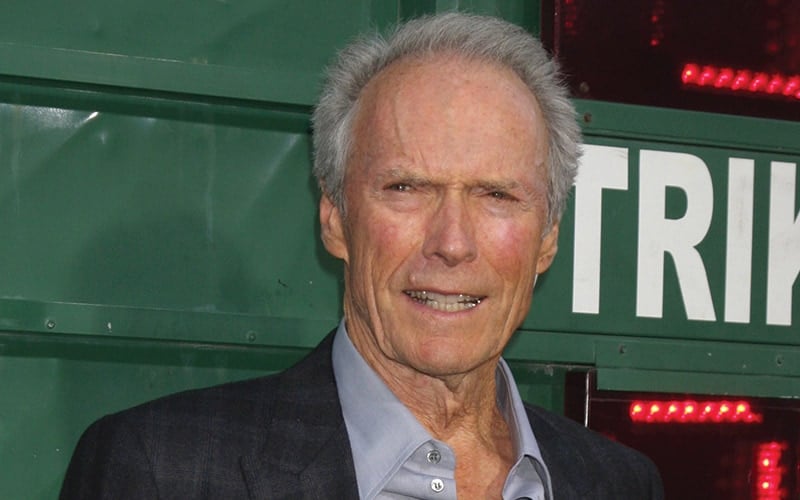
Clint Eastwood Net Worth: Billionaire or Myth?
Clint Eastwood Net Worth: Billionaire or Myth?
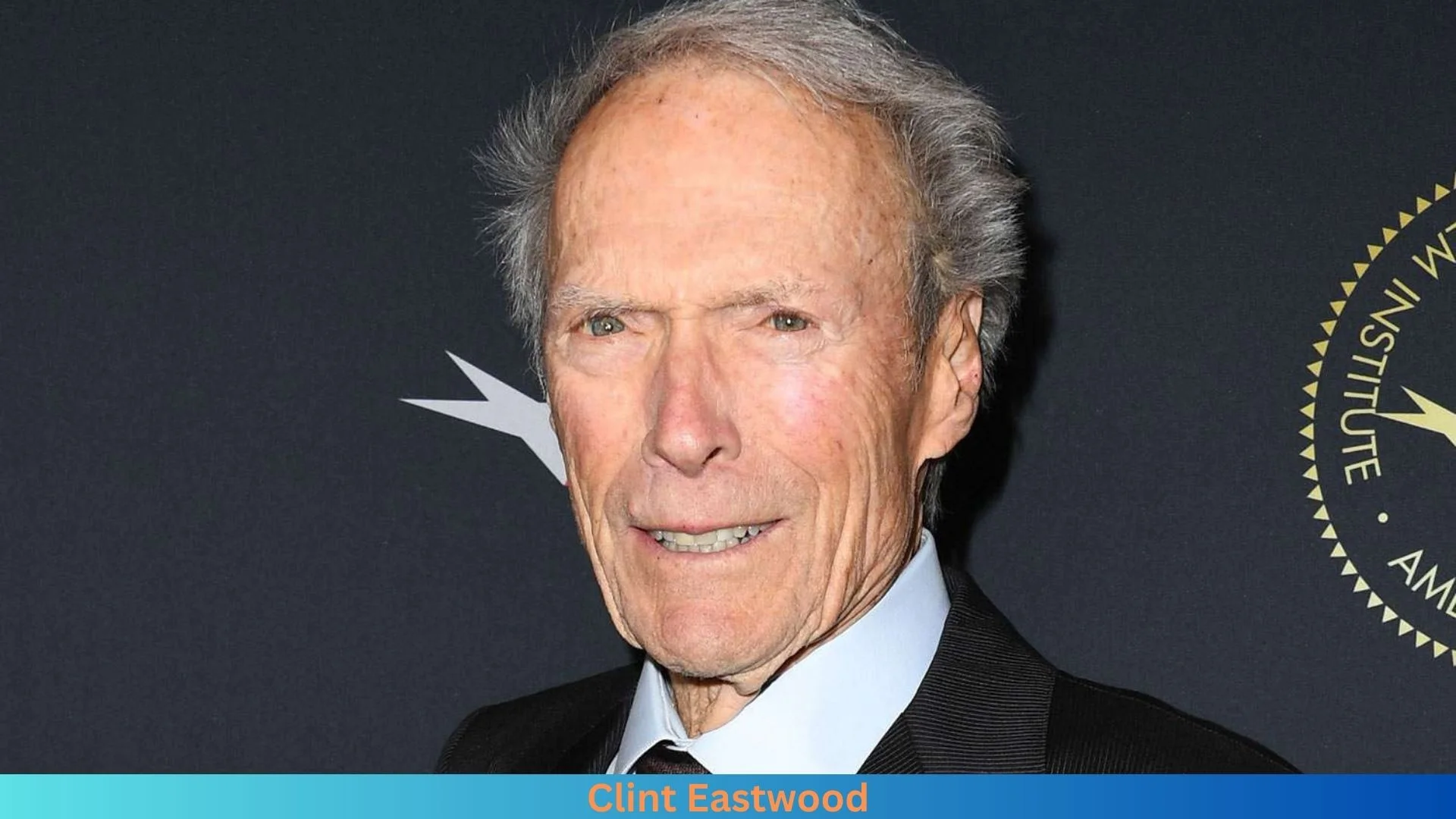
For decades, Clint Eastwood has remained a towering figure in American cinema. From his iconic days as the squinting Man with No Name in Sergio Leone’s Spaghetti Westerns to his Oscar-winning directorial work in later life, Eastwood represents a rare brand of enduring Hollywood longevity. Because of his legendary status and decades-long career, rumors frequently circulate online. Among the most persistent is the claim that the actor-director has quietly crossed the billionaire threshold. But when you strip away the tabloid speculation and look at the actual balance sheet, the truth about The Untold Story of Clint Eastwood’s Net Worth: Billionaire or Myth? becomes much more grounded—yet still remarkably impressive.
The True Scale of Clint Eastwood’s Wealth
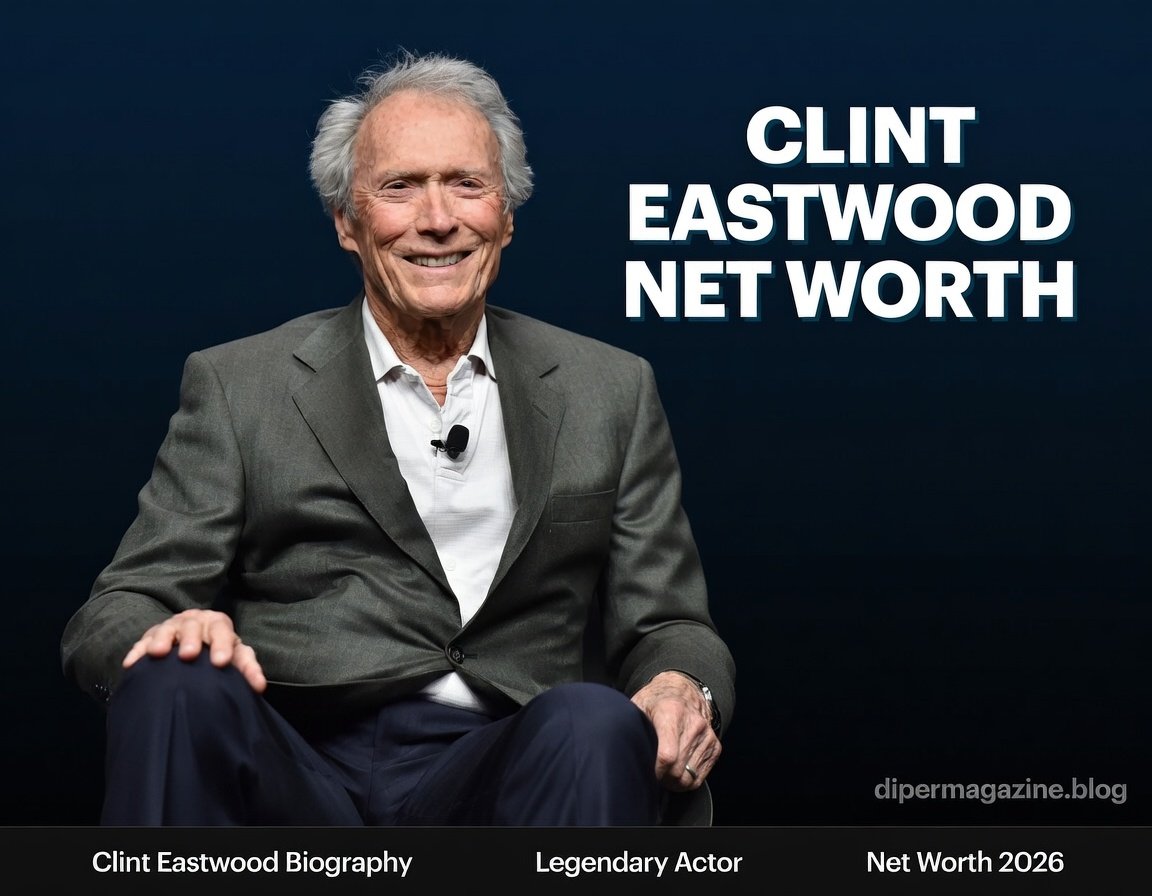
Financial estimators and industry insiders generally place Clint Eastwood’s net worth between $375 million and $400 million. While this makes him exceptionally wealthy by any standard, it falls well short of the billion-dollar mark.
To put things in perspective, Hollywood billionaires are an extremely exclusive club. Names like Tyler Perry, George Lucas, and Steven Spielberg reached that status through massive equity stakes in production studios, software companies, or unprecedented media syndication deals. Eastwood, conversely, built his fortune the old-fashioned way: through high-earning acting salaries, savvy backend deals on his directorial projects, and decades of smart real estate investments.
How Eastwood Built His Fortune
Clint Eastwood’s wealth is the result of a deliberate, multi-decade career strategy. Unlike many actors who peak and fade, Eastwood continuously reinvented himself, transitioning from a television cowboy into a bankable movie star, and finally into one of Hollywood's most reliable and cost-effective auteurs.
Early Career and The Dollar Trilogy Breakthrough
Eastwood’s path to financial independence started modestly. In the late 1950s and early 1960s, he earned $750 per week starring in the hit CBS television series Rawhide. While steady, it did not make him rich.
The turning point came when he traveled to Italy to star in A Fistful of Dollars (1964). Though he was paid a relatively modest $15,000 for the role, the film launched the global phenomenon of the Spaghetti Western. By the time he completed the third installment, The Good, the Bad and the Ugly, his market value had soared, setting the stage for his box-office dominance in the 1970s and 1980s with Warner Bros.
The Power of Malpaso Productions
One of the smartest business moves Eastwood ever made was establishing his own production company, Malpaso Productions, in 1967. By retaining ownership and partnering with Warner Bros., Eastwood ensured he received a massive cut of the backend profits from his films.
Owning Malpaso meant Eastwood wasn't just collecting a flat salary; he shared in the risk and reward of blockbusters like Dirty Harry, Any Which Way You Can, and later, critical darlings like Million Dollar Baby and Gran Torino. This production model generated tens of millions of dollars over the decades.
Real Estate and Other Business Ventures
A significant portion of Eastwood’s real estate portfolio and liquid wealth stems from his disciplined approach to land ownership, particularly in California.
- The Carmel-by-the-Sea Legacy: Eastwood famously served as the mayor of Carmel-by-the-Sea, California, in the late 1980s. He owns several properties in and around the area, including the historic Mission Ranch Hotel and Restaurant, which he purchased in 1986 and lovingly restored.
- California Ranches: Over the years, he has acquired vast acreage in Northern California, including sprawling ranch properties that offer privacy and long-term appreciation.
- The Tehama Golf Club: Eastwood developed a private golf course and residential community in Carmel Valley, adding another lucrative asset to his investment portfolio.
Why the Billionaire Rumors Started
The myth that Eastwood is a billionaire often stems from viral internet listicles and social media posts that conflate career gross earnings with personal net worth.
Over a career spanning more than 60 years, the films directed by or starring Clint Eastwood have grossed billions of dollars at the global box office. However, box office gross is revenue for the studios—not take-home pay for the artist. After accounting for production costs, marketing, theater cuts, and taxes, an actor-director's personal share is a fraction of that total box office figure.
Financial Habits and Frugal Living
Another reason people assume Eastwood is a multi-billionaire is his notoriously low-key lifestyle. Unlike modern celebrities who flaunt private jets and mega-yachts, Eastwood has long lived a relatively modest, work-focused life in Northern California.
He has never been driven by flashy consumerism. His focus has always remained on the creative process of filmmaking. By keeping his overhead low and avoiding the financial pitfalls that trap many stars, he has preserved his capital effectively.
Conclusion: A Legend Without the Billion-Dollar Tag
So, is Clint Eastwood a billionaire? The answer is a definitive no. But the myth takes nothing away from his extraordinary financial achievement. Amassing a $400 million fortune through art, hard work, independent production, and astute real estate investments is a monumental feat. Clint Eastwood remains a titan of cinema whose legacy is measured not just in box office numbers or a hypothetical billionaire status, but in a body of work that has defined American culture for generations.