CMU's Fall vs Spring Semester Schedules Compared
Deciding between or preparing for different terms at Carnegie Mellon University requires understanding how the academic calendar shapes student life. When evaluating CMU's fall vs spring semester schedules compared side-by-side, students quickly realize that each term offers a distinct rhythm, weather pattern, and social environment. While the academic rigor remains notoriously high year-round, the pacing and seasonal backdrop change the overall college experience significantly.

Academic Pacing and Calendar Breakdown
The academic year at Carnegie Mellon follows a traditional two-semester model, but the distribution of weeks and breaks creates unique challenges for students in both terms. Understanding these differences helps with course registration, internship planning, and workload management.
The Fall Semester Rhythm
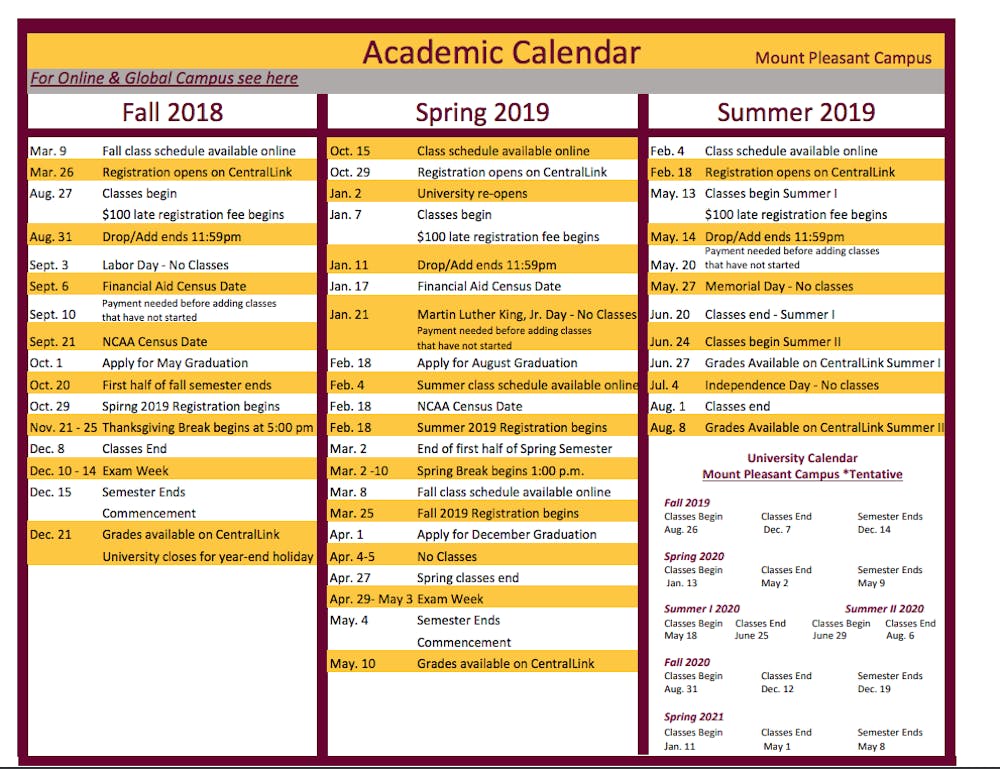
The fall term begins in late August, right as the Pittsburgh summer transitions into early autumn. This semester spans roughly 15 weeks of instruction, culminating in final exams in mid-December before a generous winter break.
- Start Date: Late August
- Major Breaks: Thanksgiving break (one week in late November)
- End Date: Mid-December
- Vibe: High energy, fresh starts, and heavy involvement in student organization recruitment.
The Spring Semester Rhythm
The spring term kicks off in mid-January, plunging students straight into the heart of Pittsburgh's winter weather. It runs for another 15 weeks through early May, followed by commencement.
- Start Date: Mid-January
- Major Breaks: Spring break (one week in March)
- End Date: Early May
- Vibe: Fast-paced, intense recruiting seasons, and a visible shift toward outdoor campus life as spring arrives.
Weather and Campus Life Impact
Pittsburgh's notorious climate plays a massive role in shaping student experiences throughout the academic year. The weather transition from fall to spring drastically alters how students utilize the campus and manage their well-being.
Fall: Crisp Air and Outdoor Energy
Fall at CMU starts with pleasant warmth and transitions into crisp, colorful autumn days. Students frequently study on the CUT (Carnegie Mellon University Mall) and enjoy outdoor campus events like Buggy exhibitions or Activities Fair setups. The psychological boost of sunshine during the first half of the semester helps students adjust to heavy workloads in programs like SCS (School of Computer Science) or Dietrich College.
Spring: The Pittsburgh Winter Challenge

Conversely, the spring semester begins during the coldest and gloomiest months of the year. January and February bring freezing temperatures, snow, and limited daylight. Students must navigate icy walks across campus between Doherty Hall and the Cohon University Center. However, morale drastically rebounds in April when the weather warms up, culminating in the beloved Spring Carnival tradition.
Recruiting, Internships, and Career Fairs
Career preparation is a cornerstone of the CMU experience, but career pipelines operate differently depending on the term.
Fall Recruiting Peak
The fall semester is the premier season for large-scale career fairs, particularly the StuQuery and major technical fairs. Tech giants, engineering firms, and financial institutions heavily recruit in the fall for full-time positions and summer internships. Students must balance midterms with resume drops and technical interview prep right as the semester gets underway.
Spring Follow-Ups and Summer Planning
While spring features secondary career fairs and smaller boutique networking events, its focus often shifts toward securing summer housing, finalizing internships, or planning undergraduate research. For graduating seniors, spring is a race to finish capstone projects and secure post-grad employment.
Tips for Surviving and Thriving in Both Terms
Adapting to CMU's rigorous environment requires different strategies for each semester:
- For Fall: Do not overcommit to student orgs in August. Pace yourself, because burnout in October can ruin a strong start. Make the most of natural daylight before the time change.
- For Spring: Combat seasonal affective disorder (SAD) by utilizing campus fitness facilities, getting outside during rare sunny winter days, and leaning on study groups to stay accountable during cold January stretches.
- For Both: Keep a close eye on the official academic calendar for drop/add deadlines, which arrive surprisingly fast given the intensity of CMU's quarter and semester timelines.
Conclusion
Ultimately, comparing CMU's fall and spring terms reveals two distinct halves of an intense academic journey. Fall offers vibrant weather and heavy career recruiting, while spring tests mental resilience through winter before rewarding students with Carnival and warmer days. Recognizing these differences allows you to strategize your workload, mental health, and career goals effectively all year round.