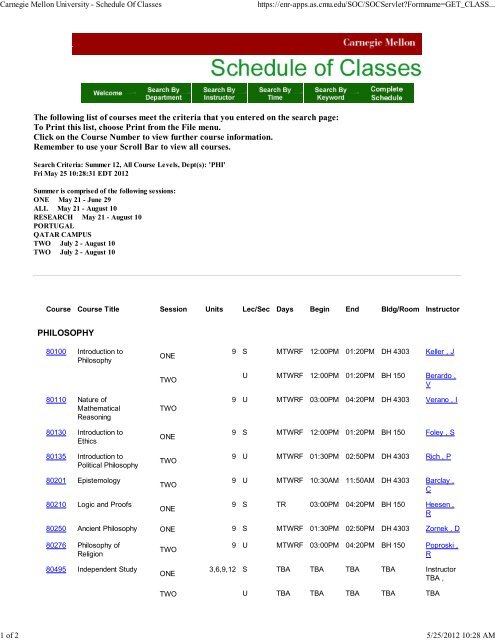
CMU Semester Schedule Cheat Sheet
Carnegie Mellon University is globally renowned for its rigorous academics, groundbreaking research, and notoriously fast-paced environment. Whether you are an incoming freshman trying to decode the jargon or a seasoned senior looking to optimize your course load, mastering the academic calendar is essential. To help you stay ahead of deadlines, this guide serves as The Ultimate Cheat Sheet for Carnegie Mellon's Semester-Based Academic Schedule, breaking down everything you need to know about semesters, mini-mesters, registration windows, and survival strategies.
Understanding the CMU Academic Calendar
Unlike institutions on a traditional quarter system or standard semester models that linger into late June, Carnegie Mellon operates on a tightly packed schedule designed to maximize productivity and professional preparation. The academic year is anchored by two primary semesters—Fall and Spring—each lasting approximately 15 weeks.
Fall Semester Breakdown
The fall term typically kicks off in late August, shortly after Orientation Week. Because classes start early, Labor Day arrives just as you are settling into your routine. Key milestones of the fall semester include:
- Mid-Semester Break: Usually scheduled in mid-October, giving students a brief four-day weekend to catch up on sleep, study for midterms, or visit home.
- Thanksgiving Break: A full week off in late November, providing a much-needed mental health pause before the final stretch.
- Reading Days and Finals: Classes conclude in early December, followed by designated reading days and a week of final exams, wrapping up just before the winter holidays begin.
Spring Semester Breakdown
The spring term begins in mid-January following a generous winter break. The winter weather in Pittsburgh can be bracing, making this semester feel like an endurance test. Key dates to watch for include:
- Spring Break: Typically falling in early or mid-March, this week-long pause aligns with mid-terms and offers a chance to thaw out or secure spring internships.
- Spring Carnival: A unique CMU tradition held in mid-April. Classes are canceled or shortened for Buggy races, booth building, and campus-wide celebrations.
- Commencement: Final exams wrap up in early May, culminating in graduation ceremonies usually held the second week of May.
The Mini-Semester Advantage (Mini-Fall and Mini-Spring)
One of the most distinctive features of Carnegie Mellon's scheduling system is the inclusion of "mini-semesters" (Mini-1, Mini-2, Mini-A, and Mini-B). These are accelerated 7-week courses packed into half a semester.
Minis are a fantastic way to knock out general education requirements, explore a niche elective outside your major, or balance your heavy technical course load. However, because they move at twice the speed of a normal class, falling behind by even one week can be fatal to your grade. Always check the add/drop deadlines for minis, as they occur much earlier than full-semester deadlines.
Registration Hacks and Key Deadlines
Course registration at CMU uses a priority appointment system based on class standing. Securing your preferred classes requires strategy, vigilance, and a backup plan.
Important Deadlines to Mark in Your Calendar
- Registration Appointment Window: Usually opens in November for the upcoming Spring semester and April for the upcoming Fall semester. Meet with your academic advisor well in advance to lift your registration hold.
- Course Add/Drop Deadline: Typically falls two weeks into the semester for full-length courses, but is restricted to the first week for mini-courses.
- Pass/No Pass Option Deadline: CMU allows students to take certain classes on a Pass/No Pass grading basis, but you must declare this status usually by the mid-semester mark.
- Course Withdrawal Deadline: If a class is going off the rails, you can withdraw with a 'W' grade typically up to the tenth week of the semester.
Tips for Surviving and Thriving on the CMU Schedule
Surviving Carnegie Mellon's intense academic pace requires more than just raw intelligence; it requires structured time management and self-care.
Build a Buffer Zone
CMU professors often release dense syllabi filled with project milestones, problem sets, and exams. Do not wait for due dates to sneak up on you. Use tools like Google Calendar or Notion at the start of every semester to map out every single assignment, exam, and mini-project deadline.
Leverage Office Hours Early
When you are dealing with rigorous computer science, engineering, or design curricula, concepts build on each other rapidly. If a homework assignment takes you more than two hours to crack, head straight to your professor's or Teaching Assistant's (TA) office hours. Catching gaps in your understanding during week two prevents a domino effect during midterms.
Protect Your Mental Health
The semester schedule moves fast, and burnout is a real threat on campus. Take advantage of CMU's wellness resources, carve out time for student organizations or recreational sports, and prioritize sleep. Balancing the heavy academic load with sustainable habits is the true secret to long-term success at Carnegie Mellon.