Cobb County Civil Cases: A Guide to the Process
Navigating the legal system can feel overwhelming, especially when you are involved in a dispute that requires judicial intervention. If you are dealing with a non-criminal legal dispute in Georgia, understanding how Cobb County civil cases proceed from filing to resolution is essential. Whether you are pursuing a breach of contract claim, handling a property dispute, or seeking compensation for a personal injury, knowing what to expect helps reduce uncertainty.

Civil law deals with private rights, obligations, and disputes between individuals, businesses, or government entities. Unlike criminal cases, which are prosecuted by the state to punish unlawful behavior, civil cases focus on resolving disputes and making the injured party whole, typically through financial compensation or specific court orders.
Understanding Cobb County Civil Cases and Jurisdiction
Before filing a lawsuit or responding to one, it is vital to understand which court has the authority to hear your matter. In Cobb County, civil cases are primarily handled by two different trial courts, depending on the nature and financial value of the dispute:
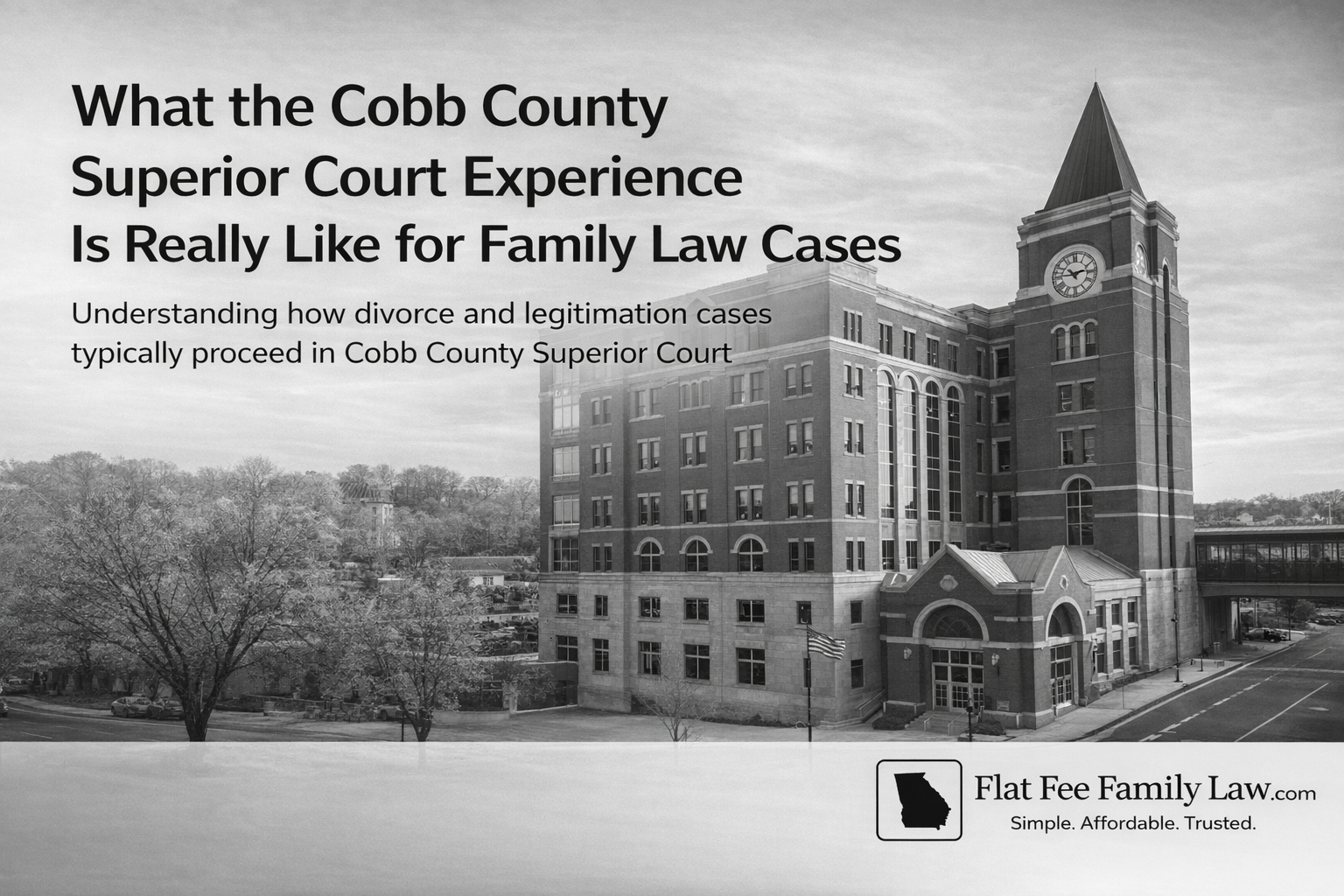
- Cobb County Superior Court: This court handles general civil litigation, including major contract disputes, equity cases, adoptions, divorces, and title to land. There is generally no minimum monetary threshold for superior court civil claims.
- Cobb County State Court: State court shares concurrent jurisdiction with the superior court over many civil matters, such as personal injury lawsuits and property damage claims, but typically handles cases with lower monetary stakes or specific statutory claims.
Magistrate Court (often referred to as small claims court) handles civil claims involving amounts of $15,000 or less. This venue provides a faster, less formal process where parties frequently represent themselves without attorneys.
The Civil Litigation Process Step-by-Step
Most formal civil lawsuits follow a predictable lifecycle governed by the Georgia Civil Practice Act and the local rules of the Cobb County Judicial Circuit. While every case is unique, standard civil litigation generally moves through several distinct phases.
1. Filing the Complaint and Service of Process
A civil case officially begins when the plaintiff (the party initiating the lawsuit) files a document called a Complaint with the Cobb County Clerk of Superior or State Court. The complaint outlines the factual basis of the dispute, the legal claims being made, and the remedy or damages sought.
Once the complaint is filed and a case number is assigned, the plaintiff must formally notify the defendant through a process known as "service of process." This typically involves a county sheriff's deputy or a private process server delivering a copy of the summons and complaint directly to the defendant.
2. The Answer and Defenses
After being served, the defendant generally has 30 days to file a written Answer. In this document, the defendant responds to each allegation in the complaint, admits or denies liability, and may assert affirmative defenses or file counterclaims against the plaintiff. If the defendant fails to file a timely answer, the plaintiff may seek a default judgment.
3. The Discovery Phase
Discovery is often the longest phase of Cobb County civil cases. It is a formal pre-trial procedure where both sides exchange information and evidence. Key components of discovery include:
- Interrogatories: Written questions that the opposing party must answer under oath.
- Requests for Production of Documents: Demands for relevant paperwork, contracts, emails, photographs, or financial records.
- Depositions: Out-of-court oral testimonies given under oath by parties and witnesses, recorded by a court reporter.
4. Mediation and Alternative Dispute Resolution (ADR)
The Cobb County court system strongly encourages parties to resolve their differences outside the courtroom. In many civil cases, the court will issue an order requiring the parties to attend mediation before a trial can be scheduled.
During mediation, a neutral third-party mediator helps the litigants negotiate a mutually agreeable settlement. If mediation is successful, the case is resolved without the expense and stress of a trial. If it fails, the case moves closer to trial.
5. Pre-Trial Motions and Trial
Prior to trial, attorneys may file various motions, such as motions for summary judgment, asking the judge to rule in their favor on specific issues or the entire case because there are no material facts in dispute.
If the case is not settled or dismissed, it proceeds to trial. Depending on the nature of the case, the trial may be a bench trial (decided solely by a judge) or a jury trial (decided by a panel of Cobb County citizens). During the trial, both sides present evidence, examine witnesses, and make closing arguments before a final judgment is rendered.
How to Access Cobb County Civil Court Records
Public transparency allows citizens to track active litigation or research past rulings. If you need to check the status of a specific lawsuit, you can access records through official channels:
- Online Portals: The Cobb County Clerk of Superior Court provides an online case search portal where users can look up civil dockets using case numbers, party names, or attorney names.
- In-Person Research: Public computer terminals are available at the Cobb County courthouse for reviewing court files and electronic documents. Note that certain sensitive family law or juvenile records may be restricted by law.
Tips for Navigating Your Legal Matter
Successfully managing a civil dispute requires organization, adherence to deadlines, and professional guidance. Keep the following best practices in mind:
- Respect Deadlines: Missing court-mandated deadlines or failing to respond to discovery requests can result in severe penalties, including the dismissal of your case or financial sanctions.
- Keep Detailed Records: Maintain a dedicated folder containing all correspondence, contracts, receipts, and court filings related to your case.
- Consult Legal Counsel: While individuals have the legal right to represent themselves (pro se), civil procedure and evidentiary rules are complex. Partnering with an experienced Cobb County civil litigation attorney greatly increases your chances of achieving a favorable outcome.
By understanding the procedural steps, maintaining awareness of local court requirements, and preparing thoroughly, you can navigate Cobb County civil cases with confidence and clarity.


