Coldest Peninsula in Egypt: Winter Weather Guide
When most people think of Egypt, they picture scorching sun-drenched pyramids, golden sand dunes, and the warm waters of the Red Sea. However, Egypt's geography is surprisingly diverse, featuring high-altitude mountain ranges that experience genuinely freezing temperatures during the winter months. If you are looking for the coldest peninsula in Egypt, you have to look toward the northeast corner of the country, where geography, elevation, and desert winds create a unique and surprisingly chilly microclimate.
Unveiling the Coldest Peninsula in Egypt
The title for the coldest peninsula in Egypt undoubtedly belongs to the Sinai Peninsula. Flanked by the Gulf of Suez to the west and the Gulf of Aqaba to the east, Sinai acts as a massive land bridge connecting Africa and Asia. While coastal resort towns like Sharm el-Sheikh and Dahab remain warm and inviting year-round, the interior and southern regions of the peninsula tell a completely different meteorological story.
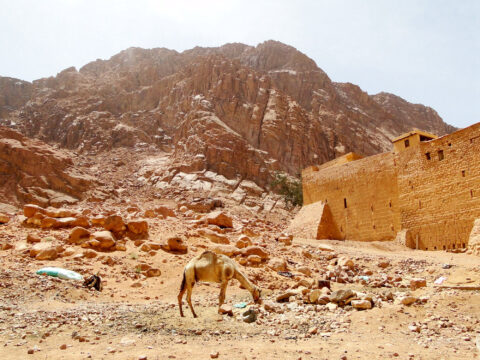
The key driver behind Sinai's frigid temperatures is its dramatic topography. Unlike the flat expanses of the Western Desert, the Sinai Peninsula is dominated by rugged, jagged mountains made of granite and sandstone. As elevation increases, temperatures drop significantly, creating alpine conditions that defy the traditional stereotype of Egyptian weather.
High-Altitude Freezing: Mount Sinai and Mount Catherine
The interior of the Sinai Peninsula is home to Egypt's highest peaks, which are the epicenter of the region's freezing winters.
Mount Catherine (Jabal Katherine)
Standing at an impressive 2,629 meters (8,625 feet) above sea level, Mount Catherine is the highest mountain in all of Egypt. Because of its extreme elevation, it is consistently the coldest spot in the country during the winter months. Nighttime temperatures here routinely plummet well below freezing, often dropping to -5°C (23°F) or even lower between December and February.
Video: Why Egypt Owns The Sinai Peninsula

Mount Sinai (Jabal Musa)
Just a short distance away is the famous Mount Sinai, standing at 2,285 meters (7,497 feet). Thousands of pilgrims and hikers scale this peak to watch the sunrise, but few anticipate how biting the cold can be. Tour operators constantly advise visitors attempting the pre-dawn hike to pack heavy winter gear—including thermal layers, gloves, wool hats, and windbreakers—because the summit winds are notoriously freezing.
Winter Weather Patterns on the Sinai Peninsula
Understanding why this region gets so cold requires a look at regional weather dynamics. Winter on the Sinai Peninsula typically spans from November to February, bringing distinct atmospheric conditions:
- Nighttime Thermal Drops: Because Sinai is primarily a desert environment with very low humidity, the air lacks the moisture needed to trap heat after sunset. Once the sun goes down, heat radiates rapidly back into the atmosphere, causing temperatures to plummet drastically.
- Occasional Snowfall: It may surprise many travelers, but snow is not uncommon on the highest peaks of the Sinai Peninsula. Every few years, a strong winter storm sweeps in from the Mediterranean or the Levant, blanketing Mount Catherine and the surrounding Saint Catherine protectorate in a layer of white powder.
- Wind Chill Factors: The exposed mountain ridges experience fierce, biting winds that make ambient temperatures feel several degrees colder than they actually are.
What to Pack for a Trip to Sinai in Winter
If you plan to visit the interior or the mountains of the coldest peninsula in Egypt during the winter, standard vacation clothes will not suffice. Proper preparation is essential for a safe and comfortable trip.
- Layered Clothing: Bring moisture-wicking base layers, insulating fleece or wool mid-layers, and a windproof, waterproof outer shell.
- Proper Footwear: Sturdy hiking boots are a must, especially if you encounter icy patches on the trails around Mount Catherine or Mount Sinai.
- Accessories: Do not forget thermal gloves, a warm beanie, a thick scarf or neck gaiter, and UV-blocking sunglasses to combat glare from high-altitude sunlight.
- Sleeping Gear: If you are camping or staying in traditional Bedouin mountain camps, ensure you have a sub-zero rated sleeping bag.
Conclusion
While Egypt is globally celebrated for its eternal sunshine and warm desert climate, the Sinai Peninsula proves that the country holds geographical surprises. As the coldest peninsula in Egypt, Sinai offers dramatic landscapes where high-altitude peaks experience freezing nights, winter frost, and occasional snowstorms. For travelers willing to trade the beach for the mountains, exploring winter in Sinai reveals a rugged, majestic side of Egypt few tourists ever get to see.


