Collier County Florida Arrest Records: Search Guide
Whether you are conducting a personal background check, verifying an individual's legal status, or checking on a loved one, locating Collier County Florida arrest records is a straightforward process. Thanks to Florida's robust public records laws, most law enforcement logs, jail bookings, and criminal court dockets are accessible to the public.

However, navigating local government databases can be confusing if you do not know which agency manages the specific record you need. An arrest record documents an initial detention, while court records detail what happened afterward. This guide explains how to find arrest logs, jail rosters, and official criminal court records in Collier County.
Where to Find Collier County Florida Arrest Records Online
In Collier County, arrest and criminal information is primarily maintained by two separate entities: the Collier County Sheriff's Office (CCSO), which handles policing and jail administration, and the Collier County Clerk of the Circuit Court and Comptroller, which maintains judicial records.
1. Collier County Sheriff's Office (CCSO) Arrest Search
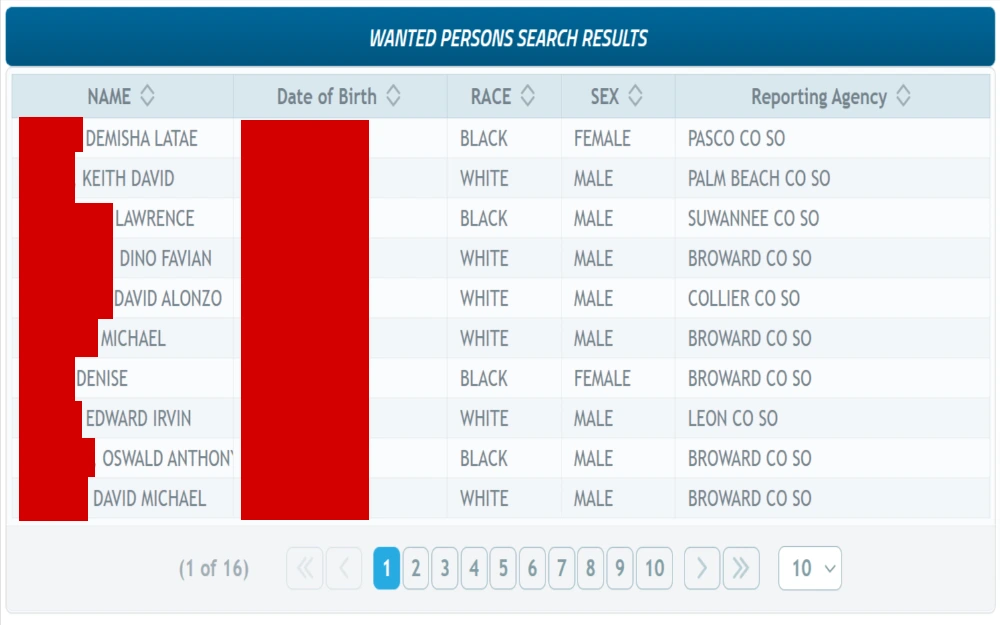
The Collier County Sheriff's Office provides a free, publicly accessible online arrest search database. This is the fastest way to verify if someone was recently taken into custody within the county, including arrests made in Naples, Marco Island, Everglades City, and unincorporated areas.
Through the official CCSO portal, users can look up:
- Recent Bookings: View individuals booked into custody within the last 24, 48, or 72 hours.
- Subject Search: Search by first and last name, date of birth, or booking date.
- Arrest Details: View the specific arrest date, booking number, arresting officer or agency, charges filed, and assigned bail/bond amount.
To use this tool, visit the official Collier County Sheriff's Office website and navigate to the "Arrest Search" or "Inmate Search" section. Keep in mind that an arrest entry on this tool only reflects an accusation and booking; it does not indicate a conviction.
2. Collier County Clerk of the Circuit Court Records
If you need to know the ultimate outcome of an arrest—such as formal charges filed by the State Attorney, plea agreements, court dates, or sentencing—the Sheriff's arrest log will not suffice. You must check the records held by the Clerk of the Circuit Court.
The Clerk's Office maintains case files for all misdemeanor, felony, and traffic offenses processed through the Collier County court system. Using their online public access portal (often referred to as Court Records Search), you can search by:
- Defendant name (Last Name, First Name)
- Court Case Number
- Uniform Case Identifier (UCN)
- Citation Number (for traffic-related arrests)
Once you locate the case docket, you can review filed motions, charging documents (Information or Indictment), minutes from hearings, and final judgment or sentencing orders.
Collier County Jail Facilities and Inmate Inquiries
Individuals arrested in Collier County are processed and detained through facilities managed by the CCSO Corrections Division. The county operates two primary detention facilities:
- Naples Jail Center (NJC): Located at 3347 Tamiami Trail East, Building J, Naples, FL 34112. This is the primary intake, processing, and maximum-security housing facility in the county.
- Immokalee Jail Center (IJC): Located at 302 Stockade Road, Immokalee, FL 34142. This facility primarily houses medium- and minimum-security inmates, as well as those assigned to specific county work and vocational programs.
If you cannot locate an individual online, you can call the Naples Jail Center central booking desk directly to verify an inmate's current custody status, determine visitation hours, or obtain bail bond information.
Understanding the Florida Sunshine Law and Record Visibility
Florida is renowned for its broad public transparency framework, governed primarily by Chapter 119 of the Florida Statutes, commonly known as the "Sunshine Law." Under this statute, all government documents—including arrest reports, booking photos, and court dockets—are presumed open to inspection unless a specific statutory exemption applies.
What Is Included in a Standard Arrest Record?
When you pull an official arrest log or booking sheet in Collier County, it typically contains:
- The suspect's full legal name, alias, and physical description (height, weight, eye color, hair color).
- Booking date and timestamp.
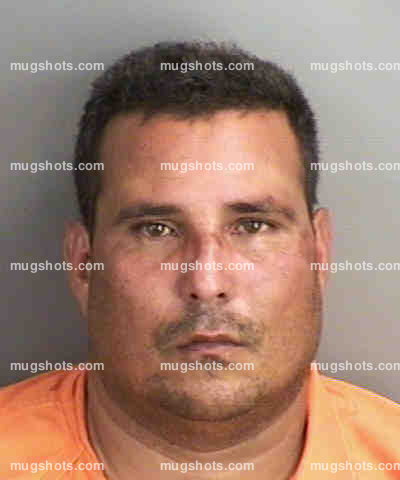
- Mugshot (booking photograph).
- Statute citations and plain-language descriptions of the alleged offenses.
- Bond amount and bond status (e.g., Cash, Surety, or No Bond Allowed).
- Next scheduled court appearance and assigned courtroom division.
Statutory Exemptions and Sealed Information
While access is broad, certain records or specific details are shielded from the public by law:
- Juvenile Records: Florida Statute § 985.04 protects the confidentiality of juvenile arrest records, unless the minor was charged with an offense that would be a felony if committed by an adult, or if they were transferred to adult court.
- Victim Information (Marsy's Law): Under Article I, Section 16 of the Florida Constitution, crime victims can request that identifying details and locational data be redacted from public criminal records.
- Active Criminal Investigations: Law enforcement may withhold investigative notes, undercover intelligence, or surveillance materials while an investigation remains open.
- Sealed and Expunged Records: Cases that have been lawfully sealed or expunged by a court order are removed from public search databases.
How to Request Certified Copies of Arrest and Court Records
While viewing records online is sufficient for personal research, official purposes—such as court filings, employment clearances, visa applications, or military enlistment—often require certified copies.
Obtaining Records from the Clerk's Office
To request a certified copy of a criminal judgment, disposition, or docket entry, contact the Collier County Clerk of Courts Criminal Department. You can submit requests in person at the Collier County Courthouse (3315 Tamiami Trail East, Naples, FL) or place an order online or by mail. A statutory search fee and per-page certification fee generally apply.
Obtaining Police Reports from CCSO
If you need the detailed Narrative Arrest Report or Incident Report written by the arresting deputy, submit a public records request to the CCSO Central Records Bureau. Requests can be submitted via the CCSO web portal, by email, or in person at any CCSO district substation. Simple records are often provided electronically at no cost, though labor fees may apply for extensive historical research.
Statewide Criminal History Searches (FDLE)
Local county searches only reveal arrests that occurred inside Collier County's borders. If an individual has a legal history in neighboring counties (such as Lee, Hendry, or Broward), those offenses will not appear in the CCSO database.
For a statewide criminal profile, you can conduct a search through the Florida Department of Law Enforcement (FDLE). The FDLE Computerized Criminal History (CCH) database allows anyone to run a statewide name-based background check for a nominal state fee. This search aggregates arrest and disposition data reported by county sheriffs and clerk offices across all 67 Florida counties.
Expunging or Sealing an Arrest Record in Collier County
If an arrest occurred in Collier County that did not result in a conviction (such as charges being dismissed, dropped via nolle prosequi, or an acquittal), the record remains visible to the public until legally sealed or expunged.
The process requires first obtaining a Certificate of Eligibility from the FDLE, followed by filing a formal petition in the Collier County Circuit Court. If granted by a judge, the Clerk and the Sheriff's Office will remove the arrest history from public view, restoring the individual's legal standing under Florida law.