Collin County Property Tax Guide: Rates & Protests
Navigating property ownership in North Texas means coming to terms with local taxation. If you own a home or land north of Dallas, understanding collin property tax is essential for effective household budgeting. Because Texas has no state income tax, local entities—such as cities, school districts, and counties—rely heavily on real estate assessments to fund public services, infrastructure, and education.

While property taxes can feel unpredictable, knowing how valuations work, which exemptions apply to you, and how to challenge an unfair appraisal can save you thousands of dollars every year. This guide breaks down everything you need to know about property taxes in Collin County.
How Collin Property Tax is Calculated
Your annual property tax bill is not determined by a single entity. Instead, it is the result of two main factors: the assessed value of your property and the combined tax rates set by local taxing jurisdictions.
The process generally unfolds in a few key stages:
- Property Valuation: Every year, the Collin Central Appraisal District (CCAD) determines the market value of your property as of January 1.
- Exemptions Applied: Any legal exemptions you qualify for (such as the homestead exemption) are subtracted from your market value to create your taxable value.
- Tax Rate Adoption: Local taxing units—including cities, school districts, counties, and special districts—adopt their individual tax rates in the late summer or early fall.
- Tax Bill Issuance: The Collin County Tax Assessor-Collector combines these rates and sends out bills in October, with payments due by January 31 of the following year.
For example, if your home has a taxable value of $400,000 and your total combined tax rate is 2%, your annual property tax bill will be $8,000.
Key Exemptions to Lower Your Tax Bill
One of the best ways to reduce your collin property tax burden is by filing for all eligible property tax exemptions. Exemptions remove a portion of your property's value from taxation, directly lowering what you owe.
The General Residence Homestead Exemption
If you own your home and it is your primary residence on January 1, you likely qualify for a homestead exemption. The most significant benefit of this exemption is the school district homestead exemption, along with a mandatory 10% appraisal cap. This cap ensures that the assessed value of your homestead for tax purposes cannot increase by more than 10% in a single year, shielding you from wild spikes in the real estate market.
Special Exemptions
Collin County also offers valuable exemptions for specific groups of residents:
- Over-65 Exemption: Homeowners aged 65 and older receive additional exemptions and a tax ceiling (freeze) on school district taxes, meaning those specific taxes will not increase beyond the frozen amount as long as you live in the home.
- Disabled Persons Exemption: Similar to the over-65 exemption, this provides tax relief and potential school tax freezes for qualifying individuals.
- Disabled Veterans Exemptions: Texas offers sliding-scale property tax exemptions for veterans with service-connected disabilities, ranging from partial exemptions to a complete 100% tax waiver for qualifying disabled veterans and their surviving spouses.
The Collin Property Tax Protest Process
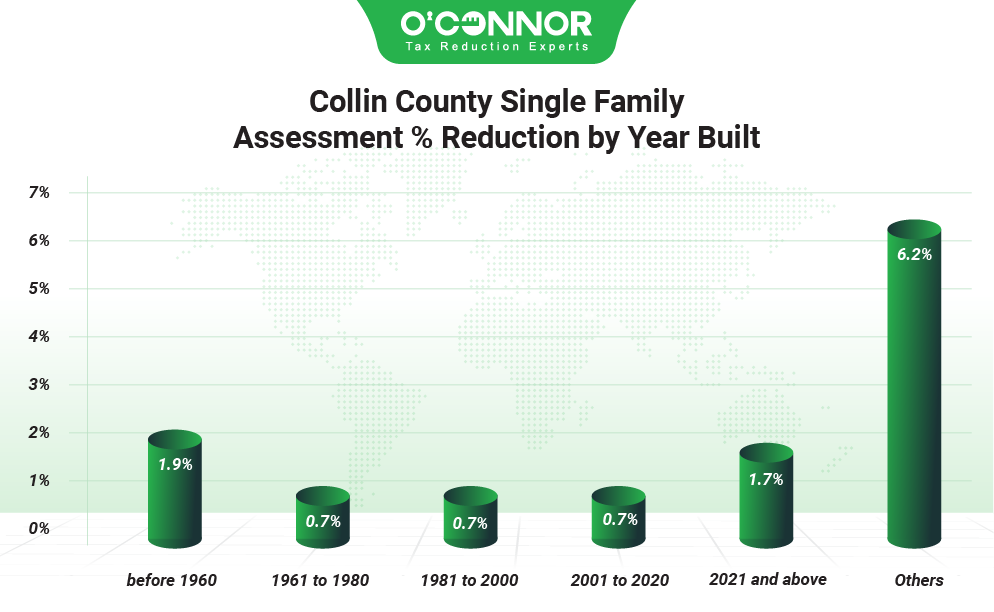
If you receive your Notice of Appraised Value from the CCAD and believe the valuation is higher than true market value, you have the legal right to protest. Every property owner has the opportunity to challenge their assessment, and many successfully lower their taxes without hiring an attorney.
Step 1: File Your Notice of Protest
The deadline to file your protest is usually May 15, or 30 days after the appraisal district mailed your notice—whichever is later. You can file online through the CCAD portal, which is the fastest and most convenient method. Simply check the boxes indicating why you are protesting, such as "incorrect market value" or "unequal appraisal compared with other properties."
Step 2: Gather Evidence
To win a reduction, you need objective data. Gather the following evidence to support your case:
- Recent sales prices of comparable homes in your immediate neighborhood (comps) sold around January 1.
- Photographs of any structural damage, deferred maintenance, or needed repairs that negatively impact your home's value.
- Estimates from contractors for major repairs, such as a foundation issue or roof replacement.
- Evidence of unequal appraisal, showing that similar homes nearby are assessed at a significantly lower price per square foot.
Step 3: Informal Settlement
Before your formal hearing, CCAD typically offers an informal settlement conference. You will speak with an appraiser who will review your evidence. If you both agree on a reduced valuation, the process ends right there, saving you time and securing your tax savings.
Step 4: Formal Appraisal Review Board (ARB) Hearing
If you cannot reach an agreement during the informal review, your case will go before the Appraisal Review Board. This is a panel of local citizens who act as an independent jury. You will present your evidence, the district will present theirs, and the board will make a final binding decision on your property’s value.
Important Deadlines to Remember
Staying organized is critical when managing your collin property tax obligations. Missing a deadline can forfeit your right to lower your taxes or claim vital exemptions. Keep these dates on your calendar:
- January 1: Valuation date (the condition and market value of your property on this day set the tax stage for the year).
- April–May: CCAD mails Notices of Appraised Value.
- May 15: Standard deadline to file a property tax protest.
- October: Tax bills are officially mailed out by the Collin County Tax Assessor-Collector.
- January 31: Final deadline to pay your property taxes without incurring steep interest and penalties.
By understanding how assessments are generated, securing your homestead exemptions early, and actively participating in the annual protest process, you can keep your property tax liability under control.