Colorado eDiscovery: Rules, Costs & Best Practices
Navigating electronic discovery requires a precise understanding of both federal mandates and state-specific court rules. When managing litigation in the Centennial State, mastering ediscovery colorado processes is essential for legal teams aiming to control costs, meet strict deadlines, and avoid severe sanctions. Whether you are handling a complex commercial dispute in Denver District Court or a federal action in the U.S. District Court for the District of Colorado, modern electronic discovery demands a strategic approach from preservation to production.
Understanding Colorado eDiscovery Rules
Colorado civil procedure heavily emphasizes cooperation, proportionality, and early disclosure. Unlike jurisdictions where discovery is used primarily as a weapon of attrition, Colorado courts expect parties to work together to streamline the exchange of electronically stored information (ESI).
Colorado Rules of Civil Procedure (C.R.C.P.)
Under C.R.C.P. Rule 16 and Rule 26, parties involved in state court litigation must address the discovery of ESI early in the litigation lifecycle. Rule 26(b)(1) limits discovery based on proportionality, mirroring federal principles. Key considerations under Colorado rules include:
-
accessibility of ESI, particularly from legacy systems or archived backups;
the burden and expense of proposed discovery relative to the actual needs of the case;
the amount in controversy and the importance of the issues at stake; and
agreements on the format of production (TIFF, native files, or searchable PDFs).
Federal Court Standards
For cases litigated in federal court within the state, the Federal Rules of Civil Procedure (FRCP)—specifically Rules 26(f), 34, and 37(e)—govern the process. Attorneys must be well-versed in federal preservation duties, especially regarding the potential loss of ESI and the application of curative or punitive measures under Rule 37(e).
Key Phases of the Colorado eDiscovery Workflow
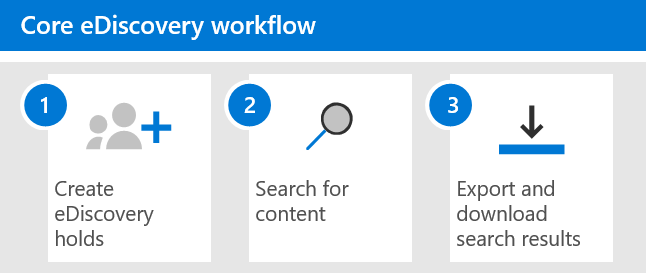
An effective ediscovery workflow ensures that data is handled defensibly while minimizing unnecessary expenses. The standard lifecycle includes several critical milestones:
1. Information Governance and Legal Holds
The duty to preserve ESI is triggered the moment litigation is reasonably anticipated. In Colorado, failing to issue a timely, comprehensive legal hold can lead to spoliation claims. Organizations should map their data architecture—identifying emails, text messages, collaboration tools like Microsoft Teams or Slack, and cloud storage—to ensure custodians preserve relevant information.
2. Collection and Culling

Once custodians and data sources are identified, forensic or self-service collection must be performed defensibly. Colorado litigators frequently rely on targeted culling strategies—such as date ranges, custodian filters, and keyword search terms—to reduce the volume of data before review, thereby containing overall project costs.
3. Document Review and Analysis
Review is typically the most expensive phase of any litigation. Legal teams operating in Colorado increasingly leverage advanced review technologies to accelerate this step:
-
Technology-Assisted Review (TAR) and Continuous Active Learning (CAL) to prioritize responsive documents;
concept clustering and email threading to review conversations in context rather than disparate fragments; and
predictive coding to quickly surface hot documents and privilege logs.
4. Production
Producing ESI according to mutually agreed-upon specifications prevents costly motion practice. Parties should stipulate to metadata fields to be included (e.g., Author, Date Created, Native Link) and the handling of confidential or privileged materials.
Managing Costs and Proportionality
Controlling costs is a primary concern for general counsel and outside law firms alike. Colorado courts take proportionality seriously; judges are often receptive to motions or stipulations that limit burdensome ESI requests.
To keep budgets manageable, legal teams should engage in robust Rule 16 or Rule 26(f) conferences. Establishing clear protocols early regarding the scope of custodians, the number of search terms, and cost-shifting for inaccessible data can save clients tens of thousands of dollars. Additionally, adopting a phased discovery approach—where high-priority custodians are reviewed first—allows parties to evaluate settlement options before incurring massive review expenses.
Choosing the Right eDiscovery Partner in Colorado
Selecting a qualified litigation support provider or forensic vendor is critical for complex matters. When evaluating local or national ediscovery providers servicing Colorado, consider the following criteria:
-
Data Security and Certifications: Ensure the vendor maintains SOC 2 compliance, ISO certifications, and secure data transfer protocols.
Local Presence: Having a provider familiar with Colorado court expectations and local federal magistrate practices can be advantageous.
Technology Stack: Look for platforms like Relativity, Everlaw, or Logikcull that offer robust analytics and scalable review environments.
Expertise and Defensibility: Forensic examiners should be certified and prepared to provide expert declarations or testimony if collection methods are challenged.<
Conclusion
Mastering ediscovery colorado requirements requires a blend of technological proficiency, strategic foresight, and strict adherence to local court rules. By prioritizing early cooperation, leveraging proportionality arguments, and utilizing advanced review analytics, legal professionals can successfully navigate ESI challenges while protecting their clients' bottom line.