Colorado Unemployment Scams: What Claimants Must Know
Navigating the state's job insurance system can be stressful enough without having to worry about malicious actors trying to steal your identity or funds. If you are currently out of work or filing for weekly assistance, Colorado unemployment benefit claimants beware of these scams currently targeting the state's workforce. Fraudsters continuously develop sophisticated tactics to exploit individuals who rely on the Colorado Department of Labor and Employment (CDLE) for financial support.

Understanding how these schemes operate is your first line of defense. By familiarizing yourself with common red flags, secure login protocols, and official communication channels, you can safeguard your benefits and personal information.
Common Scams Targeting CDLE Claimants
Cybercriminals use various methods to trick unsuspecting claimants into handing over sensitive data, such as their Social Security numbers, banking details, and MyUI+ login credentials. Recognizing these specific threats can prevent catastrophic financial losses.
1. Phishing Text Messages and Emails
One of the most prevalent threats involves fraudulent text messages and emails that appear to come directly from the CDLE. These messages often create a false sense of urgency, claiming that your account has been locked, your benefits are suspended, or there is a problem with your direct deposit.
- The Trap: The message includes a link directing you to a polished replica of the official MyUI+ login portal.
- The Reality: Once you enter your credentials on the fake site, scammers capture your username, password, and personal data to hijack your real account and redirect your payments.
2. Imposter Websites and Search Engine Traps
Scammers frequently buy sponsored search engine ads or create lookalike domains designed to mimic official Colorado government websites. When desperate claimants search for how to file a claim or reset a password, they may click on these unauthorized links.
These imposter sites look remarkably authentic, often featuring state seals and official-sounding language. However, any information entered into these portals goes directly to criminal enterprises rather than state administrators.
3. Social Media and Messaging App Schemes
Fraudsters also operate on platforms like Facebook, Instagram, and WhatsApp. They may pose as CDLE representatives, customer service agents, or helpful community members who claim they can "expedite" your claim or help you secure extra grant money for a small upfront fee.
Legitimate state agencies will never reach out to you via social media direct messages to handle your personal unemployment claim or ask for payment to process benefits.
Red Flags to Watch For

Spotting a scam before it does damage requires a healthy dose of skepticism. Keep an eye out for these universal warning signs:
- Urgent or threatening language: Threats that your benefits will be immediately canceled unless you click a link or provide information.
- Unofficial web addresses: CDLE URLs will always end in .state.co.us or colorado.gov/cdle. Be wary of sites ending in .com, .org, .net, or unfamiliar international domains.
- Requests for payment: The CDLE never charges fees to file a claim, process payments, or unlock an account. Anyone asking for gift cards, cryptocurrency, or wire transfers is a scammer.
- Generic greetings: Official state communications usually address you by name and reference specific details about your claim history rather than generic greetings like "Dear Claimant."
How to Protect Your Colorado Unemployment Account
Proactive security measures can significantly reduce your risk of becoming a victim of unemployment fraud. Implement these best practices immediately:
- Bookmark the Official Site: Never rely on search engines to find the login page. Bookmark the official MyUI+ portal directly in your web browser.
- Enable Multi-Factor Authentication (MFA): If the system offers enhanced security features like multi-factor authentication, turn them on. This adds a crucial barrier even if a scammer manages to guess your password.
- Protect Your Social Security Number: Never share your SSN over unsecured channels, text messages, or with anyone who contacts you out of the blue.
- Monitor Your Bank Accounts: Check your bank statements and debit card balances regularly. Report any unfamiliar transactions or missing deposits immediately.
What to Do If You Fall Victim
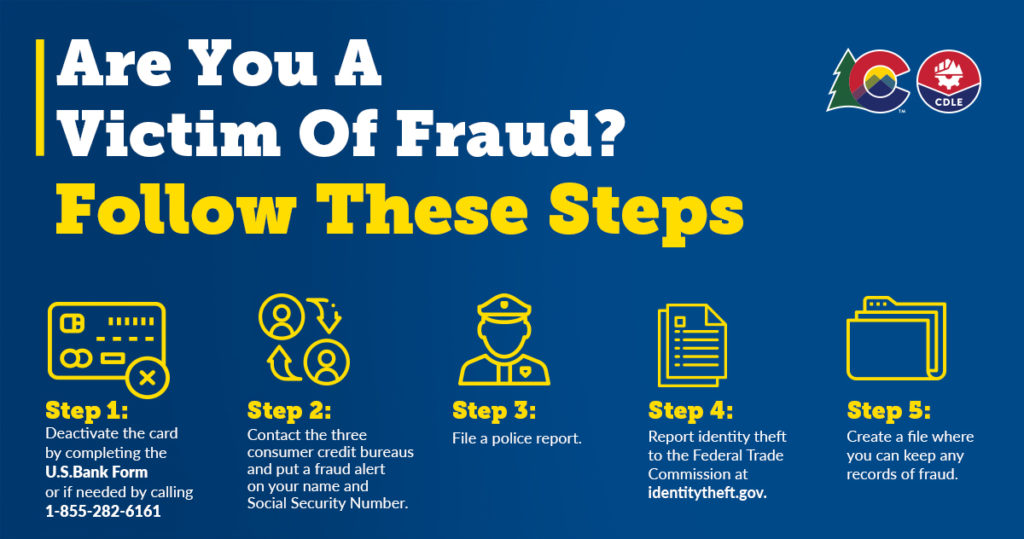
If you suspect your account has been compromised, or if you believe you have already fallen victim to a CDLE imposter scam, swift action is essential to limit the damage.
Report to the CDLE
Immediately notify the Colorado Department of Labor and Employment by filing an official fraud report through their secure online fraud reporting tool on their official website. This alerts state investigators to freeze compromised claims and halt unauthorized payouts.
Secure Your Financial Accounts
Contact your bank or financial institution right away if your direct deposit information was altered. Request a freeze on your accounts or ask for new account numbers and debit cards to cut off unauthorized access.
Freeze Your Credit
Because unemployment scams often involve identity theft, contact the three major credit bureaus—Equifax, Experian, and TransUnion—to place a security freeze or fraud alert on your credit report. This prevents scammers from opening new credit lines, loans, or utility accounts in your name.
Report to Law Enforcement
File a report with your local police department and submit a complaint to the IdentityTheft.gov website managed by the Federal Trade Commission (FTC). Having an official paper trail is crucial for recovering stolen identity elements and disputing fraudulent financial activity.