Commercial Electrician Jobs: Salary, Duties & Career Guide
Finding stable, high-paying work in the trades often leads skilled professionals toward commercial electrician jobs. Unlike residential electrical work, which focuses primarily on single-family homes and simple apartment wiring, commercial electrical work involves large-scale power distribution, complex blueprints, and advanced automation systems in office buildings, retail centers, hospitals, and industrial plants.

If you are exploring a career path in the electrical industry or looking to transition from residential to commercial settings, understanding the job market, daily responsibilities, and qualification requirements is essential for your success.
What Does a Commercial Electrician Do?
Commercial electricians install, maintain, and repair electrical systems in commercial and industrial buildings. Because these structures draw significantly more power than homes, the systems are much more complex and heavily regulated by commercial building codes.
Daily responsibilities typically include:
- Reading and interpreting architectural and electrical blueprints, schematics, and technical diagrams.
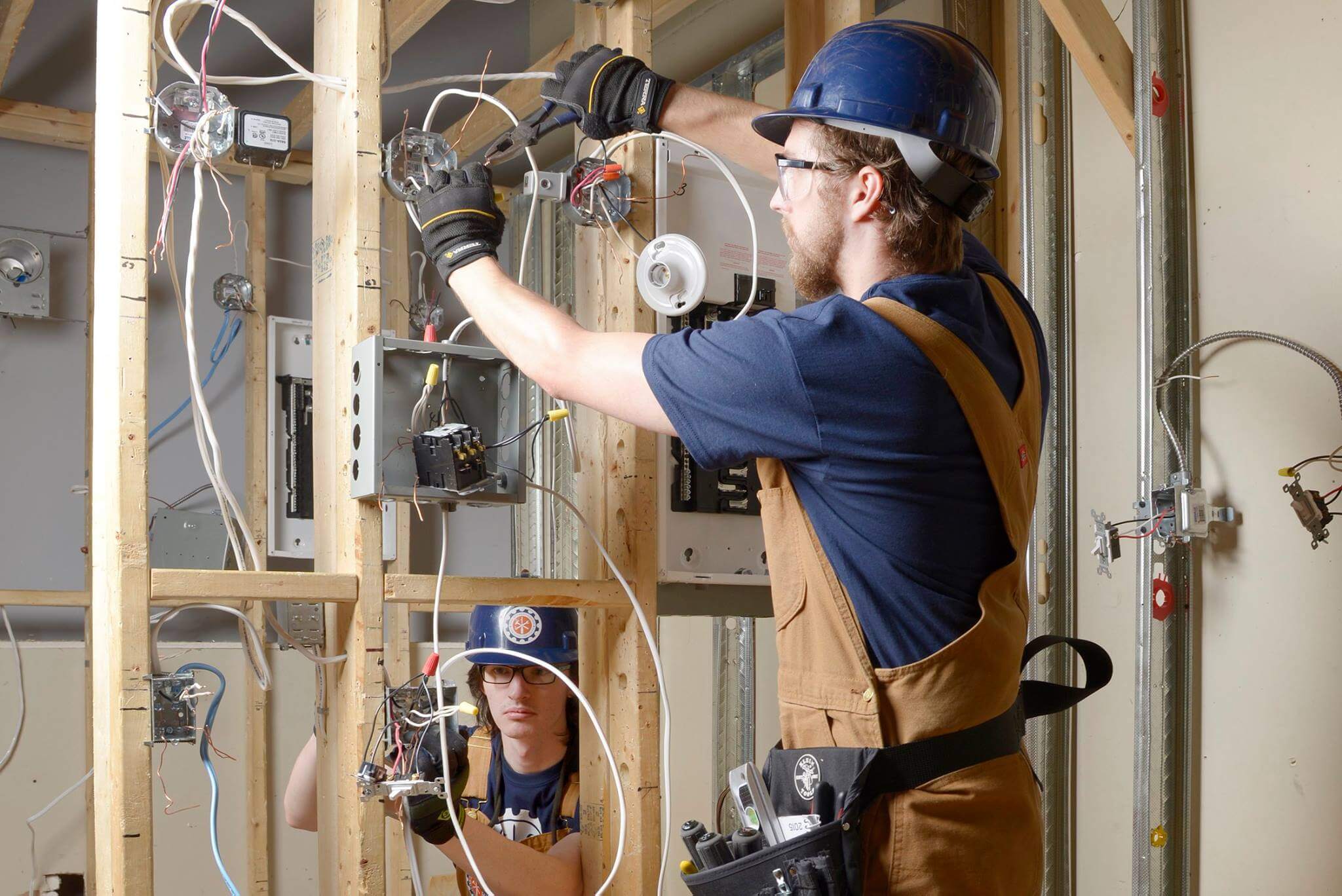
- Installing conduit, wiring, circuit breaker panels, transformers, and switchgear.
- Running high-voltage power lines and setting up temporary power for active construction sites.
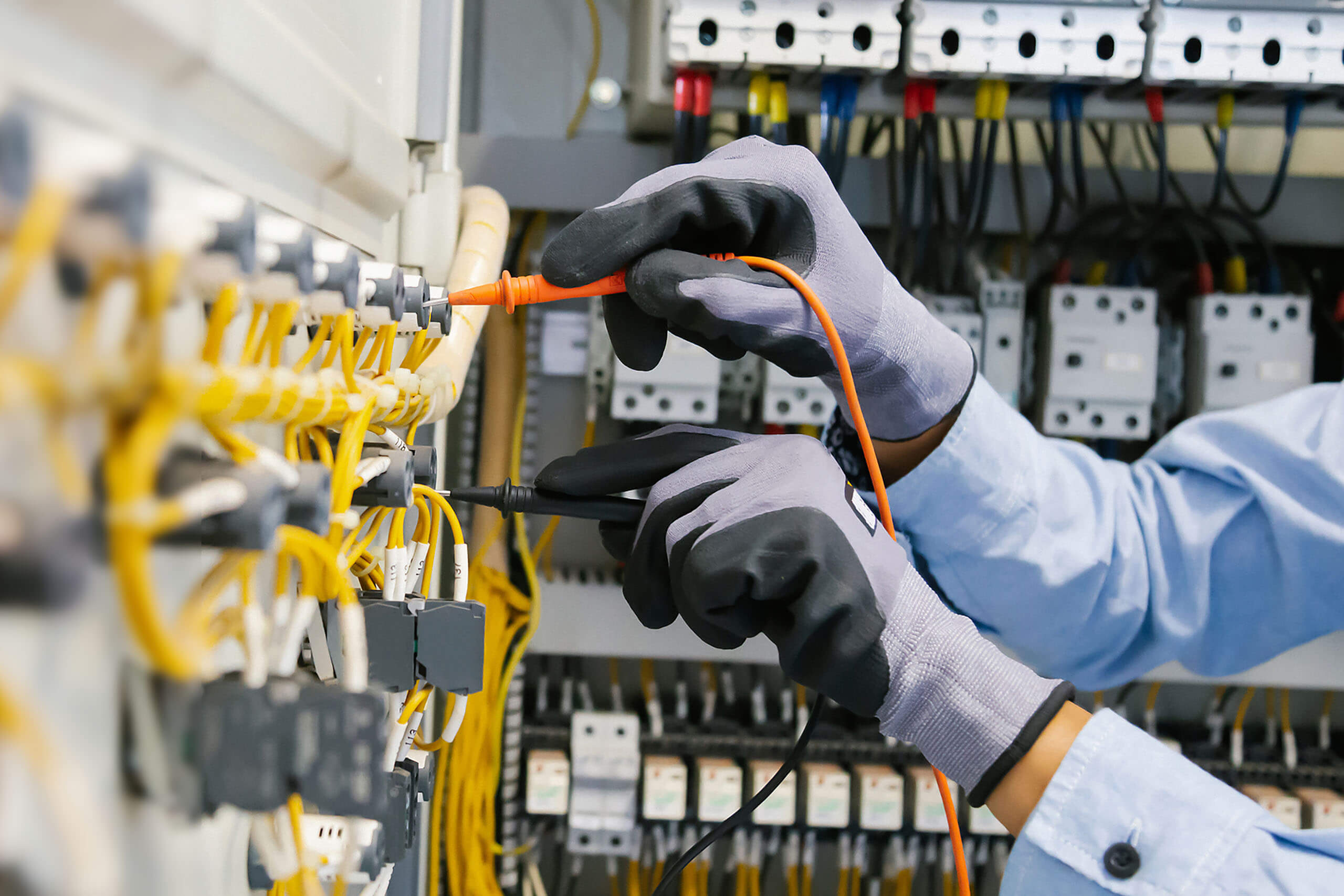
- Troubleshooting complex electrical malfunctions using multimeters, circuit testers, and oscilloscopes.
- Performing routine preventative maintenance on commercial lighting, security systems, and HVAC controls.
- Ensuring all work strictly complies with the National Electrical Code (NEC) and local building regulations.
Core Skills and Qualifications Required
Landing competitive commercial electrical roles requires a blend of physical stamina, technical aptitude, and formal training. Employers look for candidates who possess specific foundational credentials.
Apprenticeships and Education
Almost all commercial electricians start as apprentices. An electrical apprenticeship combines 4 to 5 years of paid on-the-job training (typically around 8,000 hours) with classroom instruction (roughly 144 to 180 hours per year). You can enter an apprenticeship through:

- Union programs sponsored by the International Brotherhood of Electrical Workers (IBEW) and the National Electrical Contractors Association (NECA).
- Non-union programs through organizations like Associated Builders and Contractors (ABC).
- Trade school programs that culminate in an electrical technology certificate or diploma.
Licensing and Certification
Every state and many local municipalities require electricians to be licensed. The standard progression moves from apprentice to journeyman electrician, and finally to master electrician. To advance, you must pass a comprehensive exam covering the NEC, electrical theory, and local safety codes.
Additionally, specialized commercial roles may require OSHA safety certifications (such as OSHA 10 or OSHA 30) and training in low-voltage data cabling, fire alarm systems, or programmable logic controllers (PLCs).
Salary and Job Outlook
Commercial electrical work is generally more lucrative than residential work due to the scale and complexity of the projects. According to the U.S. Bureau of Labor Statistics (BLS), the median annual wage for electricians is over $60,000, with commercial and industrial specialists earning significantly more—often ranging from $75,000 to well over $100,000 per year when factoring in overtime and prevailing wage projects.
The job outlook is exceptionally strong. Driven by the expansion of commercial infrastructure, renewable energy integration, and the constant need to upgrade aging building systems, employment for electricians is projected to grow faster than the average for all occupations over the next decade.
How to Find and Land Top Electrical Roles
Securing the best positions requires a strategic approach to your job search and professional development.
- Build a Specialized Resume: Highlight your experience with commercial-grade equipment, conduit bending, three-phase power systems, and reading blueprints.
- Leverage Union Halls: If you prefer union work, contact local IBEW chapters for dispatch lists, training opportunities, and competitive benefit packages.
- Network with Contractors: Many commercial electrical contractors hire through word-of-mouth and industry associations. Attend local trade shows and connect with project managers on LinkedIn.
- Keep Your Certifications Updated: Maintain a clean driving record (often required for company service vans) and keep your OSHA and first-aid cards current.
Commercial electrician jobs offer excellent pay, strong job security, and clear pathways for career advancement into project management, estimating, or independent contracting. By investing in the right training and mastering commercial systems, you can build a resilient, high-earning career in the electrical trade.