Complete ECU Reference Guide: Functions & Diagnostics
Modern automobiles rely heavily on digital computing power to deliver optimal fuel efficiency, low emissions, and reliable performance. At the heart of this complex network is the Engine Control Unit (ECU). Whether you are a DIY mechanic, a performance tuning enthusiast, or an automotive student, having a reliable ecu reference guide is essential for understanding how modern vehicles operate and how to diagnose mechanical and electrical issues.

What Is an ECU and How Does It Work?
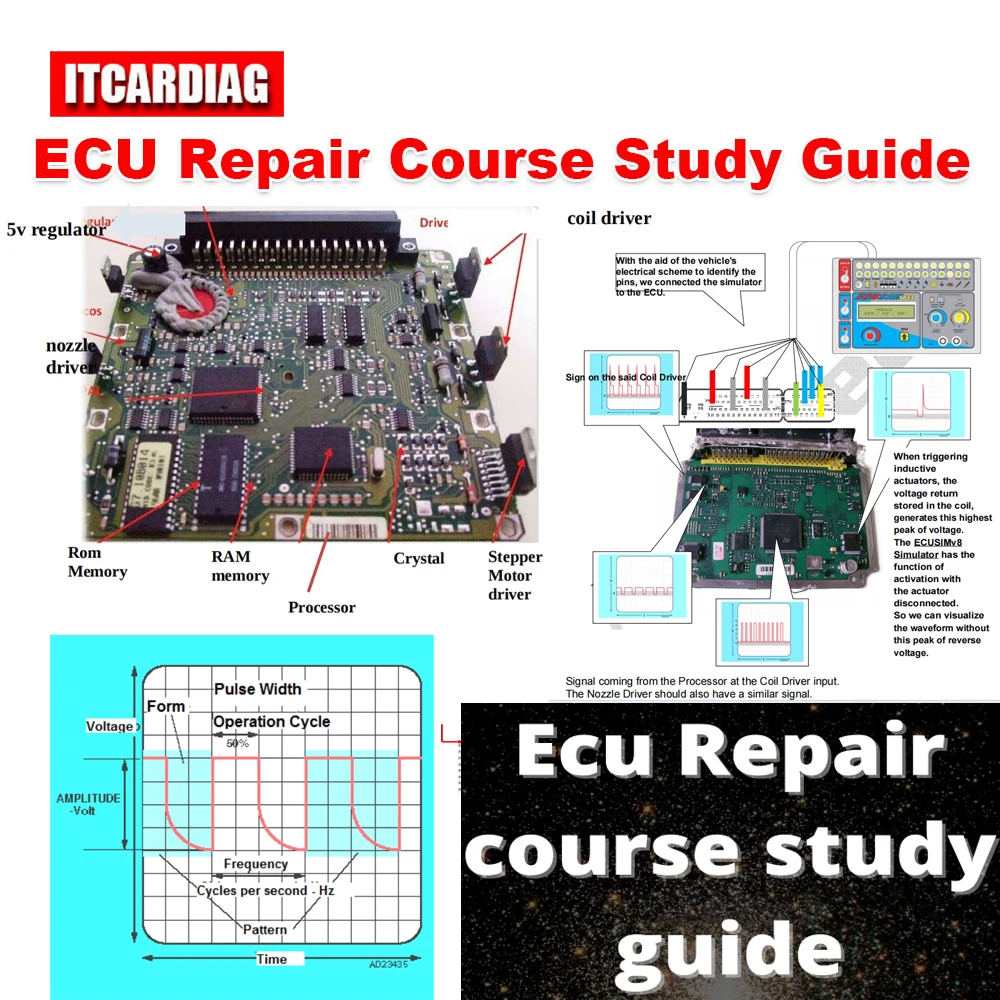
The Electronic Control Unit, commonly referred to as the ECU or ECM, acts as the "brain" of a modern vehicle. It is a specialized embedded computer that continuously monitors dozens of engine parameters through an array of electronic sensors. Based on the incoming data, the ECU makes millions of calculations per second to adjust actuators, fuel injectors, and ignition timing.
Core Components of an Engine Management System
To understand how an ECU functions, it helps to break the system down into three primary categories:
- Sensors: Input devices that measure physical properties such as temperature, pressure, rotational speed, and oxygen content. Examples include the MAF (Mass Air Flow) sensor, MAP (Manifold Absolute Pressure) sensor, and crankshaft position sensor.
- The ECU (Processor): The central processing unit that evaluates sensor data against pre-programmed fuel maps and tables to determine the ideal operating parameters.
- Actuators: Output devices that execute the ECU's commands. These include fuel injectors, spark plugs, idle air control valves, and electronic throttle bodies.
Key Sensors Monitored by the ECU
The performance and efficiency of an engine depend entirely on the accuracy of its sensors. If a sensor fails, the ECU may enter a "limp mode" to protect the engine from damage.
1. Mass Air Flow (MAF) Sensor
Usually located right after the air filter box, the MAF sensor measures the volume and density of the air entering the engine. The ECU uses this data to calculate the exact amount of fuel required to maintain the ideal air-fuel ratio (stoichiometry, typically 14.7:1 for gasoline engines).
2. Oxygen (O2) / Lambda Sensor
Positioned in the exhaust system, the oxygen sensor measures the amount of unburned oxygen in the exhaust gases. This provides closed-loop feedback to the ECU, allowing it to make real-time micro-adjustments to the fuel delivery.
3. Crankshaft and Camshaft Position Sensors
These sensors track the exact rotational position and speed of the engine's internal components. The ECU relies on this critical data to synchronize spark plug ignition and fuel injection events precisely.

Using an ECU Reference Guide for Diagnostics
When a component fails or falls out of specification, the ECU flags the issue and illuminates the Check Engine Light (CEL) on the dashboard. It also stores a Diagnostic Trouble Code (DTC) in its non-volatile memory.
Understanding OBD-II Diagnostic Trouble Codes
Onboard Diagnostics (OBD-II) protocols standardize the codes generated by the ECU. Every code consists of a letter followed by four numbers:
- P (Powertrain): Relates to the engine, transmission, and associated emissions systems.
- B (Body): Covers components located in the passenger compartment area.
- C (Chassis): Pertains to mechanical systems like suspension, steering, and braking.
- U (Network): Involves vehicle communication buses (such as CAN bus).
The second digit (0 or 1) indicates whether the code is generic (SAE standard) or manufacturer-specific. The final two digits pinpoint the exact circuit or subsystem experiencing the fault.
ECU Flash Tuning and Remapping Basics
Beyond diagnostics, enthusiasts frequently interact with the ECU for performance tuning. Factory ECUs are programmed with conservative safety margins to accommodate low-quality fuel, extreme weather, and delayed maintenance schedules across global markets.
What Happens During a ECU Remap?
ECU tuning involves modifying the software tables (maps) stored inside the unit's flash memory. Common modifications include:
- Boost Pressure: Increasing turbocharger wastegate duty cycles to raise manifold pressure.
- Ignition Timing: Advancing spark timing for engines running on higher-octane fuel to generate more torque.
- Fuel Enrichment: Adjusting the target air-fuel ratios under wide-open throttle (WOT) to prevent detonation.
While aftermarket tuning can unlock substantial horsepower gains, it requires careful monitoring of exhaust gas temperatures (EGT) and air-fuel ratios to prevent catastrophic engine failure.
Conclusion
The engine control unit is a marvel of modern engineering, bridging mechanical systems with advanced microprocessors. Whether you are troubleshooting a persistent fault code or exploring performance modifications, keeping a reliable ECU reference guide handy ensures you can interpret sensor data accurately, protect your engine, and maintain peak automotive performance.