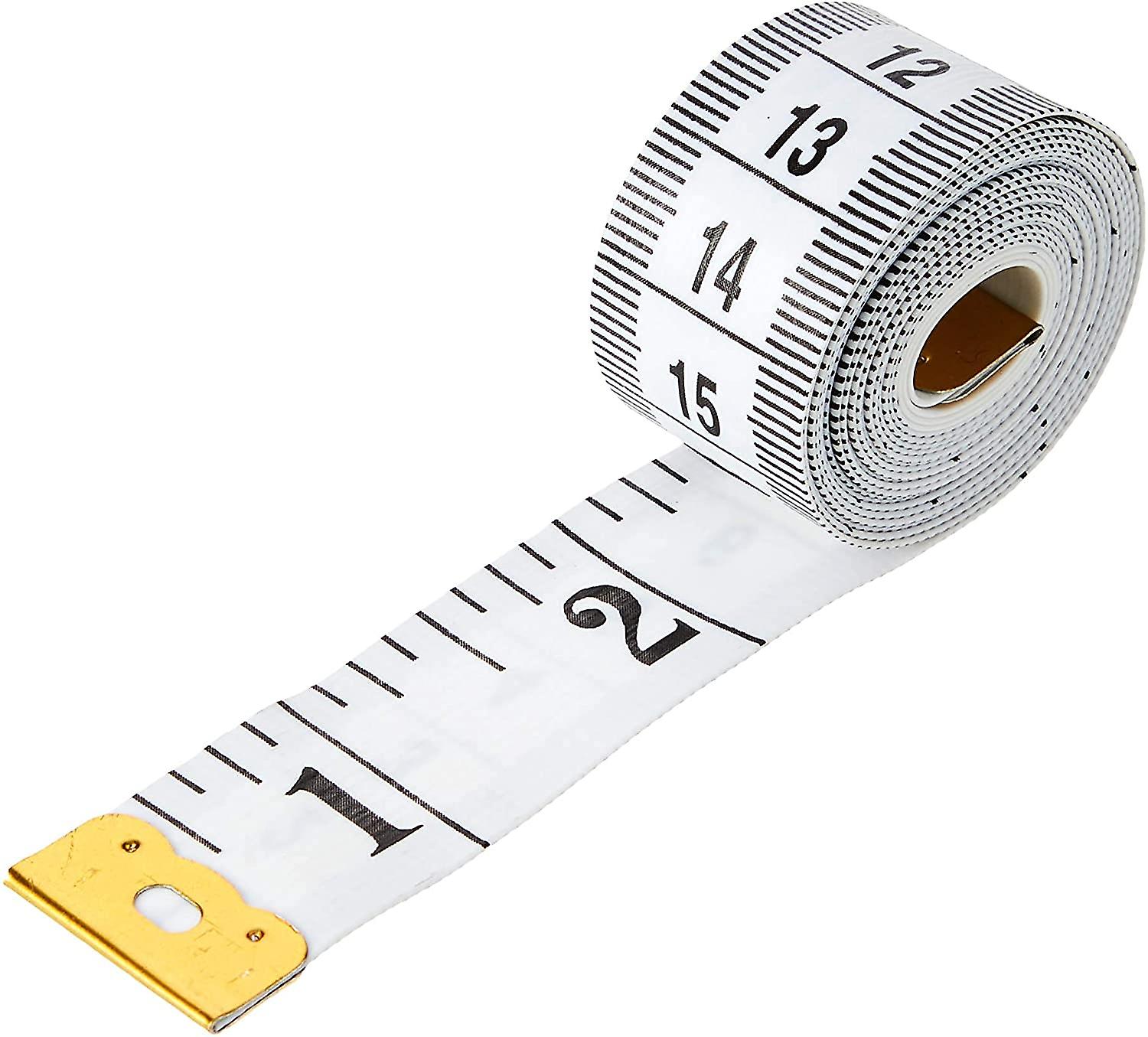
Complete Guide to Choosing a Textile Measuring Tape
Understanding the Textile Measuring Tape

Whether you are crafting custom garments, altering thrifted clothes, or quilting intricate patterns, accuracy is everything. At the heart of every successful sewing project is a reliable textile measuring tape. Unlike rigid metal rulers or construction tape measures, a fabric tape is specifically designed to drape smoothly over curves, body contours, and flexible textiles without stretching or distorting the dimensions.
Choosing the right measuring tool impacts the fit of your garments and the precision of your cuts. This guide explores the different types of textile tapes available, key features to look for, and how to maintain your tools for lifelong accuracy.
Key Features of a Quality Measuring Tape
Not all flexible tapes are created equal. When shopping for sewing and crafting supplies, pay close attention to the following features to ensure you get a durable, precise instrument.
Material Composition
Most traditional fabric tapes are made of fiberglass-reinforced PVC or coated vinyl. Fiberglass is the industry gold standard because it resists stretching, even with frequent pulling and heavy use over time. Older vintage tapes made of pure cotton or linen tend to stretch and shrink with humidity changes, leading to inaccurate measurements.
Dual-Sided Markings
A high-quality textile measuring tape features dual-sided printing. One side typically displays centimeters and millimeters, while the reverse side shows inches and fractional increments (like 1/8" and 1/4"). This versatility is essential if you work with both modern metric patterns and traditional imperial patterns.

End Fittings and Durability
Look for metal tips (aglets) at both ends of the tape. These prevent the material from fraying and provide a solid metal edge to butt up against fabric edges or body parts for zero-point accuracy. Avoid tapes with unreinforced plastic ends that can easily snap off.
Types of Flexible Tapes for Sewing
Depending on your specific crafting niche, you might encounter several specialized variations of the standard fabric tape:
- Standard Tailor's Tape: Usually 60 inches (150 cm) long, flexible, and lightweight. Perfect for taking body measurements and drafting patterns.
- Retractable Fabric Tape: Housed in a small plastic case with a spring-loaded mechanism. Great for keeping in a purse or quick-repair sewing kit, though the housing can sometimes make measuring flat surfaces slightly awkward.
- Quilting and Patchwork Tapes: Extra-long versions, sometimes reaching 120 inches (300 cm), designed for measuring large quilt tops and batting.
How to Use and Maintain Your Measuring Tool
Even the best textile measuring tape will lose its accuracy if it is abused or stored incorrectly. Follow these simple guidelines to keep your tool in top condition.
- Avoid Pulling Too Tightly: While fiberglass resists stretching, excessive force over years of use can distort the material. Pull the tape taut against the fabric or body, but do not stretch it.
- Store Properly: Roll your tape loosely or lay it flat rather than folding it tightly into sharp creases, which can crack the vinyl coating and obscure the printed numbers.
- Calibrate Periodically: Compare your fabric tape against a rigid metal ruler or carpenter's rule once a year. If you notice a discrepancy of more than a millimeter over 60 inches, it is time for a replacement.
Conclusion
Investing in a premium textile measuring tape is a small expense that pays off in perfectly fitted garments and precisely pieced sewing projects. By choosing a fiberglass-reinforced, dual-sided tape and treating it with care, you ensure that your measurements remain dependable for years to come.