Complete Guide to the PSU AE Thesis Process
Embarking on the PSU AE thesis is the defining milestone of your undergraduate education in Architectural Engineering at Penn State. This year-long capstone project challenges you to synthesize everything you have learned across structural, mechanical, electrical, lighting, or construction management tracks. Because the workload is immense and the standards are high, understanding the structure, expectations, and timeline of the thesis process is critical to your success.
Understanding the PSU AE Thesis Structure
The Penn State AE senior thesis is unique in both its scale and its integration. Unlike typical capstone projects that end with a simple design, the AE thesis often requires a deep-dive technical analysis of an existing building, followed by proposed redesigns and integrated multidisciplinary evaluations.
Students typically specialize in one of four primary options:
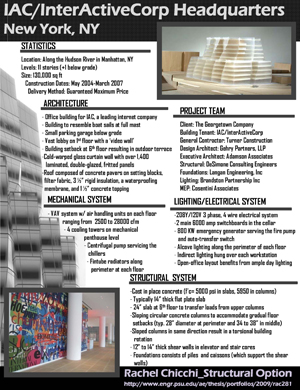
- Structural Option: Focuses on gravity and lateral load-resisting systems, structural material optimization, and advanced structural analysis.
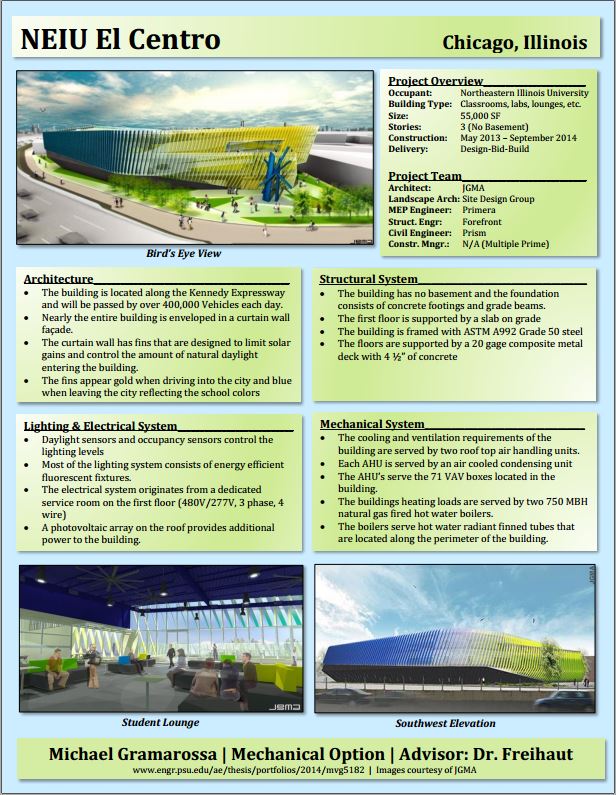
- Mechanical Option: Centers on HVAC systems, energy modeling, thermal comfort, and sustainable building technologies.
- Electrical/Lighting Option: Involves electrical distribution design, branch circuit analysis, and comprehensive interior or exterior lighting design.
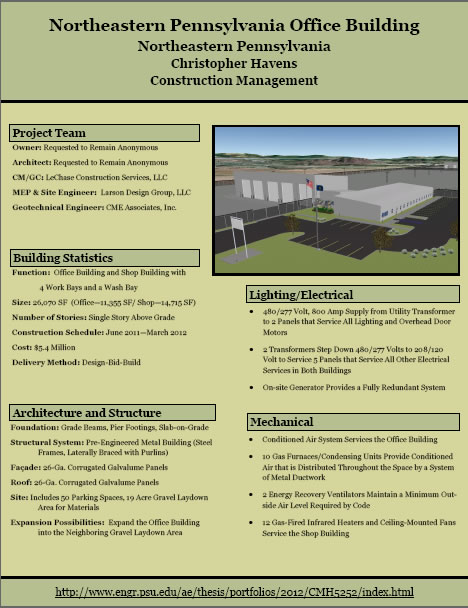
- Construction Management Option: Examines project scheduling, cost estimating, value engineering, site logistics, and constructability reviews.
Regardless of your chosen track, the thesis demands a breadth study and a depth study, ensuring you understand how your specialized design decisions impact other building systems.
Timeline and Key Milestones
The PSU AE thesis spans both the fall and spring semesters of your senior year. Managing your time effectively across these months prevents last-minute panic and ensures a polished final submission.
Fall Semester: Building the Foundation
The fall semester is all about research, selection, and proposal development. You will select an existing building—often called your "building of choice"—and secure the necessary architectural and engineering drawings.
- Building Selection: Choose a complex building that provides sufficient technical challenge across multiple engineering disciplines.
- Existing Conditions Report: Document the current structural, mechanical, electrical, and construction systems of the building.
- Proposal Presentation: Draft and defend your thesis proposal, outlining your planned depth studies and breadth redesign topics before a faculty committee.
Spring Semester: Execution and Defense
The spring semester is a high-intensity execution phase where you implement your proposed redesigns, run complex simulations, and prepare your final deliverables.
- Technical Analysis: Perform rigorous engineering calculations, energy simulations, or structural finite element analysis.
- Integration Studies: Evaluate how your changes impact cost, schedule, and other engineering systems.
- Final Report and Presentation: Compile your findings into a comprehensive final report and present your work during AE Research Day or final defense sessions.
Tips for Surviving and Thriving
Succeeding in your architectural engineering thesis requires more than just technical competence; it demands strong project management and strategic communication skills.
Choose Your Building Wisely
Your entire year hinges on the building you select. Avoid overly simple structures or buildings with scarce documentation. Look for projects with unique architectural features, complex structural framing, or innovative mechanical systems that give you plenty of room to propose meaningful technical redesigns.
Communicate Proactively with Advisors
Your faculty advisors and industry consultants are your greatest resources. Set up regular check-ins, come prepared with specific questions, and do not wait until you are stuck to ask for help. Building a strong professional relationship with your advisor will keep your project on track and yield valuable industry mentorship.
Leverage the AE Computer Lab and Resources
Penn State provides specialized software licenses, computing clusters, and collaborative spaces for AE students. Make full use of tools like Revit, ETABS, RAM, Trace, and AGi32 early in the process. Master these platforms during the fall semester so you are not troubleshooting software bugs while your deadlines loom in the spring.
Conclusion
The PSU AE thesis is undoubtedly challenging, but it is also your gateway to the professional world. By treating the project like a real-world engineering assignment, managing your schedule meticulously, and leaning on your faculty and peers, you will produce a capstone project that showcases your engineering capability and sets you apart in the job market.