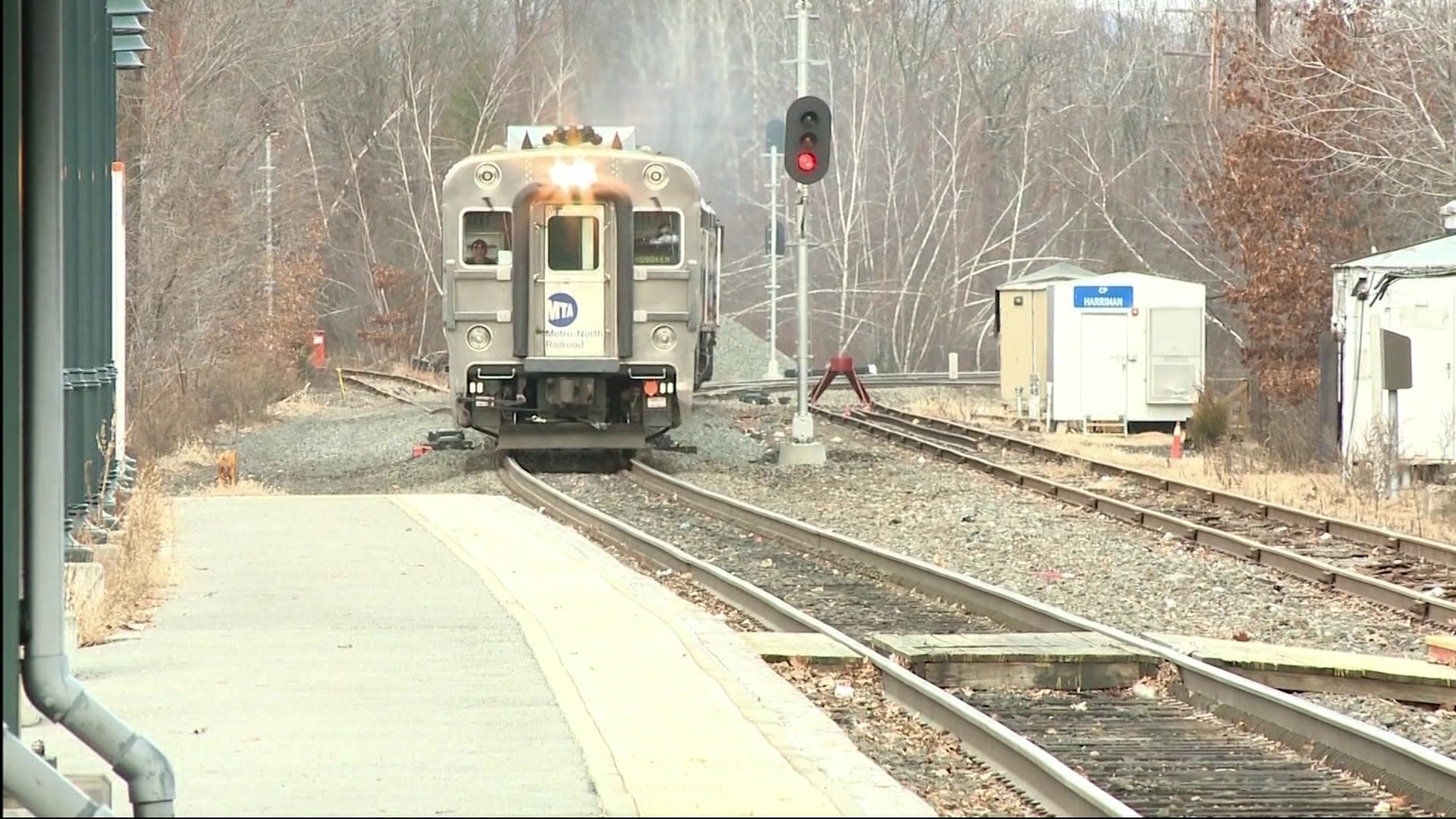
Concord Train Schedule: The Unexpected Consequences
When transit planners updated the Concord train schedule, the unexpected consequences of the new times were felt almost immediately across platforms, parking lots, and neighborhood streets. On paper, timetable revisions look like sterile math: rebalancing headways, standardizing dwell times, and optimizing equipment turns. But in a historic commuter town like Concord, Massachusetts, train times are not merely travel suggestions—they are the invisible scaffolding around which daily life, family logistics, and local commerce are built.

The adjustments to the MBTA Fitchburg Line were designed to modernize the line into a more predictable regional rail model. Yet, the real-world friction of shifting departure windows by ten to twenty minutes revealed how delicately balanced suburban transit ecosystems really are.
Concord Train Schedule: The Unexpected Consequences of the New Times
For decades, Fitchburg Line riders using both Concord Center and West Concord stations relied on a morning cadence shaped around traditional 9-to-5 office hours in downtown Boston. Commuters organized their alarms, child drop-offs, and highway connections around tightly clustered express trains that bypassed lower-ridership stops between Acton and Porter Square.
When the timetable switched to clockface scheduling—spacing trains at wider, regular hourly intervals throughout the morning peak—the immediate effect was a loss of flexibility. Rather than having two fast options arriving at North Station between 8:15 AM and 8:45 AM, passengers suddenly faced a stark choice: arrive nearly forty minutes early for their workday or risk walking into the office late.
The unexpected consequence was not an orderly dispersion of passengers across the morning. Instead, it concentrated hundreds of commuters onto a single, overburdened departure, turning previously relaxed boarding processes into crowded, tense bottlenecks.
The Station Parking Scramble and Street Spillover
One of the earliest dominoes to fall was parking availability at both Concord and West Concord stations. Because the most convenient inbound morning train shifted fifteen minutes earlier, the entire commuter rush hour shifted backward into dawn.
Riders realized that securing a space required arriving well before the ticket machines even saw daylight. By 6:45 AM, primary municipal and commuter rail permit spaces were often full, producing a series of unintended headaches:
- Neighborhood parking spillover: Residential streets adjacent to Thoreau Street and Commonwealth Avenue saw unexpected street-parking pressure as drivers sought non-metered spots.
- Increased drop-off congestion: Rather than risking a full lot, more commuters began having partners drop them off, doubling morning vehicle trips through congested town intersections like Sudbury Road.
- Station switching: Frustrated passengers from surrounding towns like Acton, Carlisle, and Sudbury bypassed Concord altogether or migrated between West Concord and Concord Center depending on which lot filled first.
The School Run and Childcare Dilemma
Perhaps the sharpest pain point created by the new timetable landed on dual-income families. Morning routines in suburban communities are timed to the minute. School bus pickups, before-school care drop-offs at local elementary schools, and daycares operate on rigid opening hours—most commonly 7:00 AM or 7:30 AM.
When an essential inbound express was bumped earlier, it broke the chain of feasibility for working parents. A parent who previously dropped a child at before-school care at 7:05 AM and caught a 7:18 AM train could no longer make the new 7:02 AM departure. The subsequent train at 7:34 AM, operating as a local, did not arrive at North Station until after 8:30 AM—too late for many downtown obligations.

This scheduling gap forced families to reorganize their households. In many cases, one parent had to surrender public transit entirely, trading the train for a grueling drive down Route 2 and Interstate 93 just to retain control over morning drop-off schedules.
Local Commerce: Foot Traffic Rewired
Transit stations are economic engines for the villages that surround them. In both Concord Center and the West Concord commercial district, morning and evening foot traffic supports an ecosystem of independent bakeries, coffee shops, dry cleaners, and casual eateries.
The Morning Grab-and-Go Shift
When train departure times move, coffee habits change instantly. Local cafes near the depot experienced a compressed, erratic rush. Because commuters were stressed about finding parking for the earlier departure, they abandoned the leisurely five-minute ritual of buying a sit-down espresso and muffin in favor of sprinting straight to the platform.
Evening Dine-and-Dash Dynamics
The return schedule produced an equal and opposite challenge in the evening. With inbound evening trains arriving back in Concord at irregular intervals, the steady flow of professionals walking past downtown storefronts between 5:30 PM and 6:30 PM became fragmented. Rather than grabbing takeout, running a quick errand, or meeting a spouse for a drink near the depot, weary commuters arriving on delayed or poorly spaced return trains headed straight to their cars to beat school pickup deadlines or get home for dinner.
Commuter Coping Strategies: How Riders Are Adapting
Faced with a schedule that no longer seamlessly aligns with their lives, Concord commuters have adopted several practical workarounds to navigate the new system:
- Midweek Remote Clustering: Riders increasingly negotiate in-office schedules with employers, clustering remote work on Tuesdays or Thursdays to avoid the worst midweek platform crowds.
- Micro-Mobility to Bypass Parking: An increasing number of commuters now use folding e-bikes and electric scooters, riding from neighborhoods two miles out directly to the platform, eliminating parking uncertainty.
- Station Arbitrage: Passengers track real-time crowding data on their phones, choosing between West Concord, Concord, and South Acton based on train performance rather than geographical proximity.
- Evening Reverse Commuting: Some commuters now intentionally catch later post-peak trains out of North Station, using the time for gym visits or dinner in Boston rather than enduring crowded 5:15 PM departures.
Lessons for Future Suburban Transit Planning
The lessons from Concord’s timetable experience extend far beyond one town along the Fitchburg Line. They highlight a fundamental challenge facing modern public transit: network efficiency cannot be evaluated purely through the lens of train mechanics and line-wide averages.
Suburban rail ridership is fundamentally sensitive to life logistics. When transit authorities treat departures as interchangeable numbers on a grid, they risk alienating riders whose commitment to green transportation relies on predictable connections to family and work. As rail networks continue to evolve toward regional, all-day service, genuine community consultation must go deeper than public hearings—it must account for the real, delicate rhythms of the towns the tracks run through.