Condom Break and Family Planning Issues: What to Do
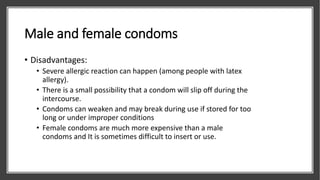
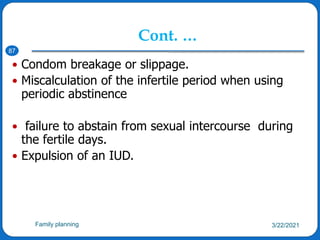
Using barrier methods is a cornerstone of safe sex, but accidents do happen. When a condom break and family planning issues collide, it can trigger immediate panic and long-term anxiety about unintended pregnancy or sexually transmitted infections (STIs). Whether you are actively trying to avoid pregnancy or meticulously timing your family milestones, a barrier failure requires prompt, informed action to regain control of your reproductive health.
Immediate Steps After a Condom Failure
The minutes and hours following a barrier failure are critical. If you find yourself facing a broken condom, try to remain calm and take the following steps:
- Stop and assess: Withdraw carefully to prevent further fluid exchange or retained latex pieces.
- Inspect the condom: Check the device to see how much of it tore and whether any fragments remain inside the vagina or rectum.
- Wash gently: Clean the external genital area with mild soap and water. Avoid harsh douches or aggressive scrubbing, as these can push pathogens further into the reproductive tract or cause micro-tears.
Addressing Family Planning Issues: Emergency Contraception
When a contraceptive method fails, emergency contraception (EC) is your primary safety net for preventing an unintended pregnancy. Depending on your timeline and medical history, you have a few effective options:
1. Over-the-Counter Morning-After Pills
Levonorgestrel-based pills (such as Plan B One-Step) are widely available without a prescription. They work primarily by delaying ovulation. These pills are most effective when taken within 72 hours (3 days) of unprotected intercourse, though they can offer some protection up to 120 hours later with diminishing efficacy.
2. Prescription Emergency Contraception
Ulipristal acetate (Ella) is another oral EC option that requires a prescription. It works closer to the time of ovulation by blocking the hormones needed for an egg to release. Ella remains effective up to 120 hours (5 days) after intercourse and does not lose efficacy as rapidly as levonorgestrel in the days following the event, making it a strong choice for higher-weight individuals.
Video: Condom Broke? Here's Your REAL HIV Risk (Specialist Pharmacist Explains)

3. The Copper IUD
For individuals seeking long-term family planning solutions alongside immediate emergency contraception, a healthcare provider can insert a copper intrauterine device (IUD) within 5 days of unprotected sex. The copper IUD acts as a powerful spermicide and prevents fertilization, while also serving as highly effective birth control for up to a decade or more.
Evaluating STI Risks
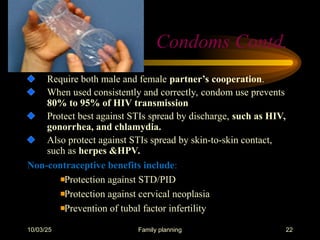
Family planning is not solely about preventing pregnancy; it also encompasses sexual health and the prevention of infections. Condoms protect against sexually transmitted infections like chlamydia, gonorrhea, and HIV. If the condom breaks with a partner whose status is unknown or positive:
- Consult a doctor or local clinic about Post-Exposure Prophylaxis (PEP) for HIV, which must be started within 72 hours of exposure.
- Schedule a comprehensive STI screening panel. Keep in mind that many STIs require a window period before they show up accurately on diagnostic tests.
Long-Term Family Planning Adjustments
A single mechanical failure does not mean your chosen birth control method is fundamentally flawed, but it does warrant a review of your routine. Frequent condom breakage often points to specific, correctable causes:
- Improper sizing: A condom that is too tight is prone to ripping, while one that is too loose can slip off.
- Incorrect lubrication: Using oil-based lubricants (like petroleum jelly, lotion, or baby oil) with latex condoms weakens the material rapidly. Stick to water-based or silicone-based lubricants.
- Storage errors: Keeping condoms in hot environments, such as a wallet or a glove compartment, degrades the latex over time.
If you experience repeated issues with barrier methods, consider discussing dual-protection strategies with a gynecologist. Combining oral contraceptives, hormonal IUDs, or the birth control shot with condoms provides a robust backup system, ensuring that a single tear does not completely disrupt your life goals.
When to See a Healthcare Provider
While over-the-counter medications handle many emergency situations, certain scenarios require professional medical intervention. Reach out to a healthcare provider if you experience severe pelvic pain, unusual bleeding, fever, or if your period is more than a week late following the incident. Taking a home pregnancy test two to three weeks after the barrier failure will provide definitive clarity and help you move forward with your family planning journey.