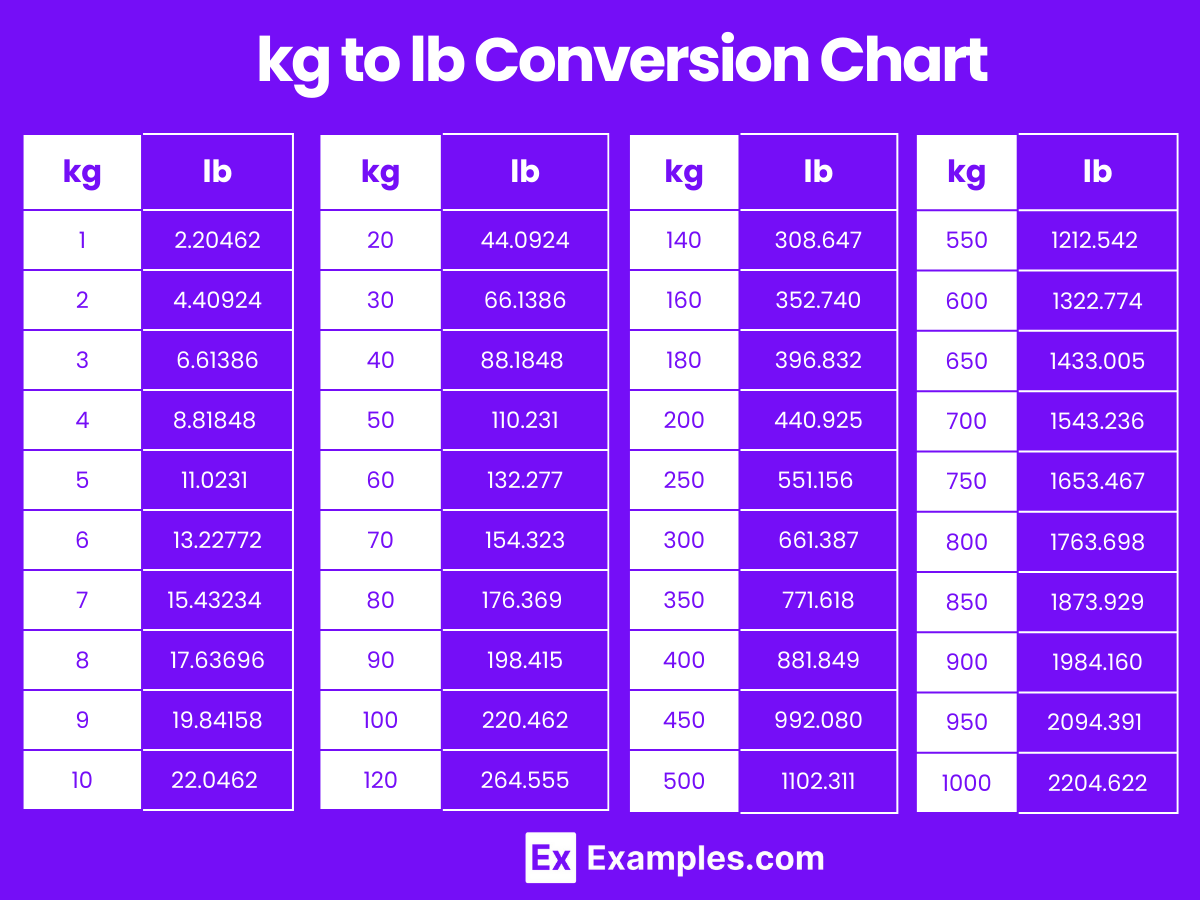
Convert 6 kg to Pounds: Quick Answer & Math
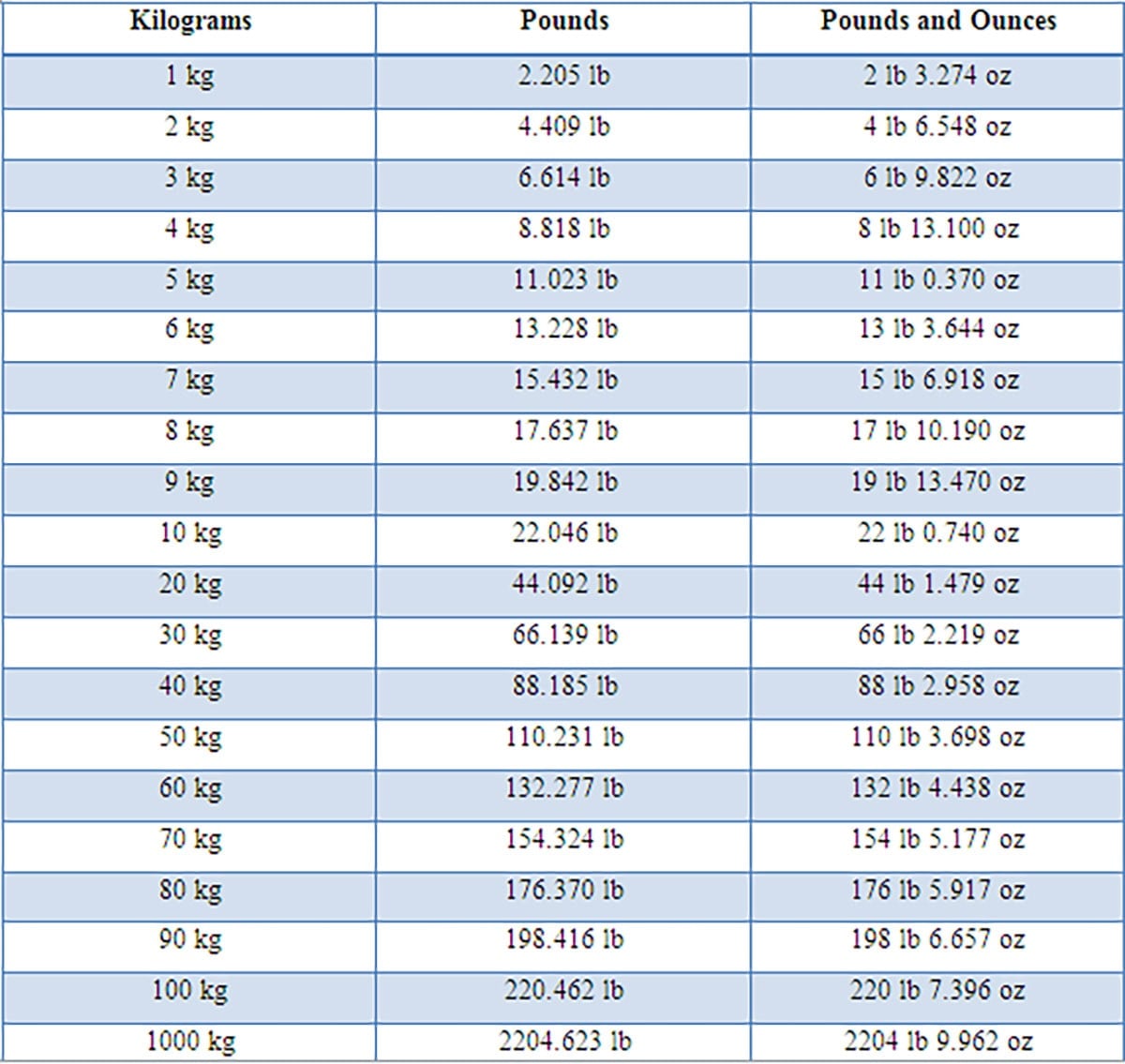
Converting 6 kg to pounds gives a result of approximately 13.23 pounds (lbs). If you need an exact measurement in pounds and ounces, 6 kilograms is equal to 13 pounds and 3.64 ounces.

Whether you are packing an airline carry-on bag, monitoring your pet’s health, checking weight limits for postal shipping, or selecting kettlebells at the gym, converting between the metric and imperial systems is a frequent necessity. Below, you will find the precise mathematics behind this conversion, quick mental shortcuts, real-world comparisons, and a handy conversion chart.
Converting 6 kg to Pounds: The Step-by-Step Math
To convert any measurement from kilograms (kg) to pounds (lbs), you multiply the mass by the international conversion factor. Under the International Yard and Pound Agreement of 1959, one avoirdupois pound is officially defined as exactly 0.45359237 kilograms. Conversely, one kilogram is equal to approximately 2.20462262 pounds.
The Direct Formula
The standard conversion equation is:
Pounds (lbs) = Kilograms (kg) × 2.20462262
Applying this formula to 6 kilograms:
6 × 2.20462262 = 13.22773572 lbs- Rounding to two decimal places gives 13.23 lbs.
- Rounding to one decimal place gives 13.2 lbs.
Converting Decimals to Ounces
Weight scales in countries using imperial units often display weight in pounds and ounces rather than decimal pounds. Because there are 16 ounces in one pound, you can convert the fractional portion of the result into ounces:
- Take the decimal remainder:
0.22773572 - Multiply by 16:
0.22773572 × 16 = 3.64377 ounces - Combine with the whole number: 13 lbs, 3.64 oz
How to Convert 6 kg in Your Head
You do not always have a calculator available when browsing goods in a store or standing at an airport check-in desk. Fortunately, there is a simple mental math trick that gives you an accurate estimate within seconds.
Because 1 kg is roughly 2.2 lbs, you can calculate the result using a two-step method:
- Double the number: Multiply the weight in kilograms by 2.
6 × 2 = 12 - Add 10% of that doubled value: Find 10% of 12 (move the decimal point one spot to the left, which gives 1.2), and add it to the doubled value.
12 + 1.2 = 13.2 lbs
This mental shortcut produces 13.2 lbs—a variance of less than half an ounce compared to the true scientific value of 13.23 lbs. For virtually all daily purposes, this method is more than accurate enough.
What Does 6 kg Look Like in Everyday Life?

Visualizing abstract numbers can be challenging. To give you a practical sense of what 6 kilograms (13.23 lbs) feels like, consider these familiar benchmarks:
- Household pets: A healthy adult French Bulldog, a large domestic Maine Coon cat, or an average adult Pug typically weighs right around 6 kg.
- Fitness equipment: In metric gyms, 6 kg is a standard kettlebell or dumbbell size, frequently used for lateral raises, shoulder rehabilitation, and high-repetition aerobic circuits.
- Hand luggage: Several regional airlines (particularly in Europe, Asia, and Oceania) enforce strict cabin baggage limits of 6 kg to 7 kg for personal items or overhead wheelies.
- Pantry staples: A 6 kg weight is roughly equivalent to a standard 13-pound economy bag of dry dog food, or three standard 2-kilogram bags of flour.
- Bowling balls: A regulation 13-pound bowling ball is nearly an exact match for 6 kg.
Kilograms to Pounds Conversion Reference Table
Weights often fluctuate by small increments. Here is a reference table showing values surrounding 6 kilograms, including conversions to decimal pounds as well as pounds and ounces:
- 5.0 kg = 11.02 lbs (11 lbs, 0.4 oz)
- 5.5 kg = 12.13 lbs (12 lbs, 2.0 oz)
- 6.0 kg = 13.23 lbs (13 lbs, 3.6 oz)
- 6.5 kg = 14.33 lbs (14 lbs, 5.3 oz)
- 7.0 kg = 15.43 lbs (15 lbs, 6.9 oz)
- 7.5 kg = 16.53 lbs (16 lbs, 8.6 oz)
Why Metric and Imperial Conversions Matter
The discrepancy between kilograms and pounds comes down to differing measurement philosophies. The metric system (used by over 95% of the world's population) is based on base-10 units derived from fundamental physics. The kilogram was historically defined relative to the mass of one liter of water, though it is now anchored to Planck’s constant.
The imperial and US customary systems rely on the pound, a unit with roots dating back to the Roman libra (which is why the abbreviation is "lb"). Because international commerce, scientific research, aviation, and manufacturing require universal precision, the United States, United Kingdom, and Commonwealth nations standardized the avoirdupois pound against the metric kilogram in 1959.
Understanding this relationship ensures you avoid costly mistakes, whether avoiding baggage excess fees at the airport, preparing recipes from foreign cookbooks, or tracking clinical dosages where precise weight calculations are critical.
Frequently Asked Questions
How many grams are in 6 kg?
There are exactly 1,000 grams in a kilogram. Therefore, 6 kilograms equals 6,000 grams (6 × 1,000).
How do you convert 13.23 lbs back to kilograms?
To convert pounds back to kilograms, divide the pound value by 2.20462 (or multiply by 0.453592). For example: 13.2277 ÷ 2.20462 = 6 kg.
Is 6 kg considered heavy for airline carry-on luggage?
No, 6 kg is relatively light for a suitcase, but it sits at the bottom threshold of strict airline carry-on allowances. Budget carriers such as Pegasus, Flybe, and several regional Australian and Southeast Asian airlines impose 6 kg or 7 kg cabin baggage limits. An empty rolling suitcase often weighs 2 to 3 kg alone, meaning a 6 kg limit leaves only 3 to 4 kg (6.6 to 8.8 lbs) for your belongings.