Converting 6pm EST to CEST: Time Zone Guide
Understanding EST and CEST

Managing schedules across different continents requires a clear grasp of time zones. When you need to convert 6pm EST to CEST, you are bridging two different timekeeping systems that observe seasonal changes quite differently. Getting this conversion right ensures your transatlantic meetings, webinars, and personal calls happen precisely when intended.
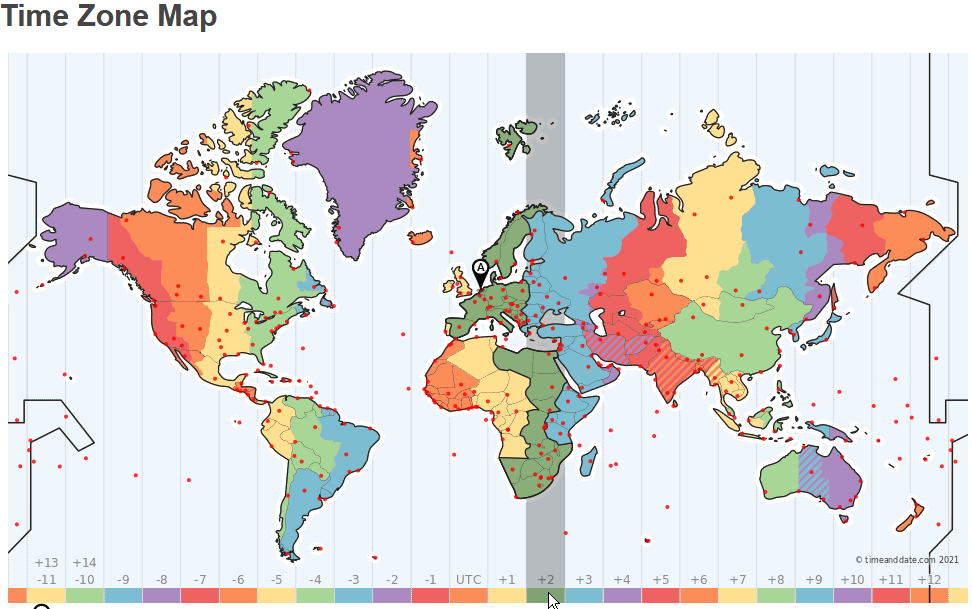
EST stands for Eastern Standard Time, which is UTC-5. This zone is observed during the standard winter months in eastern parts of North America, including major business hubs like New York, Toronto, and Miami. On the other side of the Atlantic, CEST stands for Central European Summer Time, which is UTC+2. This zone is active during the warmer months across much of continental Europe, covering cities like Paris, Berlin, Rome, and Madrid.
What Time Is 6pm EST in CEST?
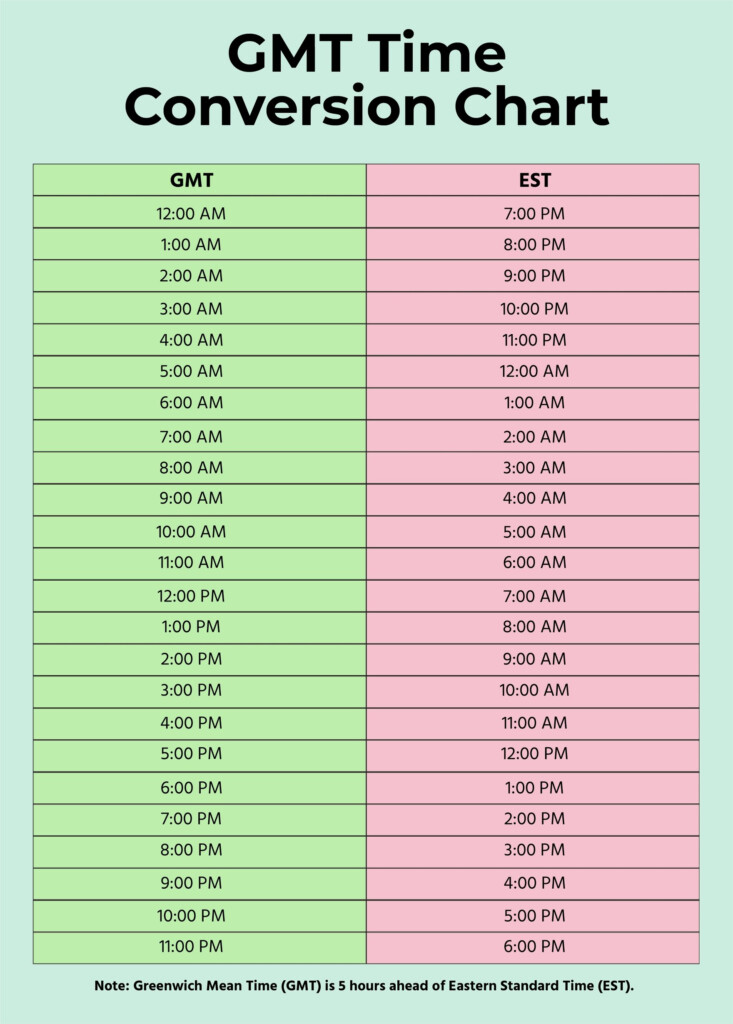
Strictly speaking, Eastern Standard Time (EST) and Central European Summer Time (CEST) do not actually overlap during the standard calendar year due to how daylight saving policies align. When North America is on standard time (EST), Europe is also on standard time (CET, UTC+1). Conversely, when Europe is on summer time (CEST), North America is on daylight saving time (EDT, UTC-4).
However, if you look at the raw mathematical hour difference between EST (UTC-5) and CEST (UTC+2), there is a 7-hour gap, with Central Europe running ahead of Eastern North America. Applying this 7-hour difference means that 6:00 PM EST technically translates to 1:00 AM the following day in CEST.
To give you a clearer picture of how these zones interact throughout the year, let's look at the actual practical conversions you will encounter depending on the exact month.
Practical Time Conversions Through the Year
Because the United States, Canada, and the European Union start and end their daylight saving periods on different dates, there are brief transition windows in the spring and autumn. However, for the vast majority of the year, you will be converting between EDT (Eastern Daylight Time) and CEST, or between EST and CET (Central European Time).
- Standard Winter Conversion (Nov–Mar): EST (UTC-5) to CET (UTC+1) is a 6-hour difference. 6pm EST equals 12:00 AM (midnight) the next day in CET.
- Summer Conversion (Mar–Oct): EDT (UTC-4) to CEST (UTC+2) is a 6-hour difference. 6pm EDT equals 12:00 AM (midnight) the next day in CEST.
- Strict EST to CEST Gap: Pure EST to pure CEST mathematically represents a 7-hour difference, placing 6pm EST at 1:00 AM CEST the next day.
Always double-check the exact calendar date of your event. If you are scheduling an event in late March or late October, the mismatched transition weekends can shift your meeting times by an unexpected hour.
Tips for Scheduling Across EST and CEST
Working across a 6-to-7-hour time difference requires careful planning to avoid missing meetings or burning out team members with late-night calls. Here are a few best practices to keep your international schedule running smoothly:
- Use World Clock Tools: Rely on reliable timezone converters or calendar tools like Google Calendar or Outlook, which automatically account for daylight saving changes based on the event date.
- Identify the Overlap Window: A 6:00 PM EST slot falls very late in the North American workday and lands in the middle of the night for Europe (12:00 AM or 1:00 AM). If you need live interaction, look for morning slots in EST (such as 9:00 AM to 11:00 AM EST), which translate to 3:00 PM to 5:00 PM in Central Europe.
- Communicate in UTC: When coordinating with distributed teams, specifying times in Coordinated Universal Time (UTC) eliminates ambiguity caused by regional clock changes.
- Account for Policy Shifts: Keep in mind that ongoing discussions regarding the abolition of seasonal time changes in the EU and North America may alter these calculations in the future. Always verify current local times before finalizing recurring appointments.
By understanding the mechanics behind EST, CET, EDT, and CEST, you can effortlessly manage your international appointments and ensure you never miss a beat when scheduling across the Atlantic.