Converting 7 00 PST to Your Local Time Zone
Whether you are tuning into a live product launch, logging into a remote team standup, or preparing for a game server reset, encountering a timestamp like 7 00 pst can cause instant confusion if you live in a different region. Pacific Standard Time covers the western coast of North America, and calculating the difference on the fly often leads to missed calls or showing up an hour late.
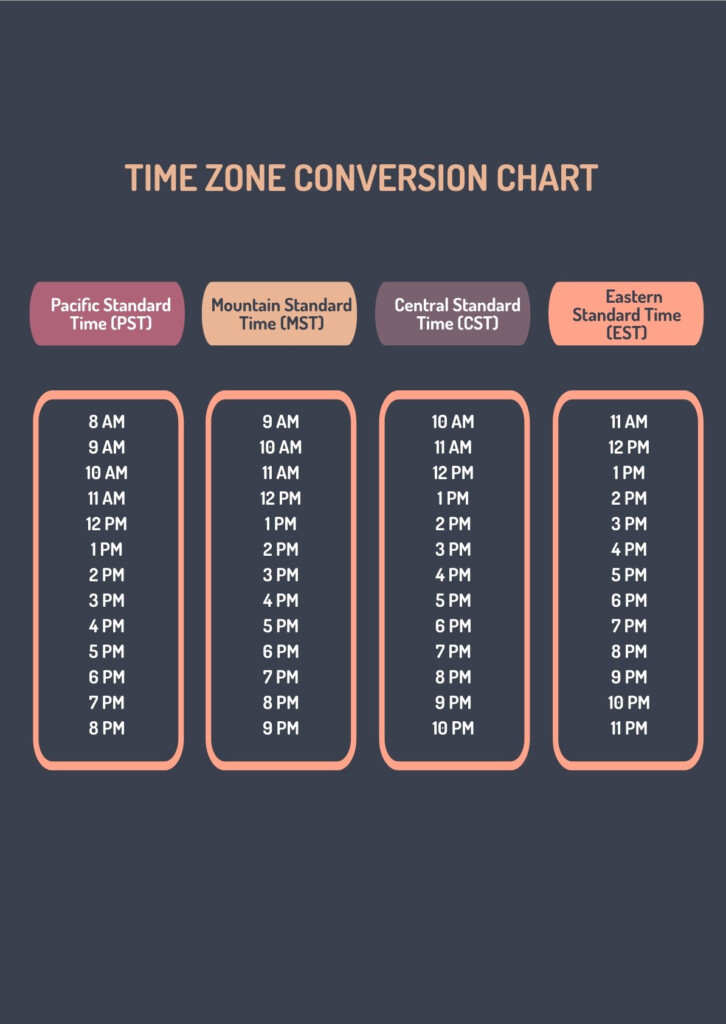
This guide breaks down what 7:00 PST means, how to convert it to major United States and international time zones, and the critical daylight saving mistake you must avoid when scheduling across regions.
Understanding the Basics of Pacific Standard Time
Pacific Standard Time (PST) is an official time zone designated as eight hours behind Coordinated Universal Time (UTC-8). It is observed in parts of the United States, Canada, and Mexico during the late autumn and winter months.
When someone mentions 7:00 PST without designating morning or evening, context usually dictates the intention:
- 7:00 AM PST (07:00): Common for early morning corporate announcements, financial market syncs, and transatlantic team handoffs.
- 7:00 PM PST (19:00): Frequent for esports broadcasts, webinars, evening community events, and entertainment premieres.
7:00 PST Converted to Major US Time Zones
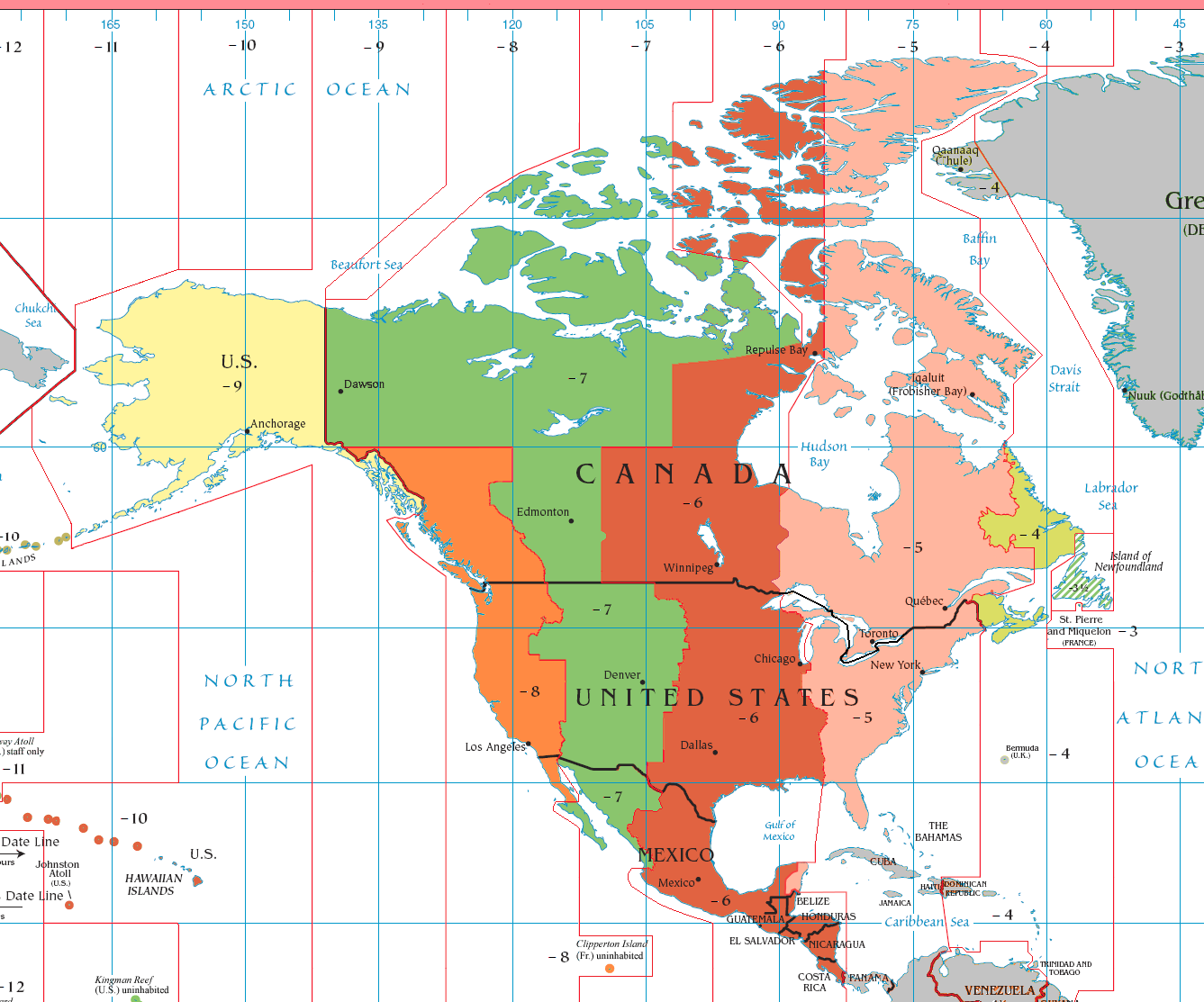
If you are coordinating across the United States, converting from Pacific Standard Time is relatively straightforward because the contiguous states fall into four main zones, each separated by exactly one hour.
Morning Conversion (7:00 AM PST)
- Mountain Standard Time (MST / UTC-7): 8:00 AM
- Central Standard Time (CST / UTC-6): 9:00 AM
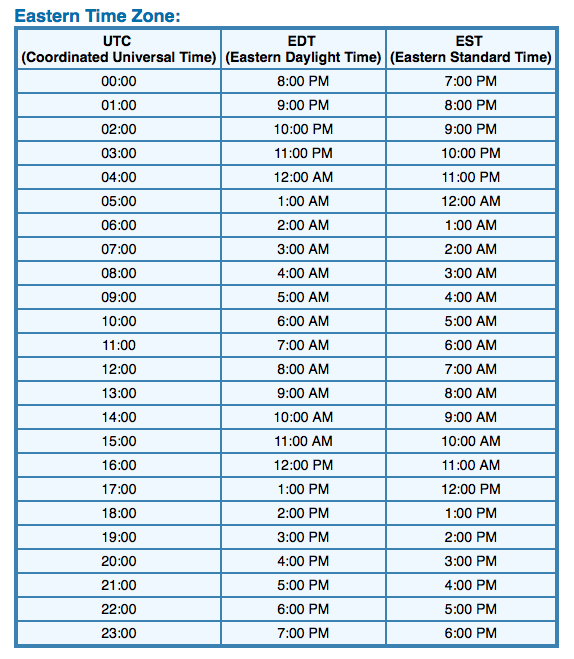
- Eastern Standard Time (EST / UTC-5): 10:00 AM
- Alaska Standard Time (AKST / UTC-9): 6:00 AM
- Hawaii-Aleutian Standard Time (HST / UTC-10): 5:00 AM
Evening Conversion (7:00 PM PST)
- Mountain Standard Time (MST): 8:00 PM
- Central Standard Time (CST): 9:00 PM
- Eastern Standard Time (EST): 10:00 PM
- Alaska Standard Time (AKST): 6:00 PM
- Hawaii-Aleutian Standard Time (HST): 5:00 PM
Converting 7 00 PST Across Global Time Zones
International coordination requires paying closer attention to the international date line, as a morning or evening time in California may fall on the following calendar day in Europe, Asia, or Australia.
Video: PST to EST Converter 2026 | Convert Pacific Time to Eastern Time Instantly

Converting 7:00 AM PST Globally
When the clock strikes 7:00 AM on the US West Coast, standard international times align as follows:
- London (GMT / UTC+0): 3:00 PM (same day)
- Berlin / Paris / Rome (CET / UTC+1): 4:00 PM (same day)
- Dubai (GST / UTC+4): 7:00 PM (same day)
- Mumbai / New Delhi (IST / UTC+5:30): 8:30 PM (same day)
- Singapore / Beijing (SGT/CST / UTC+8): 11:00 PM (same day)
- Tokyo (JST / UTC+9): 12:00 AM (Midnight, following day)
- Sydney (AEST / UTC+10): 1:00 AM (following day)
Converting 7:00 PM PST Globally
If the scheduled event occurs at 7:00 PM PST, the rest of the world has already transitioned into the next calendar day:
- London (GMT): 3:00 AM (next day)
- Berlin / Paris (CET): 4:00 AM (next day)
- New Delhi (IST): 8:30 AM (next day)
- Tokyo (JST): 12:00 PM / Noon (next day)
- Sydney (AEST): 1:00 PM (next day)
- Auckland (NZST / UTC+12): 3:00 PM (next day)
The Critical Difference Between PST and PDT
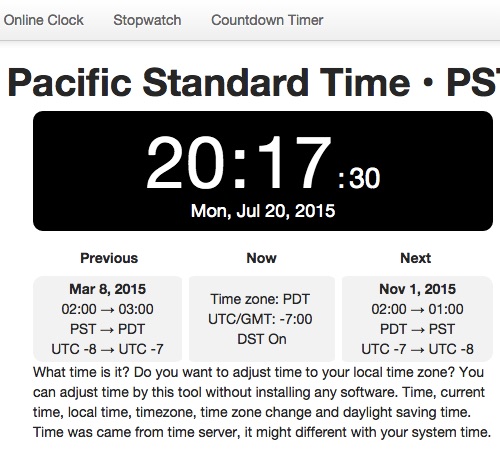
One of the most frequent scheduling errors comes from conflating PST (Pacific Standard Time) and PDT (Pacific Daylight Time). While many people colloquially use "PST" year-round, the Pacific region does not stay on UTC-8 permanently.
- Pacific Standard Time (PST): Active from the first Sunday in November until the second Sunday in March. During this window, the region operates on UTC-8.
- Pacific Daylight Time (PDT): Active from the second Sunday in March until the first Sunday in November. During this daylight saving period, clocks advance one hour, operating on UTC-7.
If an organization announces an event for "7:00 PST" in July, they almost certainly mean 7:00 PDT. If you convert strictly using UTC-8 during the summer, your calculation will be off by one full hour. When precision matters, check whether the event host is currently observing standard or daylight time, or refer to PT (Pacific Time), which encompasses whichever offset is active.
Best Practices for Scheduling Across Time Zones
Managing appointments, webinars, and software updates across different geographic regions requires a few simple precautions to avoid miscommunication:
- Specify the UTC Offset: Instead of writing only "7:00 PST", write "7:00 AM PST (UTC-8)". This removes all ambiguity for international attendees whose native calendar apps sync via UTC.
- Use Dynamic Calendar Invites: When scheduling meetings via Google Calendar, Outlook, or Apple Calendar, invite participants using their email addresses rather than sending a static text message. Modern calendar platforms automatically translate the event to the recipient's local system time.
- Always State AM or PM: Avoid writing "7:00" by itself. Use either the 12-hour format with clear AM/PM markers or the 24-hour notation (07:00 vs. 19:00).
- Use "PT" When Uncertain: If you are announcing an event months in advance and do not want to check whether Daylight Saving Time will be active on that date, write Pacific Time (PT). This signals that the time will adjust automatically to local clocks in California and Washington.
Summary
When you see 7 00 PST, you are looking at UTC-8. In the United States, that translates to 8:00 AM/PM Mountain, 9:00 AM/PM Central, and 10:00 AM/PM Eastern. Overseas, it translates to mid-afternoon in Europe (for 7:00 AM) or the following morning in Asia and Australasia. Double-check whether daylight saving time is active, confirm the morning or evening designation, and you will never miss a Pacific-time commitment.