Copart Fees Calculator: How to Estimate Total Costs
Understanding the True Cost of a Copart Vehicle

Buying a car at a Copart auto auction can save you thousands of dollars compared to traditional dealerships. However, the winning bid price is rarely the final amount you pay. Between buyer fees, gate fees, internet bidding fees, and potential state taxes, costs can escalate quickly. This is why using a reliable copart fees calculator is essential for anyone serious about bidding on salvage or clean-title vehicles.
Many first-time buyers make the mistake of assuming their maximum bid is the final price. Copart operates on a tiered fee schedule based on the final sale price of the vehicle, the type of membership you hold, and the specific yard location. To protect your profit margins—whether you are rebuilding a salvage title or buying parts—you must calculate these extra costs beforehand.
How Copart Structures Its Fees
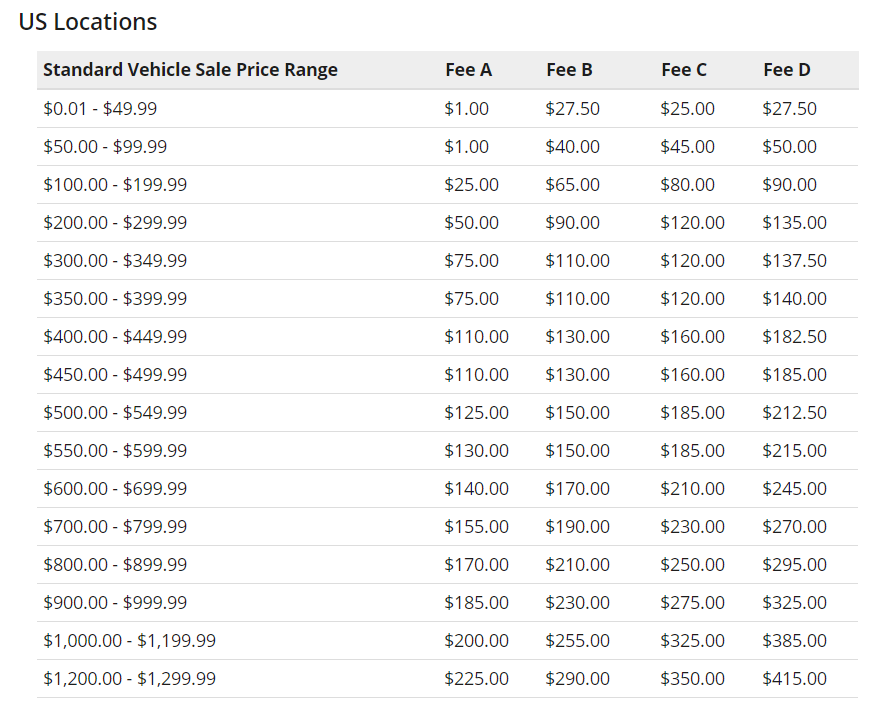
Before plugging numbers into a copart fees calculator, it helps to understand the individual components that make up your total invoice. Copart breaks down its extra charges into several distinct categories:
1. Copart Buyer Fees
Buyer fees represent the primary commission Copart charges for facilitating the transaction. These fees scale dynamically according to your bid amount and your membership tier (Basic vs. Premier). Generally, higher-priced vehicles carry higher buyer fees. Furthermore, Premier members often enjoy lower transaction fees and higher borrowing power, though this tier requires an annual subscription fee.
2. Virtual Bidding (Internet) Fees
Because the vast majority of bids happen online rather than on the physical auction floor, Copart charges an internet fee. This covers the technology platform that allows buyers from around the world to participate in live auctions. Like buyer fees, internet fees usually scale incrementally based on your vehicle's final purchase price.
3. Gate Fees
A standard gate fee—typically around $79 to $89—is charged on every vehicle purchased. This fee covers the labor and equipment required to load the vehicle onto a trailer or transport truck when you or your tow operator arrive at the yard.
4. Environmental and Regulatory Fees
Video: Copart Fees Calculator
Depending on the state where the vehicle is stored, you may encounter state-specific environmental fees, disposal fees, or document processing charges. These are mandatory regulatory costs that Copart collects on behalf of local jurisdictions.
How to Use a Copart Fees Calculator
Manually figuring out Copart's multi-tiered fee schedule can lead to mathematical errors and costly surprises. A dedicated copart fees calculator automates this math, giving you a clear picture of your total out-of-pocket expenses.
- Determine your membership type: Select whether you are using a Basic or Premier account, as this directly impacts your buyer fee rates.
- Enter your maximum bid: Input the estimated price you expect to win the vehicle for.
- Select the payment method: Some payment types (like credit cards or wire transfers) may carry different processing considerations, though cash, wire, and floor plan are standard.
- Check the location: Keep in mind that local taxes and gate fees can vary slightly depending on the specific Copart yard hosting the vehicle.
Example Breakdown of Copart Fees
To see how these costs accumulate in practice, let us look at a hypothetical purchase of a repairable sedan with a winning bid of $5,000 using a Basic Membership:
- Winning Bid: $5,000.00
- Estimated Buyer Fee: ~$600.00 (varies by tier and grid)
- Internet Bid Fee: ~$79.00
- Gate Fee: ~$79.00
- Estimated Total Before Tax: ~$5,758.00
As this breakdown shows, additional fees can easily add 10% to 15% or more to the final cost of a moderately priced vehicle. On lower-priced cars (under $1,000), the percentage impact of flat fees like the gate and internet charges is even higher.
Hidden Costs Beyond the Auction Yard
While a copart fees calculator accurately projects your invoice total from Copart itself, your total project cost does not stop at the auction exit gate. Savvy buyers factor in several downstream expenses before placing a bid:
- Transportation and Towing: Most Copart vehicles are non-runners or salvage units. You will need to hire a flatbed tow truck or auto transport company to deliver the car to your garage or shop.
- Titling and Registration Fees: Depending on your state, converting a salvage certificate into a rebuilt title involves inspection fees, DMV paperwork, and registration taxes.
- Parts and Labor: For rebuilders, estimating mechanical and body parts costs beforehand prevents underwater projects.
Tips for Minimizing Copart Fees
If you plan on buying vehicles from salvage auctions regularly, you can optimize your spending strategy to keep overhead low:
- Upgrade to Premier Membership: If you buy multiple cars a year, the reduced buyer fees on a Premier membership quickly offset the annual subscription cost.
- Pick Up Vehicles Promptly: Copart assesses storage fees if vehicles are not picked up within a specific window (usually a few business days after the sale). Always factor transport logistics into your timeline to avoid daily storage penalties.
- Set a Hard Bid Limit: Decide your maximum ceiling *before* the auction starts, factoring in the results from your fees calculator, and do not let auction fever push you past that number.
Conclusion
Participating in salvage auto auctions is an exciting way to acquire vehicles for personal use, resale, or parts harvesting. However, success depends entirely on accurate financial planning. By utilizing a copart fees calculator before every auction, you eliminate guesswork, protect your profit margins, and ensure that your winning bid truly represents a smart financial investment.


