Coping After Losing a Spouse: A Free Printable Checklist
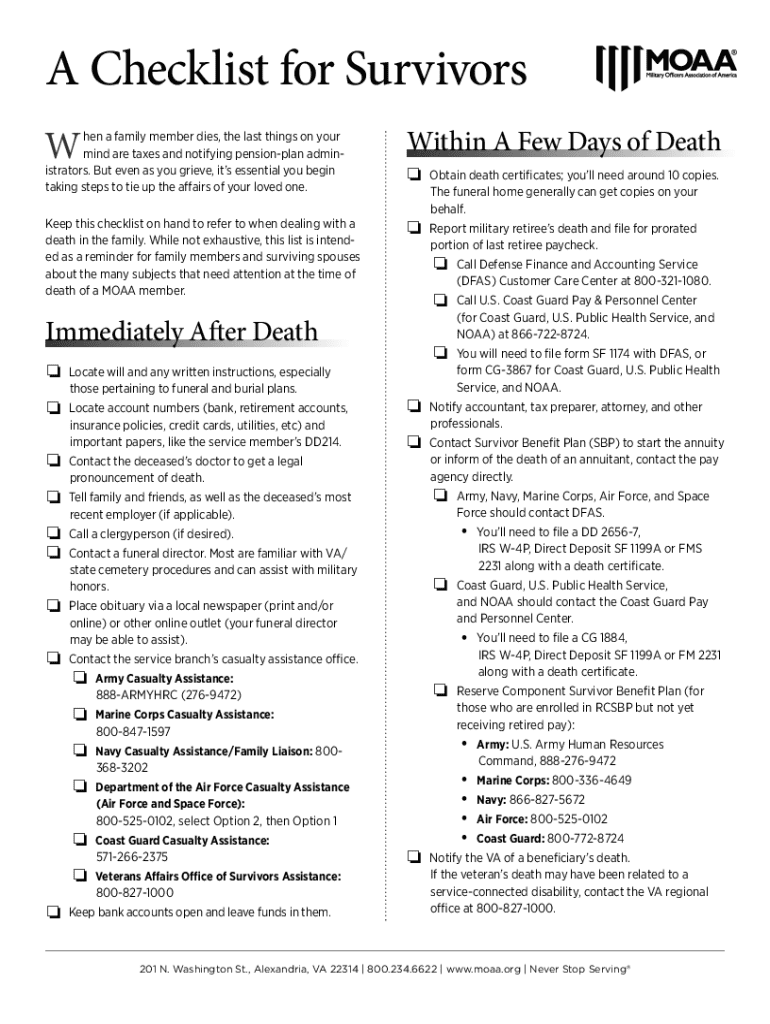
The loss of a husband or wife turns your entire world upside down. In the immediate aftermath, grief is often accompanied by an overwhelming wave of administrative tasks, decisions, and well-meaning inquiries. During this foggy and emotional time, keeping track of daily essentials can feel nearly impossible. Having a free printable checklist to help you cope after losing your spouse can provide a gentle, structured anchor when your mind is overloaded.

Grief does not follow a straight line, and neither should your recovery. This guide and checklist are designed to break down the days, weeks, and months following your loss into manageable steps, prioritizing your emotional well-being above all else.
Immediate Steps: The First 24 to 72 Hours
The first few days are often a blur of shock and activity. Do not try to handle everything on your own. Lean heavily on trusted family members, friends, or a designated representative who can help carry the immediate load.
- Notify authorities if necessary: If your spouse passed away at home outside of hospice care, call emergency services. If they were under hospice care, call the hospice nurse directly.
- Contact a funeral home: Funeral directors can help guide you through the initial removal of your spouse and begin discussing arrangements.
- Reach out to close family and friends: Designate one or two people to help spread the news to other extended family members and friends.
- Care for dependents and pets: Ensure that children, elderly family members, and family pets are being fed and comforted by trusted loved ones while you process the shock.
The First Week: Arrangements and Paperwork
As the initial shock begins to give way to reality, several practical matters require attention. You do not need to rush these, but certain documents must be gathered for legal and financial purposes.
- Gather vital documents: Locate your spouse’s Social Security number, birth certificate, marriage certificate, and any pre-arranged funeral or burial plans.
- Obtain death certificates: Request multiple copies (usually 5 to 10) from the funeral director or vital statistics office. You will need these for banks, insurance companies, and government agencies.
- Plan the service: Consult your spouse's wishes or your own preferences for a funeral, memorial, or celebration of life. Remember to keep it manageable for your energy levels.
- Secure the home: Ensure that your home and vehicles are secure, and check that mail is being collected if you are staying elsewhere.
Weeks 2 to 4: Navigating the Administrative Fog
Video: Estate Planning Checklist for Widows & Widowers: What To Do After Your Spouse Dies

Once the funeral or memorial service concludes, the quiet often settles in, bringing a different kind of heaviness. This is when the administrative reality of closing accounts and notifying institutions begins.
- Contact Social Security and other agencies: Report the death to the Social Security Administration to check eligibility for survivor benefits. Also notify the VA, pension providers, and your state's department of motor vehicles.
- Notify financial institutions: Contact banks, credit card companies, and mortgage lenders. Ask to close individual accounts or change joint accounts into your sole name.
- Consult professionals: Schedule a meeting with an estate attorney, a CPA, or a trusted financial advisor to review wills, trusts, and tax implications.
- Cancel subscriptions and memberships: Make a list of your spouse’s active subscriptions, gym memberships, and email accounts to close or memorialize them as needed.
Months 2 to 6: Emotional Self-Care and Daily Survival
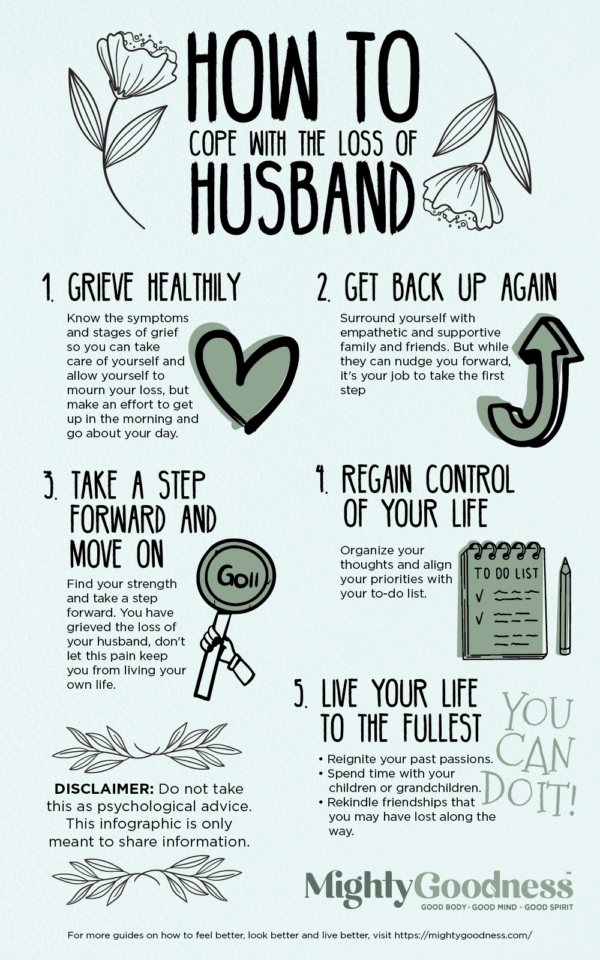
The external support systems often fade away after the first month, leaving you to face the reality of daily life alone. This phase requires immense gentleness toward yourself.
- Establish a micro-routine: Do not worry about long-term goals. Focus on basic self-care: drinking water, eating simple meals, and trying to get consistent rest.
- Say no without guilt: You are under no obligation to attend every social event, answer every phone call, or return every text immediately.
- Seek professional support: Consider joining a local or online grief support group, or working with a therapist who specializes in bereavement and loss.
- Postpone major decisions: Financial experts strongly advise waiting at least a full year before making major life changes, such as selling your home, relocating, or making large purchases.
How to Use Your Free Printable Checklist
To make this process as stress-free as possible, we have compiled these steps into a downloadable format. You can print it out, keep it on your refrigerator or inside a designated grief binder, and check off items at your own pace.
Remember that this checklist is a tool to serve you, not a test to pressure you. If you only accomplish one small task in a day—or even if you accomplish nothing other than surviving the day—that is enough. Grief requires time, patience, and boundless compassion for yourself.