Coping with a Power Outage in Reno: What to Know
Living in Northern Nevada brings stunning mountain views, snowy winters, and warm, breezy summers. However, extreme weather, high winds, and seasonal storms frequently test the local electrical grid. Experiencing a power outage in Reno can disrupt your daily routine, impact your home's heating or cooling, and create unexpected safety hazards.
Whether you are dealing with a brief neighborhood blackout or an extended weather-related emergency, knowing how to respond quickly and safely is essential. This guide covers how to track outages, prepare your household, and keep your family safe until NV Energy restores power.
Why Power Outages Happen in Reno
Understanding the root causes of blackouts in the Truckee Meadows can help you anticipate when an emergency might occur. Reno's unique geography and climate expose the local utility infrastructure to several distinct challenges.
High Winds and Severe Weather
Reno is notorious for gusty winds rolling off the Sierra Nevada mountains. High-wind events can snap tree branches, knock down power lines, and blow debris into electrical transformers. Additionally, winter snowstorms and summer thunderstorms put heavy stress on overhead distribution lines.
Public Safety Power Shutoffs (PSPS)
During periods of extreme wildfire risk, utility providers like NV Energy may initiate proactive Public Safety Power Shutoffs. These planned outages temporarily cut electricity to high-risk areas to prevent downed lines from sparking a wildfire during dry, windy conditions.
Grid Strain and Equipment Failure
Aging infrastructure, vehicular accidents involving utility poles, and sudden surges in electricity demand during heatwaves or freezing cold snaps can also cause unexpected transformer failures and localized outages.
How to Track a Power Outage in Reno
When the electricity cuts out, your first priority is gathering accurate information. Knowing how long the blackout might last helps you decide whether to stay put or seek alternative shelter.
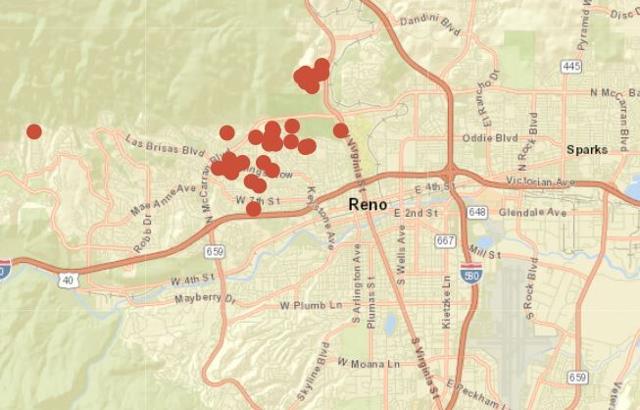
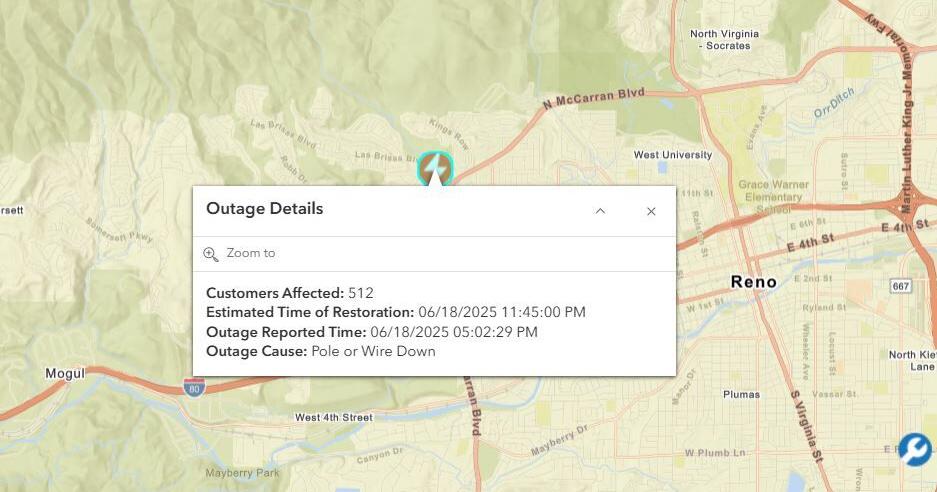
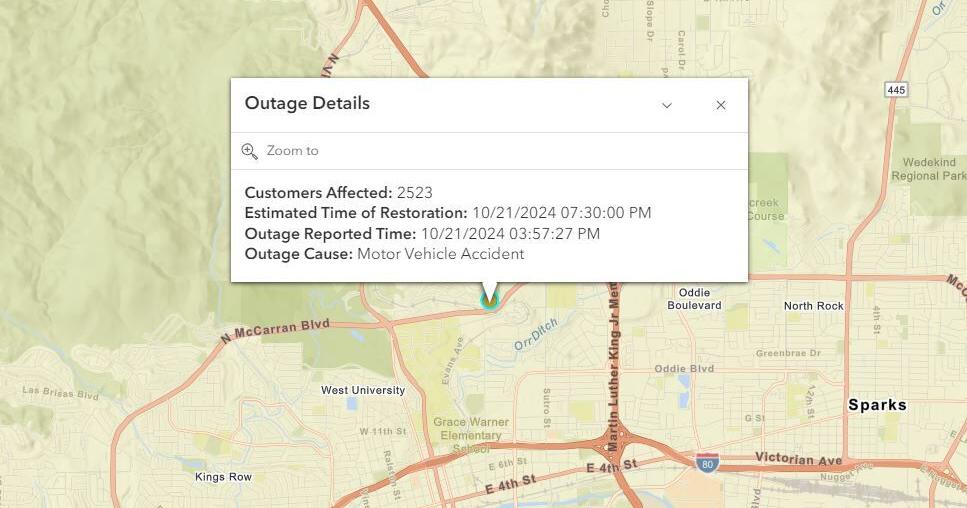
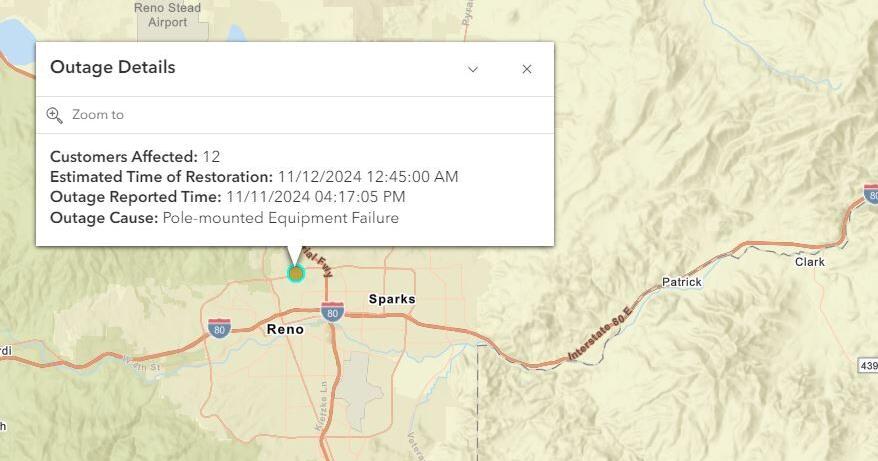
- Check the NV Energy Outage Map: NV Energy maintains a real-time online outage map that tracks active incidents, estimated restoration times, and the number of affected customers in the Reno-Sparks area.
- Sign Up for Alerts: You can register your mobile number or email with NV Energy to receive automated text or call updates regarding your specific service address.
- Report an Outage: If your lights go out and your neighbors still have power, your home may have a localized issue. Report it immediately via the NV Energy mobile app or by calling their customer service line.
Essential Steps During a Blackout
Video: Power outage affects thousands across Reno

Once you have reported the outage, focus on managing your home environment safely. Simple steps can prevent food spoilage, protect your appliances, and ensure your comfort.
1. Protect Your Food Supply
A closed refrigerator will keep food safe for about four hours. A full freezer will hold its temperature for roughly 48 hours if the door remains shut. Avoid opening them unnecessarily to let cold air escape.
2. Unplug Sensitive Electronics
Power surges frequently occur when electricity is restored. Unplug computers, televisions, and major appliances to protect them from voltage spikes. Leave a single light switch turned on so you will know immediately when power comes back.
3. Use Safe Lighting Alternatives
Rely on flashlights, battery-powered lanterns, and headlamps instead of candles. Open flames are a leading cause of accidental house fires during extended blackouts, especially in households with pets or children.
Preparing Your Reno Home in Advance
The best time to prepare for a blackout is long before the wind starts howling or a winter storm rolls in. Building a robust emergency kit ensures you are never caught off guard.
- Stock Non-Perishable Food and Water: Keep at least one gallon of water per person per day for a minimum of three days, along with a manual can opener and ready-to-eat meals.
- Invest in Backup Power: Portable power banks can keep your mobile devices charged. For longer outages, consider a gas or solar-powered generator, ensuring you always operate it strictly outdoors to avoid carbon monoxide poisoning.
- Keep Vehicles Fueled: Gas stations rely on electricity to pump fuel. Keep your car's gas tank at least half full during storm season so you can evacuate or charge devices if needed.
Staying Safe in Extreme Temperatures
Reno experiences freezing winter lows and scorching summer highs. Without grid power, your home’s climate control system stops working immediately.
During winter outages, dress in layers, seal drafts around doors and windows, and designate one central room for your family to gather in to body-heat share. In the summer, close your window blinds to block out direct sunlight, stay hydrated, and head to local public libraries, community centers, or air-conditioned public spaces if indoor temperatures rise to dangerous levels.
By staying informed, keeping your emergency supplies updated, and following basic safety protocols, you can navigate any power outage in Reno with confidence and calm.