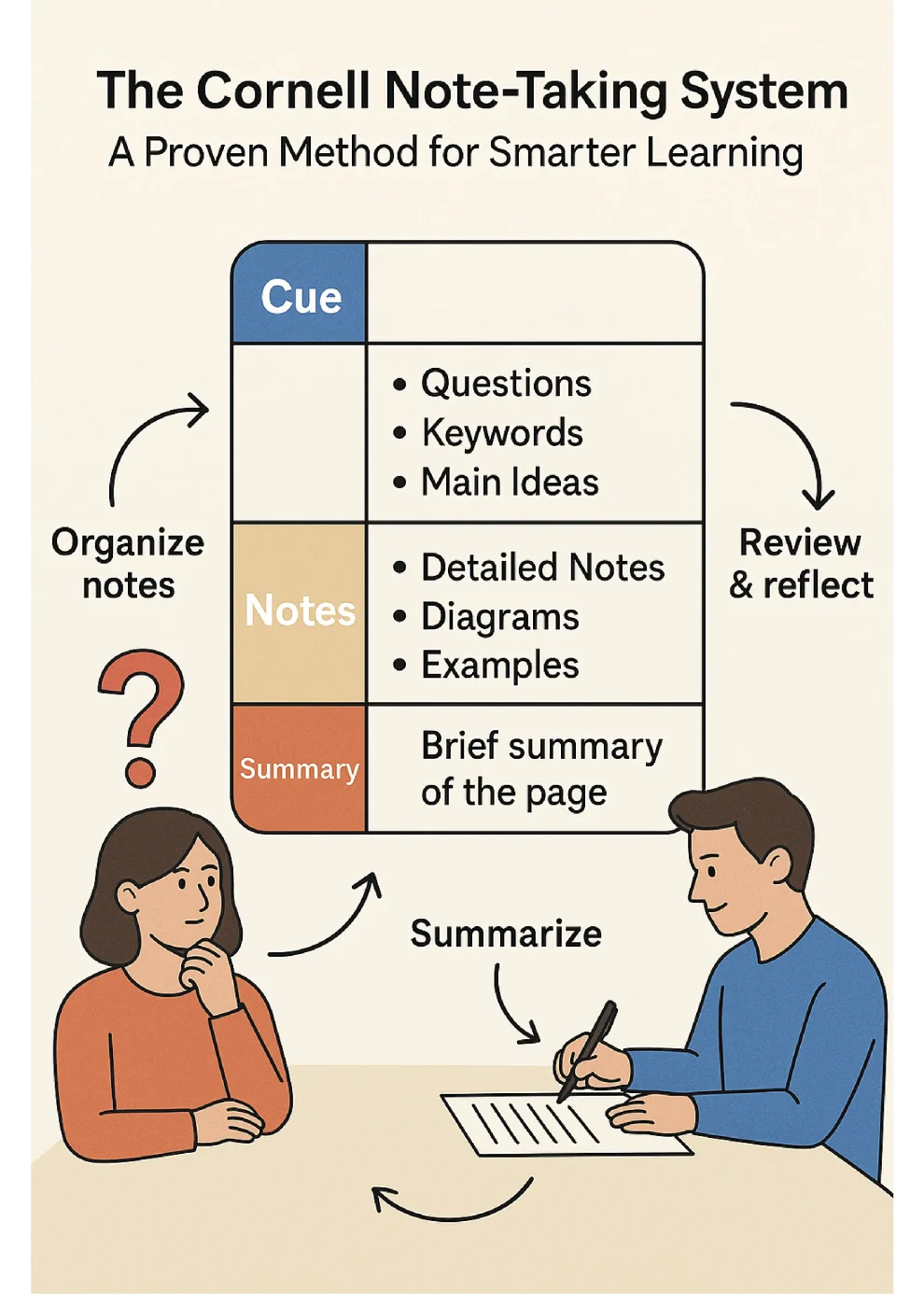
Cornell Scheduling System Explained for Freshmen
Cornell University's Scheduling System Explained for Freshmen
Arriving at Cornell University as a first-year student brings an incredible wave of excitement, but it also introduces academic processes that can feel overwhelming at first glance. Among the most critical milestones of your first semester is course enrollment. Navigating the digital architecture of the university can be daunting, which is why having Cornell University's scheduling system explained for freshmen is essential to securing the classes you need for your major and general education requirements.
Unlike high school, where counselors or automated software hand you a schedule, Cornell puts the driver's seat entirely in your hands. This guide breaks down the platforms, timelines, and strategies you need to build a balanced, successful college schedule without the last-minute panic.
The Core Tools: Student Center and Class Roster
Before you can enroll in a single class, you need to become intimately familiar with Cornell's primary administrative portals. You will use these websites throughout your undergraduate career.
The Cornell Class Roster
The Class Roster is your public catalog for all courses offered during a specific semester. You do not need to log in to use it. Here, you can search by subject, requirement type, time of day, or instructor. Each course entry provides critical details:
- Course ID and Number: Essential for identifying the exact section you want.
- Meeting Times and Locations: Tells you when and where the class meets.
- Prerequisites and Co-requisites: What you must take before or alongside the course.
- Enrollment Information: Seat limits, grading basis options (letter grade vs. S/U), and whether permission of the instructor is required.
Student Center
Hosted via Student Essentials, the Student Center is your secure, personal hub. This is where the actual mechanics of enrollment happen. Inside Student Center, you will manage your shopping cart, check your financial aid, view your official grades, and—most importantly—add and drop classes during your designated enrollment windows.
Understanding Enrollment Windows
Cornell does not let every freshman enroll in classes at the same second. Instead, the university uses tiered enrollment windows based primarily on your class standing (and occasionally lottery systems or specific college affiliations within the university).
For incoming freshmen, your first-semester enrollment usually happens over the summer, guided by your college advising office and pre-enrollment guidelines. For your second semester and beyond, you will receive a specific date and time in Student Center when your "enrollment appointment" opens.
Mark this time on your calendar down to the minute. Popular general education classes and introductory STEM courses fill up remarkably fast.
Video: Student Center and Scheduler
Step-by-Step Guide to Building Your Schedule

Building a successful schedule is an iterative process that requires patience and strategic planning. Follow these steps to prepare before your enrollment window opens.
1. Meet with Your Faculty Advisor
Prior to your enrollment window, you will have a mandatory advising meeting. Your advisor will help you understand your college's distribution requirements, major prerequisites, and a realistic credit load (usually 15 to 17 credits for a freshman). Listen to their advice; they know which professor combinations to seek out and which course loads might burn you out.
2. Use the Shopping Cart Feature
Weeks before enrollment opens, the Class Roster and Student Center allow you to add courses to a digital "Shopping Cart." Think of this as your staging area.
- Search for your desired lectures, discussion sections, and labs.
- Validate your cart to check for any obvious scheduling conflicts (two classes meeting at the exact same time).
- Build multiple backup schedules in case your first-choice sections fill up before your window opens.
3. Execute the Enroll Command
The moment your enrollment appointment arrives, log into Student Center, navigate to your Shopping Cart, select the courses you want, and click "Enroll." Double-check that you receive a green checkmark indicating successful enrollment rather than a red error message indicating a full section or missing prerequisite.
Navigating the Add/Drop Period
If you don't get every class you wanted on your first try, do not panic. The add/drop period—which takes place right before the semester begins and during the first few weeks of classes—is extremely dynamic.
Students constantly change their minds, drop classes, or shift majors. If a class you desperately need is full, use third-party notification tools or keep checking Student Center manually. Many students successfully drop into closed classes during the first week of lectures simply by attending the first class and asking the professor for a permission code or adding as seats open up.
Pro Tips for Freshman Scheduling Success
To wrap up our look at Cornell's scheduling ecosystem, keep these golden rules in mind as you map out your semesters:
- Mind the Campus Geography: Cornell’s campus is massive and vertical. Avoid scheduling back-to-back classes that require you to travel from the Arts Quad to the Vet School in a 10-minute passing period.
- Protect Your Sleep: Avoid 8:00 AM lectures unless you are genuinely a morning person. Ithaca winters make early morning trudges up the slope uniquely challenging.
- Keep Backups: Always have at least two alternative elective courses ready in your shopping cart on enrollment day.
By mastering the Class Roster, utilizing your Student Center shopping cart wisely, and staying in close contact with your academic advisor, you will navigate Cornell's scheduling system like a seasoned upperclassman from day one.