Corotos Motores: Buy & Sell Vehicles in DR
When shopping for a vehicle in the Dominican Republic, whether you are a local resident, an expatriate settling down, or an investor setting up local operations, corotos motores is one of the first terms you will encounter. As the dedicated vehicle marketplace within Corotos—the country's largest online classifieds network—this platform serves as the central hub for thousands of daily vehicle transactions across Santo Domingo, Santiago, Punta Cana, and beyond.

Navigating the local secondary automotive market can be challenging. Local pricing dynamics, unique legal requirements, and import histories mean buyers and sellers must exercise diligence. This comprehensive guide covers everything you need to know about navigating Corotos Motores, finding fair deals, and executing safe transactions from start to finish.
What Is Corotos Motores and How Does It Work?
Corotos launched in 2011 and rapidly established itself as the Dominican equivalent of platforms like Craigslist, Gumtree, or OLX. Within the platform, the "Motores" section is the most active and liquid category. It caters not only to private individuals selling daily drivers but also to independent car dealerships (dealers), commercial fleet operators, and parts vendors.
The platform organizes listings into clear categories to streamline your search:
- Automóviles / Carros: Sedans, hatchbacks, and coupes ranging from economical commuters to European luxury models.
- Jeepetas (SUVs & Crossovers): The most popular vehicle segment in the Dominican Republic due to varied road conditions and high ground clearance requirements.
- Camionetas & Camiones: Pickup trucks (such as Toyota Hilux and Isuzu D-Max) and heavy commercial haulers.
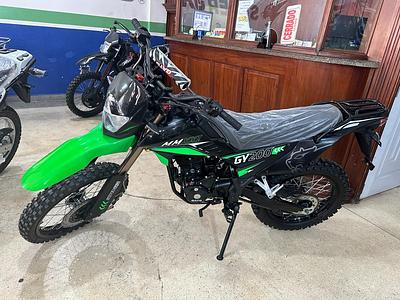
- Motocicletas: Commuter delivery bikes (motores / pasolas), commercial delivery fleets, and high-displacement touring bikes.
- Accesorios y Repuestos: OEM parts, aftermarket modifications, salvage components, and sound systems.
Finding the Best Deals on Corotos Motores
Because thousands of vehicles are posted each week, finding the right match requires more than casual browsing. Using targeted strategies helps you separate legitimate value from overpriced or problematic inventory.
1. Master the Search Filters
Do not browse broadly. Filter your search by province (e.g., Distrito Nacional, Santiago, La Altagracia) to avoid cross-country trips for viewings. Use narrow filters for fuel type (gasoline, diesel, or factory GLP/gas) and transmission (automatic vs. mechanical). If you are looking for long-term resale value, Japanese manufacturers—notably Toyota, Honda, and Nissan—command the highest resale values and best parts availability on the island.
2. Understand Currency Listings: DOP vs. USD
Listings on Corotos Motores frequently fluctuate between Dominican Pesos (DOP) and US Dollars (USD). High-end SUVs, luxury European imports, and vehicles sold through professional dealerships are often listed in USD, whereas private commuter car listings tend to display in DOP. Always double-check which currency is selected before contacting the seller, and calculate your budget using the prevailing central bank exchange rate.
3. Differentiate Private Sellers from "Dealers"
Private sellers generally offer more room for negotiation, but they sell strictly "as-is." Dealerships listing on Corotos may charge a small premium, but reputable dealers often assist with paperwork transfers, offer short warranties on the engine and transmission, and facilitate in-house or third-party bank financing (financiamiento disponible).
A Buyer's Checklist: Inspecting Vehicles Safely
The Dominican used vehicle market includes a significant volume of imported salvage-title cars from North America (commonly from auto auctions like Copart and Manheim). While many are rebuilt to high standards, others carry structural flaws or flood damage. Follow this inspection protocol before making an offer:

- Request the VIN (Chassis Number): Run an independent Carfax or AutoCheck report on any vehicle imported from the United States or Canada. Check for prior airbag deployments, severe frame damage, or flood history.
- Hire an Independent Mechanic: Never rely on visual appearance. Have a trusted mechanic perform a diagnostic scan (OBD-II), test the transmission under load, and verify that the air conditioning system holds pressure (a non-negotiable in the Caribbean heat).
- Inspect the Undercarriage: Coastal exposure in coastal areas can cause severe salt-air corrosion on underbody components, suspension arms, and brake lines.
- Verify Odometer Authenticity: Mileage rollback is not uncommon in unregulated markets. Compare the vehicle's interior wear (steering wheel, pedals, driver seat bolster) against the listed kilometers or miles.
Legal Due Diligence: Navigating Paperwork and the DGII
Finalizing a car purchase in the Dominican Republic involves distinct legal steps that differ from North American or European procedures. Overlooking documentation can result in inheriting unpaid fines, liens, or legal ownership disputes.
Verify the Matrícula
The matrícula is the official certificate of vehicle ownership issued by the Dirección General de Impuestos Internos (DGII). The seller's national identity card (Cédula de Identidad y Electoral) or passport must match the name on the matrícula exactly. If the seller claims to sell on behalf of a relative, insist on a notarized power of attorney (poder notarial).
Check for Active Liens (Oposición)
Before handing over any payment, verify whether the vehicle has an active oposición (lien) placed on it by a bank, a credit institution, or a judicial order. You can verify this directly via the DGII web portal using the license plate (placa) number and the owner's cédula.
Plan Piloto Verification
For added security, buyers and sellers often take the vehicle to the Plan Piloto (the vehicle theft division of the Dominican National Police). Officers verify that the chassis and engine stamps match factory records and have not been tampered with or reported stolen.
The Bill of Sale (Acto de Venta)
A vehicle transaction is legalized through an Acto de Venta drafted and signed before a registered Dominican Notary Public. After execution, the buyer pays the vehicle transfer tax (typically 2% of the vehicle value according to the DGII official valuation table) at the DGII to issue a new matrícula under their name.
Selling on Corotos: Tips for a Fast, Profitable Listing
If you are using Corotos to sell a vehicle, quality presentation dramatically reduces time on market and deters low-effort inquiries:
- High-Resolution, Daylight Photos: Photograph the exterior from all four three-quarter angles, the engine bay, tires/tread depth, dashboard with the engine running (to show no warning lights), and the upholstery.
- Transparent Descriptions: Clearly state the exact model year, transmission type, fuel type, maintenance history, and status of the current registration sticker (marbete). Disclosing minor cosmetic flaws up front builds buyer trust.
- Price Competitively: Search for identical makes and years on the site to calibrate your price. Price slightly above your walk-away figure to allow room for the standard local negotiation culture (rebaja).
- Personal Safety: Meet potential buyers during daylight hours in well-lit, public locations with surveillance, such as shopping mall parking lots or near bank branches. Never hand over the keys or original matrícula until funds have fully cleared in your bank account.
Summary: Is Corotos Motores Right for You?
Corotos Motores remains an essential, highly accessible marketplace for buying and selling vehicles in the Dominican Republic. Its wide inventory ensures competitive options across all budgets, from entry-level scooters to high-end SUVs. By approaching listings with standard mechanical skepticism, conducting thorough legal checks through the DGII, and closing transactions through certified notaries, you can navigate the Dominican automotive market with confidence and land a reliable vehicle at the right price.