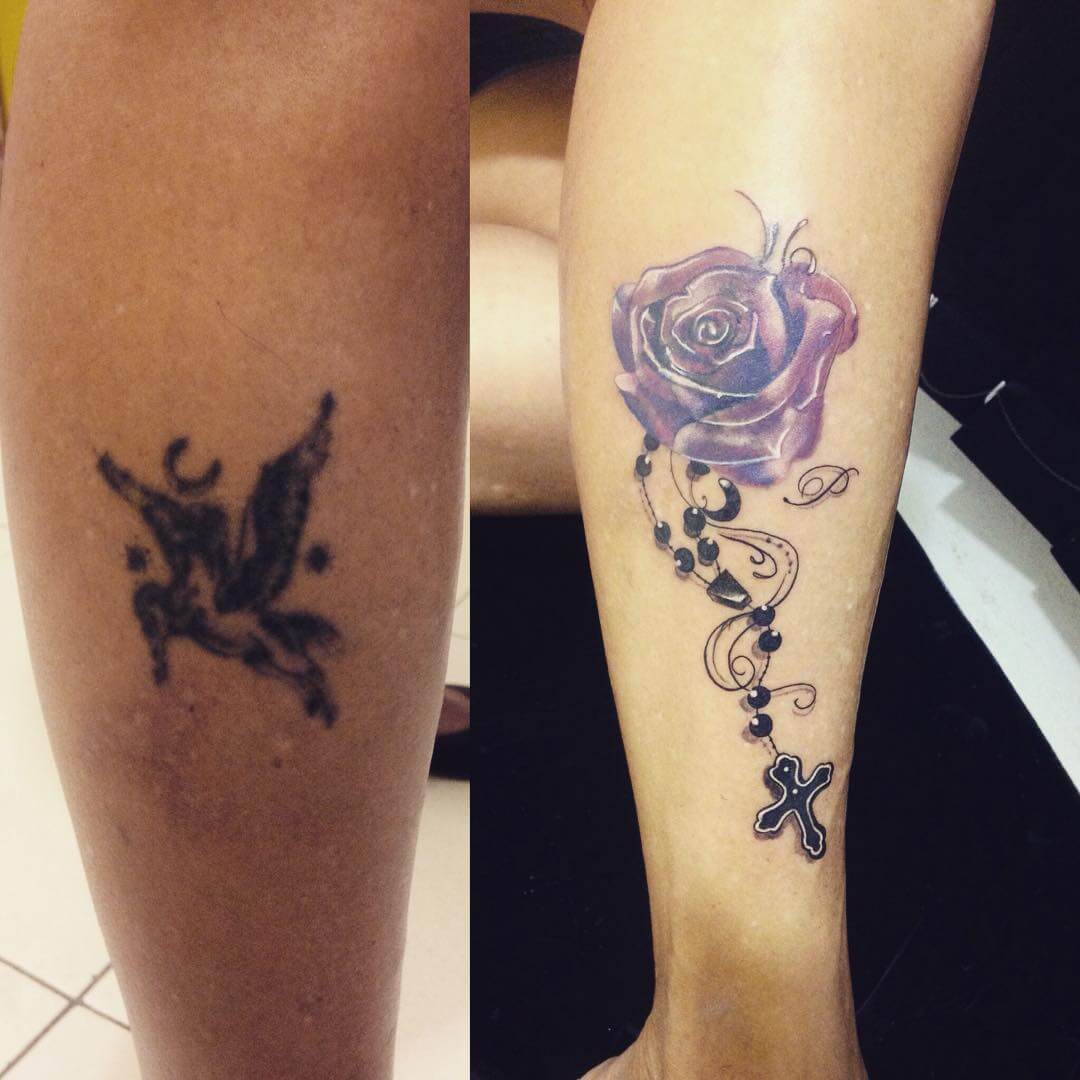
Cover Up Tattoo Ideas Female: 12 Smart Designs
Tastes change, artistic standards evolve, and names or motifs that felt meaningful a decade ago often lose their charm. If you find yourself hiding an outdated piece of ink beneath clothing, you are far from alone. When researching cover up tattoo ideas female clients frequently look for designs that balance complete concealment with feminine elegance, movement, and visual sophistication.

Transforming an unwanted tattoo requires more than simply stamping a darker image over an existing one. It demands an understanding of color theory, contrast, and clever compositional distraction. Below is a practical guide to the most successful cover-up concepts, along with essential technical insights every woman should know before sitting in the chair.
The Rules of Successful Tattoo Concealment
Before selecting a design, understanding how tattoo cover-ups work will save you time, money, and heartache. A cover-up does not paint over skin like drywall; tattoo pigment sits inside the dermis where old and new inks blend optically.
- The Size Multiplier: A successful cover-up generally needs to be two to three times larger than the original piece. Extra negative space around the troubled area draws the eye away from the dense pigment required to mask the old work.
- Color Saturation: Black, deep navy, rich purples, dark greens, and saturated magentas cover best. Pastels and light yellows cannot overpower old black or grey pigment.
- Visual Texture: Detailed, textured imagery acts as camouflage. Crisp geometric lines, leaf veins, animal fur, or petals break up the silhouette of the underlying tattoo, confusing the viewer's eye.
Stunning Cover Up Tattoo Ideas Female Clients Love
The following design concepts deliver maximum camouflage while offering rich aesthetics that stand independently as genuine works of art.
1. Dark Botanical Florals
Florals remain the most versatile solution for female cover-ups. Because petals naturally overlap, curl, and feature gradient shadows, artists can place the darkest centers directly over old ink while letting soft, delicate edges bleed into clean skin.
- Blackwork Peonies: The lush, rounded layers of peony petals provide dozens of overlapping folds, making them ideal for obscuring lettering or dark symbols.
- Midnight Roses: Deep crimson, plum, or black roses feature heavy shading in their core, which easily masks stubborn black outlines.
- Wildflower Clusters: Combining dense dark berries, fern fronds, and textured leaves creates an organic shape that disguises asymmetrical or oddly placed old tattoos.
2. Nocturnal and Winged Wildlife
Wildlife motifs naturally incorporate dense textures like feathers, scales, and fur, which provide superior visual disruption.
- The Black Raven or Crow: Ravens carry a powerful, mystical aesthetic. The layered plumage of their wings allows for heavy, solid black application right where coverage is needed most.
- Death's Head Hawkmoth: Moths naturally fit horizontal placements like the sternum, lower back, or upper back. Their intricate wing patterns, dark bodies, and fuzzy textures effectively mask older script or tribal designs.
- Owls: With multi-toned feather coats and large, piercing eyes, an owl tattoo anchors the gaze on the face while the shadowed wings swallow underlying lines.
3. Ornamental Mandalas and Blackwork Lace
If you prefer non-representational art, ornamental blackwork is a high-impact choice. Mandalas and lace patterns use repeating geometry to establish strong focal points.
Tattoo artists utilize dense dotwork (stippling) and solid black geometric bands across the center of the old ink, transitioning into delicate filigree, lace fringes, and teardrop beads on untouched skin. This technique works exceptionally well on wrists, shoulders, and along the spine.
4. Aquatic Creatures and Ocean Themes
Marine life offers fluid, winding shapes that can be customized to cover awkward, elongated tattoos such as vertical script or forearm quotes.
- Octopus or Squid: Tentacles can twist, curl, and suction-cup across any problem area. Their natural patterns and deep oceanic hues (indigo, violet, charcoal) swallow old ink effortlessly.
- Japanese Koi: In Japanese traditional tattooing, heavy black-and-grey wind bars, crashing waves, and dark water backgrounds are frequently used to bury old tattoos beneath vibrant swimming koi.
5. Neo-Traditional Vignettes

Neo-traditional tattoos combine the structural strength of bold American traditional lines with modern color palettes and illustrative depth. Popular female-friendly concepts include:
- A framed crystal ball shrouded in heavy midnight smoke.
- Jeweled daggers piercing deep velvet ribbons or dark fruit.
- Gothic portraits featuring shadowed hair, veiled faces, and ornate headwear.
Strategic Approaches for Common Problem Tattoos
Different types of old tattoos require distinct approaches. Here is how to handle the most common cover-up challenges:
Ex-Names and Script Tattoos
Lettering typically leaves harsh, dark lines with open spaces in between. Placing a simple solid bar over a name looks awkward. Instead, use an image that contains high-contrast textural flow—such as a coiled snake with patterned scales or a leafy botanical branch where the stems follow the original direction of the words.
90s Lower Back Tattoos
Vintage lower back designs tend to be wide, horizontal, and heavily saturated in solid black. Converting these requires an expansive piece. Sweeping wings, soaring birds, or a symmetrical arrangement of large flowers flanked by dark foliage provide the necessary spread to balance the lower torso.
Small Finger and Wrist Symbols
Tiny symbols or initials on delicate areas can become muddy if overloaded with heavy ink. On the wrist, extending the tattoo into a botanical cuff or a detailed bracelet design ensures the cover-up appears intentional rather than crammed. On fingers, laser fading is often recommended before attempting a cover-up to prevent ink blowout.
When to Consider Laser Lightening First
While skilled artists can achieve incredible transformations, a completely pitch-black, raised tattoo gives an artist limited options. In such cases, committing to two or three laser tattoo removal sessions can be transformative.
You do not need to endure the dozens of sessions required to erase the ink completely. Lightening the piece by just 40% to 50% breaks down stubborn carbon pigments, allowing your artist to use lighter hues, softer shading, and creative negative space instead of forcing them into solid blackwork.
Choosing the Right Cover-Up Artist
Cover-up work is a specialized discipline within tattooing. Not every fantastic tattoo artist is equipped for the technical puzzle of concealing old work.
- Review Healed Cover-Up Portfolios: Always ask to see healed photos, not just fresh ones. Fresh ink can hide an old tattoo temporarily, but as the skin heals, the old pigment can show through if the cover-up wasn't applied with proper depth and opacity.
- Be Flexible with Your Concept: The greatest obstacle to a great cover-up is client rigidity. Trust your artist when they tell you a specific color won't work or that the design must be larger than you anticipated.
- Expect Multiple Sessions: Deep cover-ups frequently require a second pass. Once the first layer heals, small ghost shadows of the old tattoo may peek through, requiring a touch-up session to ensure complete, seamless concealment.
An unwanted tattoo does not have to be a permanent regret. By collaborating with a skilled specialist and embracing bold, textured, and deeply shaded motifs, you can turn an outdated design into an empowering centerpiece you are proud to display.