Cracking the IQ Code: Debunking Common Myths
For over a century, intelligence quotient (IQ) tests have captured the public imagination. They are used in employment screenings, clinical psychology, and educational placements. Yet, despite their widespread use, widespread misunderstandings persist. When we talk about Cracking the IQ Code: Debunking Common Myths About Average Scores, we enter a realm where pop culture collides with rigorous psychometrics.

Many people view an IQ score as a definitive measure of human worth or lifelong potential. In reality, these numbers represent a narrow snapshot of specific cognitive skills at a given moment. To truly understand intelligence, we must separate statistical fact from cultural fiction.
Understanding the Baseline: What Is an Average IQ Score?
Before debunking specific myths, it helps to understand how IQ tests are constructed. Modern intelligence tests—such as the Wechsler Adult Intelligence Scale (WAIS) or the Stanford-Binet—are standardized. This means they are administered to a massive, representative sample of the population to establish a baseline.
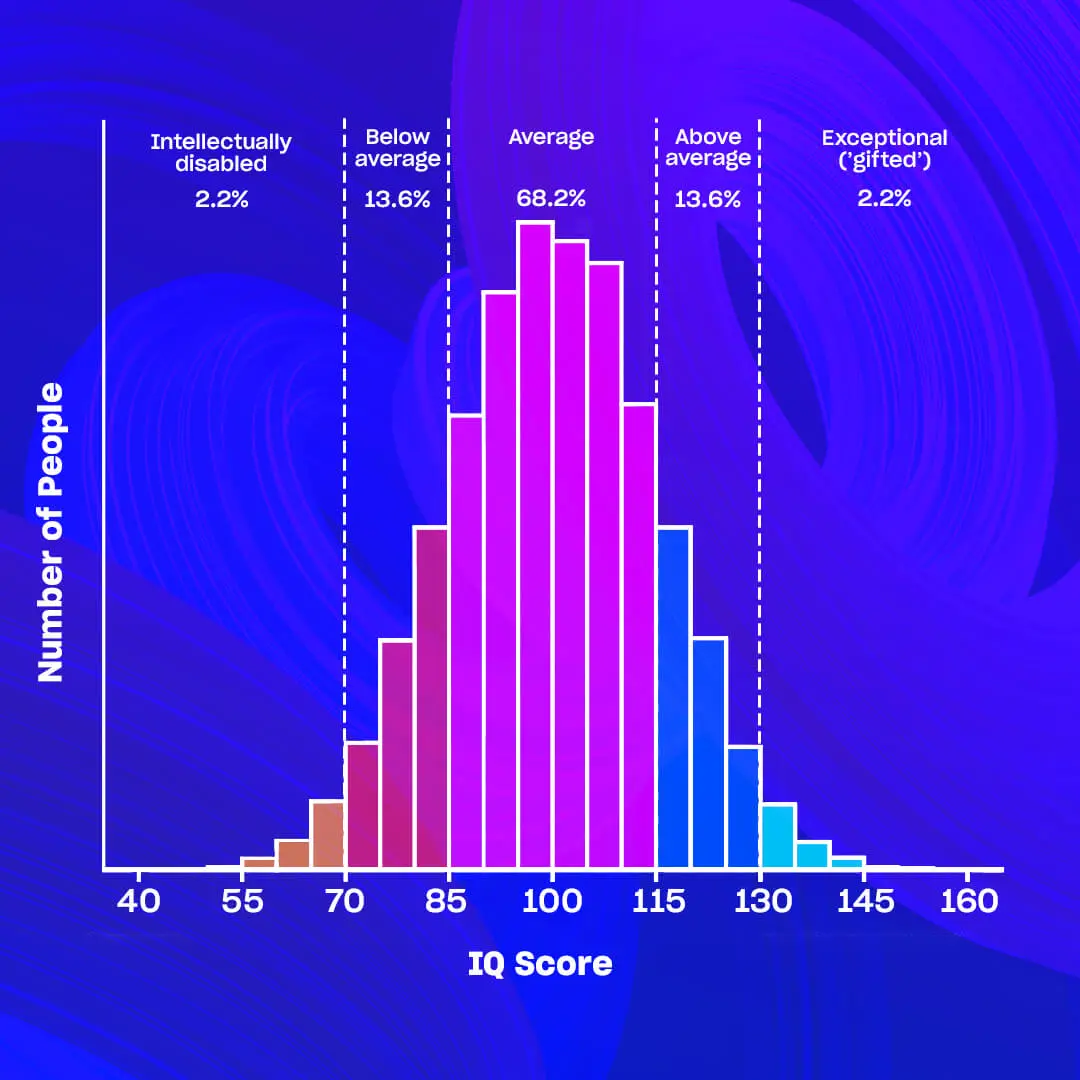
The standard statistical distribution of these scores forms a bell curve, known as a normal distribution. In this framework:
- The median or average score is set at 100.
- The standard deviation is typically 15 points.
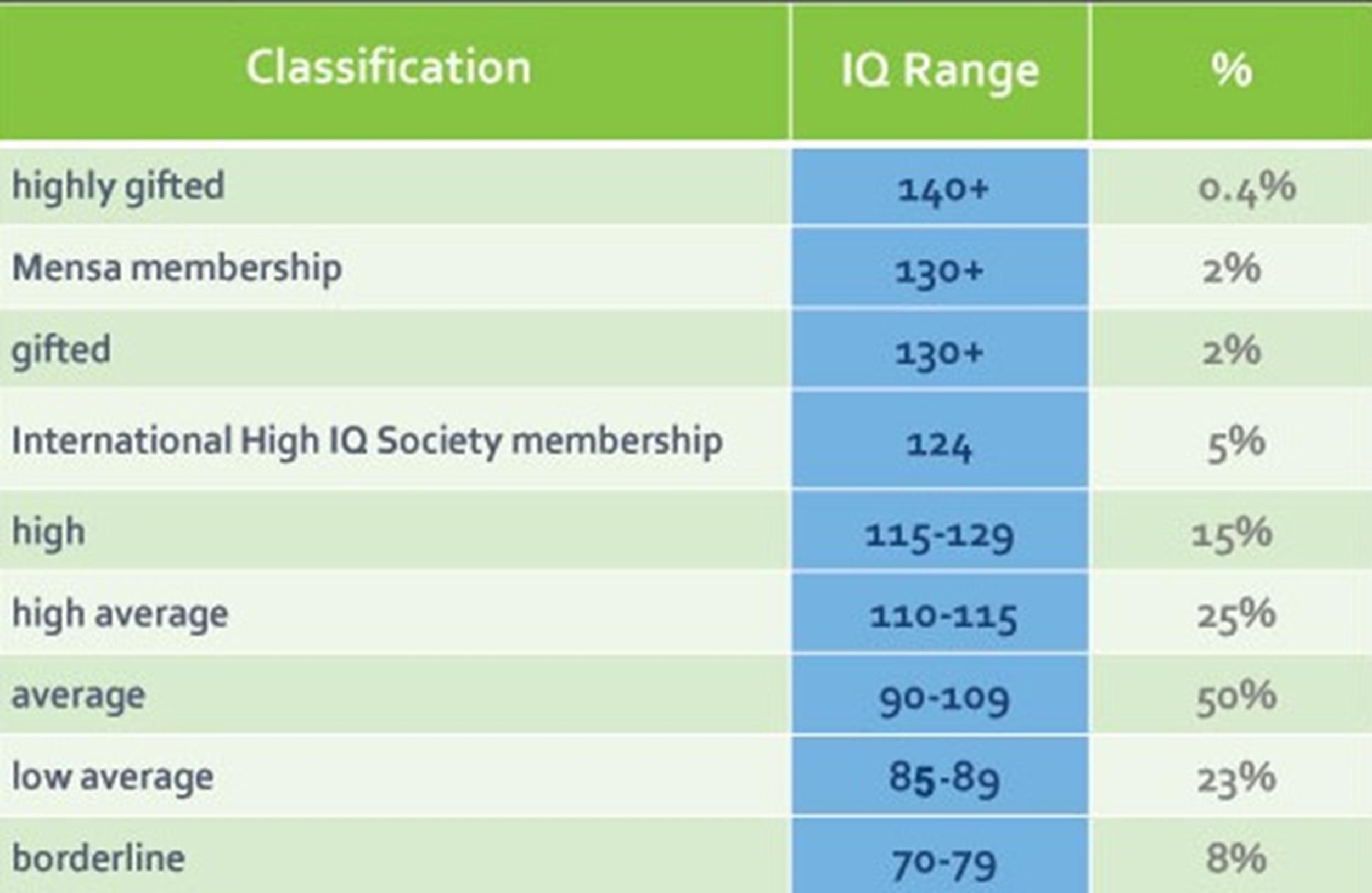
- Approximately 68% of the population scores within one standard deviation of the average, landing between 85 and 115.
- About 95% of people fall within two standard deviations, scoring between 70 and 130.
Understanding this mathematical foundation is crucial for dismantling the misconceptions that follow.
Myth 1: An Average Score Means Mediocrity in Life
One of the most damaging myths is that scoring in the average range (85 to 115) equates to a mediocre or uninspired life. This assumption fundamentally misunderstands what IQ tests measure.
IQ tests evaluate specific cognitive domains, including working memory, processing speed, verbal comprehension, and perceptual reasoning. They do not measure:
- Emotional intelligence (EQ)
- Creativity and artistic talent
- Drive, grit, and resilience
- Interpersonal and communication skills
- Practical, street-smart problem solving
History is filled with individuals of average measured intelligence who achieved extraordinary success through hard work, social acumen, and creative vision. Conversely, a high IQ is no guarantee of professional or personal fulfillment.
Myth 2: IQ Scores Are Fixed and Unchangeable for Life
Another prevalent belief is that your IQ score is stamped onto your brain at birth, remaining entirely static throughout your lifetime. Psychometric research paints a more dynamic picture.

While general intelligence exhibits a high degree of stability from late childhood through adulthood, scores can and do fluctuate. Factors that influence these shifts include:
- Educational quality: Access to rigorous schooling significantly boosts cognitive test performance.
- Environmental enrichment: Mentally stimulating careers, hobbies, and social environments keep the brain agile.
- Health and nutrition: Chronic stress, poor nutrition, sleep deprivation, and certain medical conditions can temporarily or permanently depress cognitive function.
Furthermore, children often experience shifts in their relative scores as they develop at different rates compared to their peers.
Myth 3: IQ Tests Are Completely Culture-Free
Early creators of intelligence tests hoped to design a truly universal measure of human intellect. However, eliminating cultural bias has proven nearly impossible.
Many IQ test items rely heavily on formal education, vocabulary, and culturally specific idioms. A person who grew up in an isolated rural community or immigrated to a new country with a different language may score lower not due to a lack of raw cognitive potential, but due to unfamiliarity with the cultural references embedded in the questions.
Modern psychologists strive to use non-verbal tests (such as matrices) to minimize these biases, but cultural and socioeconomic factors still exert a measurable influence on test outcomes.
Myth 4: A Single Number Captures the Full Scope of Human Intelligence
Perhaps the biggest myth of all is the idea of 'g'—general intelligence—as a single, all-encompassing metric that dictates a person's value. Contemporary psychology increasingly favors multi-factor models of intelligence.
Howard Gardner’s theory of multiple intelligences, for instance, suggests that humans possess diverse cognitive strengths, ranging from musical and bodily-kinesthetic abilities to interpersonal intelligence. While standard IQ tests remain useful clinical and educational tools for predicting certain types of academic and occupational performance, they tell an incomplete story.
Conclusion: Looking Beyond the Score
Intelligence is far too complex, multifaceted, and fluid to be neatly summarized by a single three-digit number. While average IQ scores serve a valuable statistical purpose in research and clinical settings, they should never be used to define a person's limits or potential. By understanding the science behind the tests and letting go of persistent myths, we can appreciate the true, diverse spectrum of human capability.