Cracking the NYT Crossword: A Seattle Solver's Guidebook
Cracking the NYT Crossword: A Seattle Solver's Guidebook

There is a distinct ritual to solving the New York Times Crossword in the Pacific Northwest. Whether you are claiming a corner booth at an independent Capitol Hill coffee shop with a fresh pour-over, riding the Link light rail down to Pioneer Square, or simply sheltering in place from an autumn drizzle in Ballard, the daily puzzle offers a grounding, cerebral routine. For locals, mastering the grid requires a mix of standard crossword vocabulary and a keen eye for how regional culture intersects with standard grid conventions.
While Will Shortz and his team of editors curate puzzles for a global audience, every puzzle solver brings their own geographic and cultural lens to the grid. This guide explores tactical approaches to sharpening your solving skills, contextualizing clues through a regional lens, and building a sustainable daily puzzle habit.
Understanding the Anatomy of the Grid
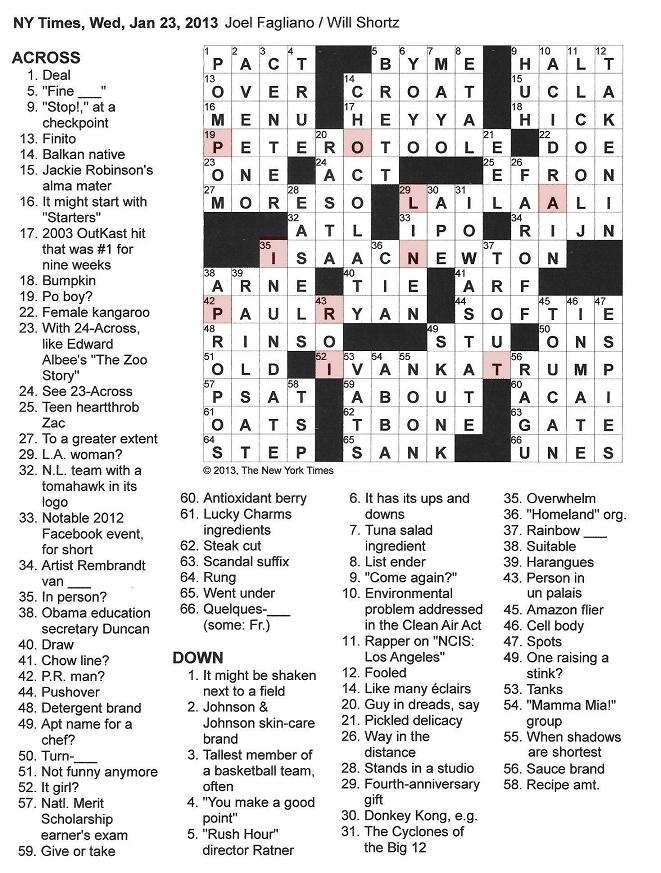
Before diving into local strategies, it helps to review the structural rhythm of the week. The New York Times Crossword increases in difficulty from Monday to Saturday, culminating in the notoriously challenging Sunday themed puzzle. Approaching the grid without understanding this progression is a recipe for frustration.
The Monday-to-Wednesday Baseline
Early-week puzzles rely heavily on straightforward definitions, common pop culture, and standard crosswordese—those ubiquitous three-letter words like OREO, EEL, and ERA. For a Seattle solver, these days are about building momentum. Treat them as a warm-up, focusing on quick ink-ins and establishing a steady rhythm without overthinking the clues.
The Thursday-to-Saturday Shift
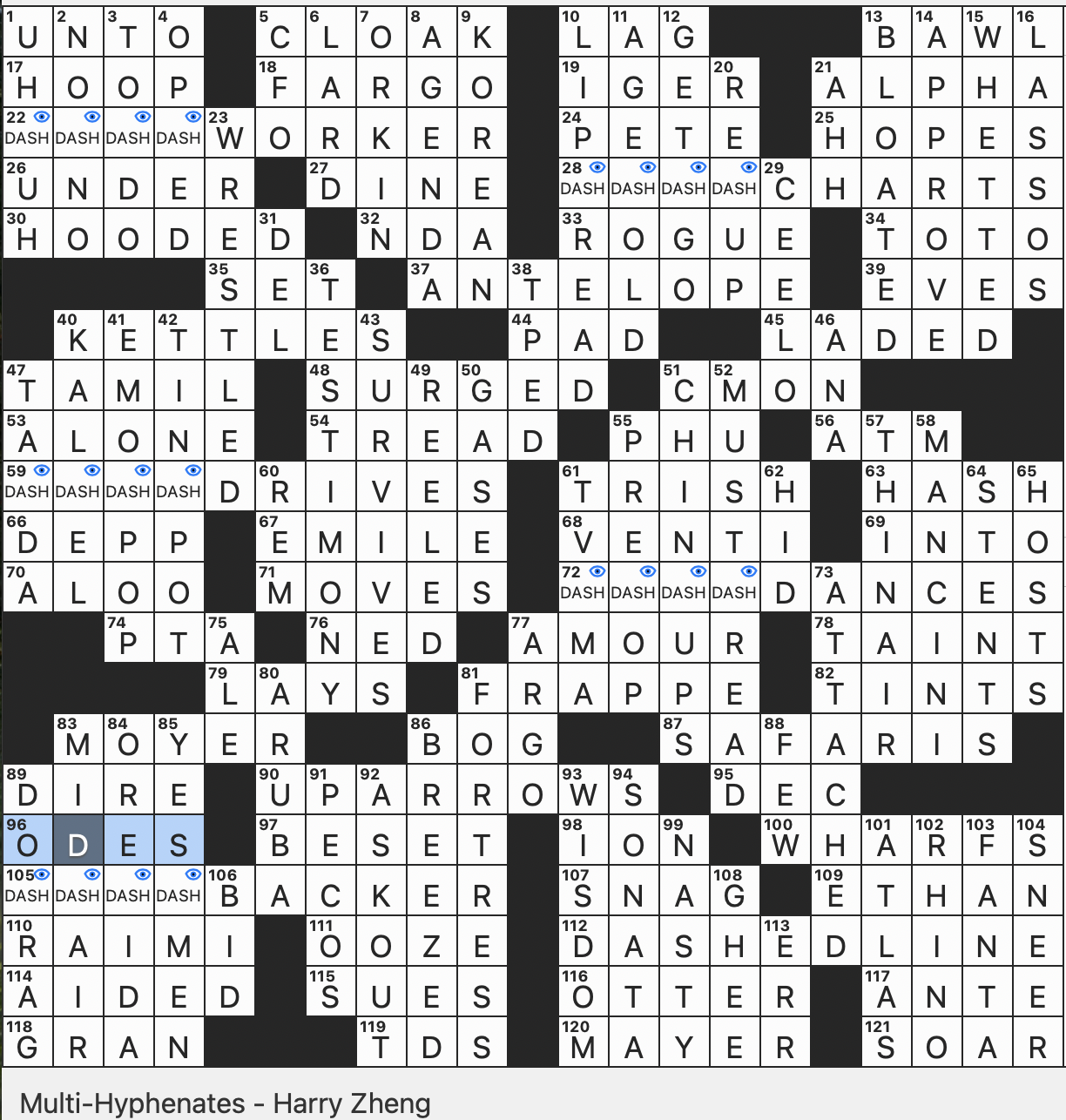
As the week progresses, wordplay takes center stage. Thursdays are famous for their structural gimmicks—where answers might bend around squares, require silent letters, or rely on rebus entries. Fridays and Saturdays strip away the themes entirely, replacing them with devilish puns, misleading misdirection, and obscure trivia. This is where your regional toolkit and broader general knowledge must kick in.
Developing Your Seattle Solver Toolkit
Every region has its own shorthand, and the Pacific Northwest is no exception. While you won't always find hyper-local answers, understanding how geography influences puzzle curation can give you an edge when dealing with regional clues.
Regional Geography and History Clues
When the grid ventures into the Pacific Northwest, certain entries tend to repeat. Keep these common answers in your mental rolodex:
- Bodies of water: PUGET (Sound), LAKE (Washington), SALISH (Sea).
- Flora and Fauna: ORCA, CEDAR, FIR, SLUG (as in the iconic banana slug).
- Local Figures and Institutions: BOEING, GATES, HENDRIX, COBAIN.
- Geography: SEATTLE, TACOMA, OLYMPIA, CASCADES.
Recognizing these patterns early allows youusing them as reliable anchor points across the center of the grid.
The Coffee Shop Advantage
Solving in public spaces like Seattle's thriving café culture offers a psychological boost. The low ambient hum of espresso machines and community chatter provides an ideal white noise for deep focus. If you get stuck on a tricky cross, taking a five-minute break to gaze out the window at the rain often resets your brain, letting you spot a missed pun upon your return.
Practical Strategies for Lowering Your Solve Times
If you want to move from a casual solver who relies on the check button to a speed demon who finishes Saturday grids unaided, you need deliberate practice.
1. Never Die on a Single Square
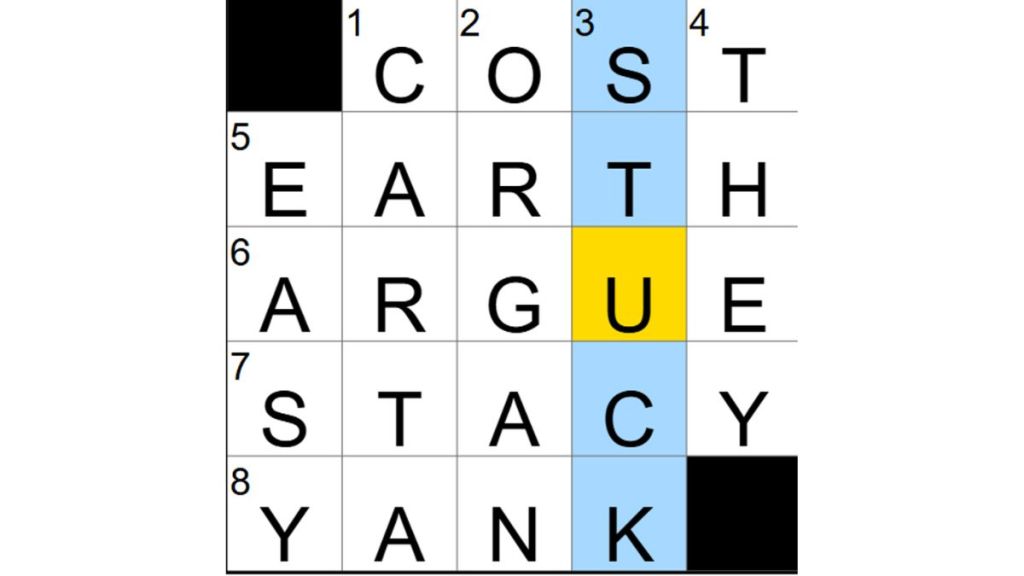
The cardinal sin of crossword solving is staring at a single intractable intersection for twenty minutes. If a cross isn't yielding, abandon it. The beauty of a crossword is its interconnectedness; an answer you need will almost certainly be revealed by solving the perpendicular entries.
2. Master the Question Mark
When you see a clue ending in a question mark, immediately shift your mindset into high alert. It signals that the clue is employing wordplay, punning, or misdirection. For example, if a clue reads "Seattle institution, for short?" followed by a question mark, your brain should pivot away from literal architecture and consider local slang, shorthand, or abbreviations.
3. Learn Common Crosswordese Wisely
No one loves writing in ARCO, ETTE, or ALOU, but accepting these recurring filler words is part of the craft. Instead of groaning, use them as scaffolding. When you see a four-letter word ending in a vowel defined as "Spanish river," your pen should instinctively move toward RIO or EBRO.
Building a Sustainable Puzzle Habit
Ultimately, cracking the NYT Crossword is a marathon, not a sprint. Some days, a Monday puzzle will inexplicably stump you, while a Friday grid will fall into place in under ten minutes. Embrace the variance. Keep a pen handy, support your local coffee shops, and enjoy the quiet satisfaction of filling that final, elusive white square.