Craftsman Self Propelled Lawn Mower 190cc Guide
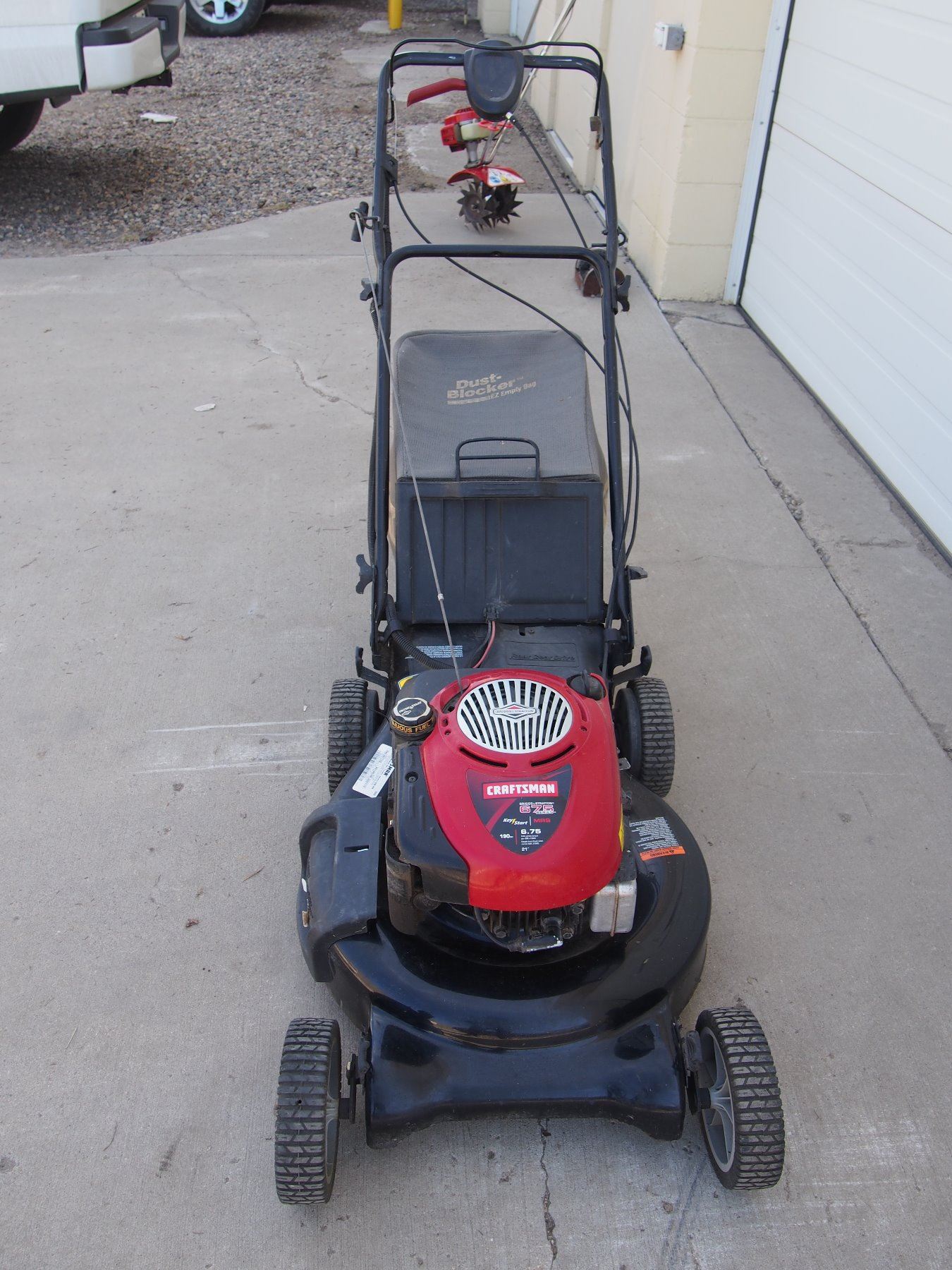
When it comes to maintaining a medium to large-sized yard, having reliable equipment makes all the difference. For years, homeowners have relied on gas-powered walk-behind mowers to handle thick grass, uneven terrain, and rolling hills. Among the most popular configurations in this category is the craftsman self propelled lawn mower 190cc. Packing a punch under the hood and offering variable-speed propulsion, this machine bridges the gap between residential ease-of-use and commercial-grade muscle.

Whether you recently inherited one of these mowers, purchased a used model, or are trying to keep your trusty older machine running smoothly, understanding its core specifications and maintenance needs is vital. In this guide, we will break down what makes the 190cc Craftsman platform special, how to maintain it, and how to troubleshoot common issues.
Understanding the 190cc Craftsman Platform
The "190cc" designation refers to the engine displacement, typically manufactured by Briggs & Stratton, Honda, or Kohler depending on the specific production year and model tier (such as the Craftsman Gold or Platinum series). With 190 cubic centimeters of displacement, these engines deliver significantly more torque than standard 140cc or 150cc alternatives. This extra power prevents the mower from bogging down when you encounter tall, damp grass or clover patches.
Key Features of the 190cc Self-Propelled Model
- Engine Power: The 190cc four-stroke overhead valve (OHV) engine runs on standard unleaded gasoline without requiring oil-gas mixing.
- Drive System: Front-wheel drive (FWD) or rear-wheel drive (RWD) systems handle propulsion, letting the machine do the heavy lifting while you guide it.
- 3-in-1 Deck Capability: Most models are equipped to mulch, bag, or discharge grass clippings out of the side.
- Deck Size: Typically featuring a 21-inch cutting deck, providing an efficient balance between maneuverability and mowing width.
Routine Maintenance for Peak Performance
Gas-powered lawn mowers require regular upkeep to ensure easy starts and a clean cut. Because the 190cc engine works hard season after season, sticking to a proactive maintenance schedule is essential.
1. Oil Changes
Change the engine oil at least once per season, or after every 50 hours of operation. To do this safely:
- Run the engine for a few minutes to warm the oil, making it flow more freely.
- Disconnect the spark plug wire to prevent accidental starting.
- Tip the mower sideways (with the air filter and carburetor facing up to prevent oil from flooding them) or use a siphon pump.
- Replace with the recommended oil viscosity, typically SAE 30 or 10W-30 depending on ambient outdoor temperatures.
2. Air Filter Inspection
The paper element or foam pre-cleaner traps dust and debris from entering the combustion chamber. Tap out loose grass clippings regularly. If the paper element is heavily soiled or soaked in oil, replace it immediately to prevent fuel starvation.
3. Spark Plug Maintenance
Remove the spark plug annually. Check the electrode gap—usually set to 0.30 inches—and clean away carbon buildup with a wire brush. If the tip is heavily eroded, swap it out with a fresh resistor spark plug.
4. Blade Sharpening
A dull lawn mower blade tears grass blades rather than slicing them cleanly, leading to brown, ragged tips that invite lawn diseases. Remove the blade annually, secure it in a vise, and file the cutting edge to a sharp angle matching the factory bevel.
Troubleshooting Common 190cc Craftsman Mower Issues
Even well-maintained mowers can experience hiccups. Here is how to diagnose and fix the most frequent problems associated with this platform.
Engine Won't Start
If you pull the cord and nothing happens, check the basics first:
- Fuel Quality: Gas older than 30 days degrades and gums up the carburetor. Drain stale fuel and add fresh gasoline mixed with a fuel stabilizer.
- Spark Plug Connection: Ensure the boot is firmly snapped onto the spark plug terminal.
- Safety Brakes: Verify that the bail bar (operator presence control lever) on the upper handle is pulled completely tight against the handlebar to disengage the engine brake.
Self-Propelled Drive Not Engaging
If the engine runs fine, but the wheels refuse to turn when you squeeze the drive lever, the problem usually lies in the cable tension or the transmission belt.
- Cable Adjustment: Over time, the drive cable stretches. Look for an adjustment nut or barrel on the drive cable housing and tighten it to take up the slack.
- Debris Buildup: Grass clippings and mud can pack tightly around the rear axle and pinion gears. Remove the rear wheel covers and clean out any compacted debris.
- Worn Belts: If the transmission belt slips or has snapped (located underneath the mower deck protective cover), it will need to be replaced.
Conclusion
The craftsman self propelled lawn mower 190cc is a workhorse designed to last for decades if given proper care. By keeping up with basic seasonal maintenance—fresh fuel, clean oil, sharp blades, and properly adjusted drive cables—you can enjoy a pristine lawn without breaking a sweat. Treat your machine right, and it will effortlessly power through your yardwork spring after spring.


