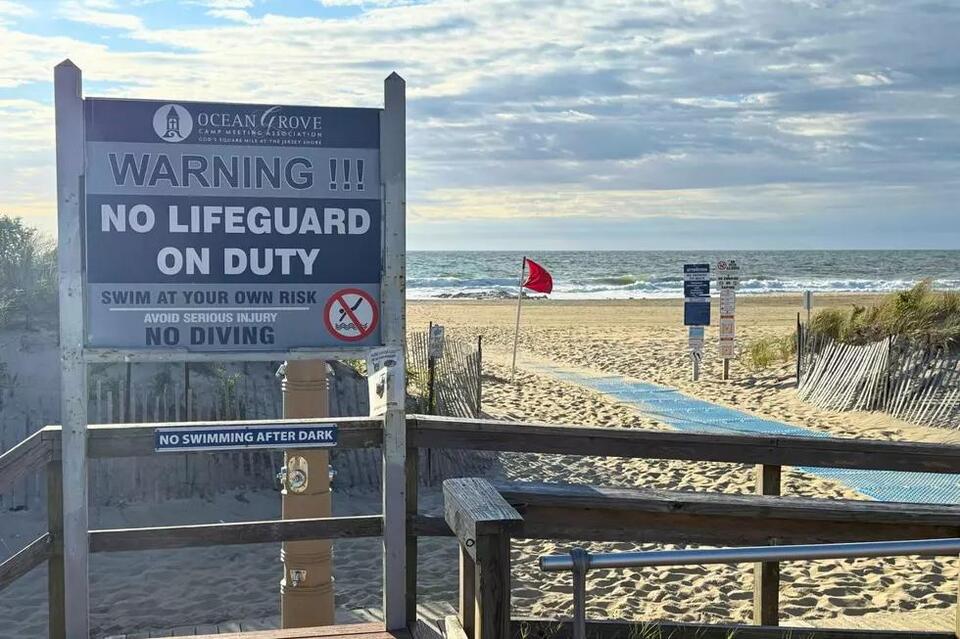
Crawling New Jersey Coastline Safely: A Guide
Introduction to New Jersey Coastal Exploration

The Jersey Shore spans roughly 130 miles of diverse Atlantic coastline, featuring barrier islands, sprawling salt marshes, rugged jetties, and bustling boardwalks. While many visitors experience the shore from a beach towel, a growing number of outdoor enthusiasts prefer exploring on foot, traversing the sandy expanse from Sandy Hook down to Cape May. However, undertaking this kind of journey requires more than just a sense of adventure. Crawling New Jersey coastline safely demands careful preparation, an understanding of local geography, and constant vigilance regarding changing weather and tides.
Whether you are planning a multi-day beach backpacking trip or a long weekend trek exploring rocky sea walls and tidal inlets, safety must remain your top priority. This guide covers the essential strategies you need to protect yourself, respect the environment, and enjoy every mile of the Garden State's dynamic shore.
Understanding Tides and Beach Geography
The single most important factor in coastal exploration is water movement. The Atlantic Ocean dictates the rhythm of the beach, and failing to respect the tide schedule can quickly turn a pleasant walk into a dangerous situation.
Timing Your Trek Around High Tide
Many stretches of the New Jersey coast narrow significantly—or disappear entirely—during high tide, pushing walkers up against dunes, sea walls, or riprap. Before setting out, always consult a reliable local tide chart. Plan your daily itinerary so that you are traversing narrow passages or rocky jetties during low tide. Walking on hard-packed sand near the water's line is generally easier on the legs, but you must keep a watchful eye on incoming sets that can wet your gear or trap you against bulkhead barriers.
Navigating Inlets and Jetties
New Jersey features numerous tidal inlets, harbors, and engineered stabilization structures like groins and jetties. Never attempt to swim across active inlet channels, as severe tidal currents make them notoriously dangerous. Instead, utilize established bridges, ferries, or designated detours. When walking past rock jetties, watch your footing; wet seaweed and algae make granite boulders exceptionally slippery.
Essential Gear for Coastal Hiking
Walking on sand presents a different physical challenge than hiking on dirt trails. Shifting surfaces strain your ankles, calves, and feet differently, making proper equipment vital.
- Footwear: While barefoot walking is tempting, a rugged coastal trek requires protection against broken shells, discarded fishing hooks, and hot sand. Trail runners, water shoes with thick soles, or lightweight hiking boots work best. Avoid heavy leather boots that trap wet sand.
- Sun Protection: The ocean glare amplifies UV rays. Pack broad-spectrum sunscreen (SPF 30+), polarized sunglasses, and a wide-brimmed hat. UV-blocking long sleeve shirts will save you from painful sunburns.
- Hydration and Nutrition: Dehydration happens quickly in salty, windy coastal environments. Carry at least three liters of fresh water, as freshwater refill stations can be scarce along isolated barrier island stretches.
- Navigation Tools: Bring a waterproof map, fully charged smartphone with offline GPS capabilities, and a portable power bank. Coastal fog can roll in rapidly, reducing visibility to mere yards.
Coping with Weather and Environmental Hazards
The Atlantic coast has a microclimate of its own. Weather patterns can shift from clear skies to violent thunderstorms in a matter of minutes.
Monitoring Thunderstorms and Wind
Summer thunderstorms bring dangerous cloud-to-ground lightning, which poses a severe threat on flat, open beaches. If you hear thunder or see darkening clouds moving inland, seek permanent shelter immediately. Avoid standing near isolated lifeguard stands, metal umbrellas, or tall dunes. Additionally, high coastal winds can kick up stinging sand and make progress exhausting.
Respecting Wildlife and Dunes
New Jersey's coastline is a vital ecosystem for marine life and nesting birds.
- Dune Protection: Never walk on sand dunes or trample sea oats. Dunes are fragile natural barriers that protect coastal communities from storm surges, and stepping on them destroys the root systems holding the sand in place.
- Coastal Wildlife: You may encounter horseshoe crabs, seals hauled out on sandbars, or nesting shorebirds like the Piping Plover. Keep a respectful distance and never disturb wildlife. Stay alert for stinging jellyfish in the surf and the occasional green head fly in marshy areas.
Emergency Preparedness and Communication
Even with meticulous planning, unexpected situations can arise on the coast. Preparing for emergencies ensures you can handle incidents calmly and efficiently.
Always share your exact itinerary and expected timeline with a trusted contact before you leave. Ensure your cell phone is stored in a waterproof dry bag. Familiarize yourself with beach access points and street names, as emergency services often navigate the coast using local municipal grid systems rather than beach markers. If you find yourself in trouble, call 911 immediately and provide your nearest street cross-street or lifeguard stand number.
Conclusion
Crawling New Jersey coastline safely rewards you with breathtaking sunrises, peaceful moments of solitude, and a deep appreciation for the natural beauty of the Jersey Shore. By respecting the tides, packing the right gear, and staying mindful of weather and wildlife, you can experience this unique marine environment with confidence and peace of mind. Plan wisely, respect the ocean, and enjoy your journey along the Garden State's magnificent edge.