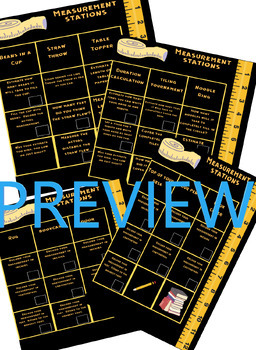
Create a Measurement Station with This Instant Download
Hands-on learning is one of the most effective ways for children to grasp abstract mathematical concepts. When students can physically hold tools, compare sizes, and record data, math transforms from a boring worksheet into an exciting exploration. However, putting together a dedicated math center often takes hours of prep work, cutting, laminating, and organizing. If you are looking for a shortcut that saves time without sacrificing educational quality, you can easily create a measurement station with this instant download.

Digital print-and-go resources have revolutionized how educators and parents set up learning environments. Instead of scouring the internet for mismatched worksheets and vague activity ideas, an instant download provides a cohesive, professionally designed kit that is ready to use in minutes. In this guide, we will explore what these kits typically include, how to set them up efficiently, and the best ways to engage learners.
Why Use a Printable Measurement Station?
Traditional textbooks teach measurement through pictures, which limits a child's understanding of scale, weight, and volume. A physical measurement station bridges the gap between theory and reality. Using printable resources alongside common household or classroom objects offers several distinct advantages:
- Cost-Effective: You don't need expensive commercial kits. Printable cards, rulers, and recording sheets utilize items you likely already own.
- Flexibility: Digital files can be printed repeatedly. If a recording sheet gets ruined or you need materials for multiple small groups, you simply print more.
- Differentiation: Many downloadable packs include multiple levels of difficulty, allowing you to tailor the station to kindergarteners or upper-elementary students.
- Instant Access: No shipping fees and no waiting for a package to arrive. You purchase, download, and prep on the same day.
What Comes in a Standard Instant Download?
While specific packages vary by creator, a comprehensive measurement station kit usually contains everything required to launch an independent learning center. When you purchase a quality file, you generally receive a PDF containing:
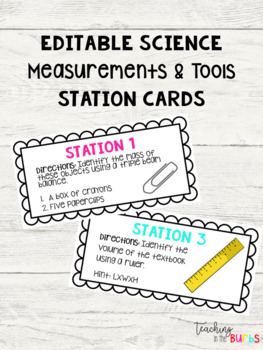
- Task Cards: Prompt cards that give students specific missions, such as "Find three objects longer than your pencil" or "Measure the perimeter of this book in paperclips."
- Recording Sheets: Differentiated worksheets where students log their estimates, actual measurements, and units used.
- Visual Aids & Anchor Charts: Printable posters explaining units of measurement, standard vs. non-standard units, and how to read a ruler.
- Mini-Rulers and Tools: Printable paper rulers, balance scale templates, or spinner games to add an interactive element to the station.
Step-by-Step: Create a Measurement Station with This Instant Download
Setting up your new learning space is straightforward if you follow an organized workflow. Here is how to transition from a digital file on your computer to a fully functioning learning center in your classroom or homeschool room.
1. Download, Print, and Laminate
Video: How to create a measurement plan

Once you complete your purchase, save the PDF to a secure folder. Print the task cards and anchor charts on heavy cardstock to ensure they withstand repeated handling by eager hands. If you own a thermal laminator, run the task cards and paper tools through it. Lamination dramatically increases the lifespan of your printables, allowing you to use them year after year with dry-erase markers.
2. Gather the Physical Manipulatives
Measurement requires things to measure! Gather a collection of common objects and measuring tools and place them in labeled bins or baskets near your station. Great items to include are:
- Standard tools: Plastic rulers, tape measures, yardsticks, and kitchen scales.
- Non-standard tools: Unifix cubes, plastic links, paperclips, and unsharpened pencils.
- Measurement targets: Small toys, blocks, books, leaves, and classroom supplies.
3. Organize the Space
Designate a specific table, desk, or floor mat as your measurement zone. Keep the printed task cards on a ring or neatly displayed in a small stand. Provide clipboards for the recording sheets so students can easily walk around the room to find objects that match their task card prompts. Clear organization encourages independent cleanup and keeps students focused on the task.
Tips for Maximizing Student Engagement
To ensure your new station runs smoothly, establish clear expectations before letting students dive in. Model how to read a ruler properly, emphasizing that measurement must start at the zero mark rather than the edge of the tool. Encourage estimation before actual measurement to build number sense and critical thinking skills.
By choosing to create a measurement station with this instant download, you eliminate hours of prep work while delivering a high-impact, hands-on learning experience. Print your materials today, set out your tools, and watch your students master the art of measurement with confidence.