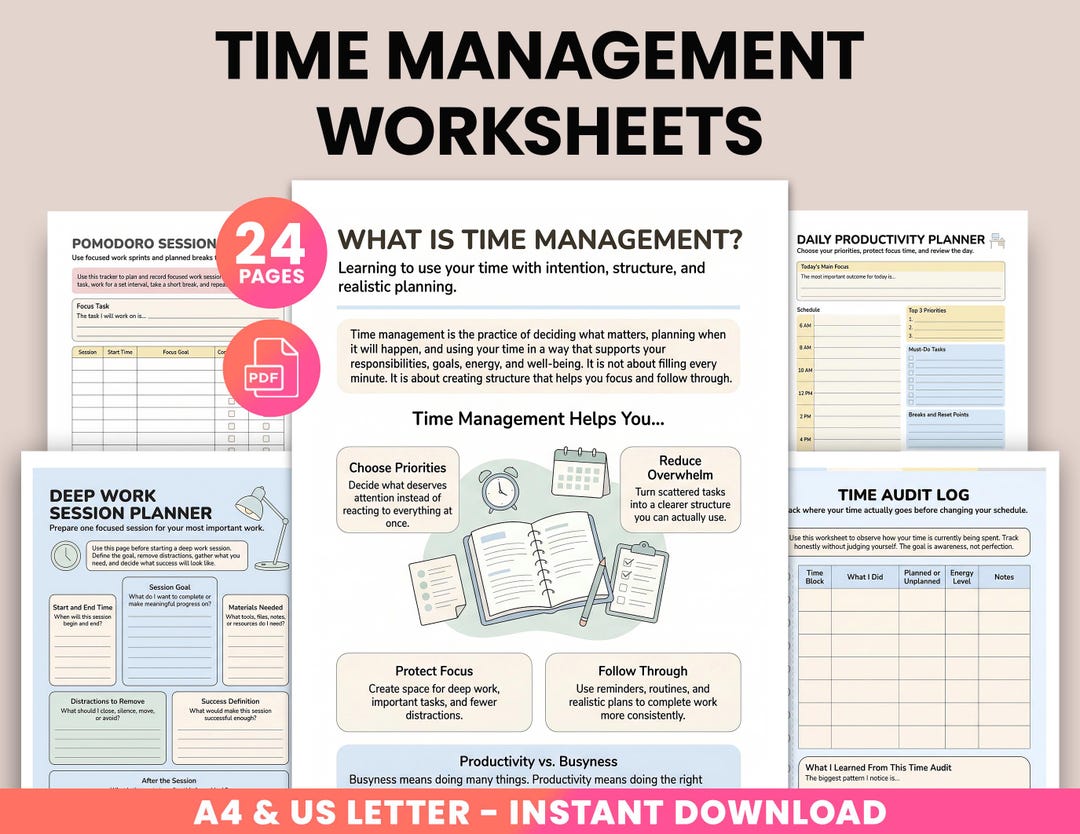
Create a Productive Routine with Number Worksheets
Establishing a predictable daily schedule is one of the most effective ways to help young learners build confidence and cognitive endurance. When you create a productive routine with number worksheets, you remove the friction from early math practice and turn abstract concepts into tangible, rewarding habits. Rather than viewing worksheets as tedious chores, children thrive when these activities fit seamlessly into a balanced, engaging daily structure.

Why Routine Matters in Early Math Education
Children naturally crave consistency. A structured routine signals to the brain that it is time to focus, lowering anxiety and resistance toward academic tasks. When early math practice happens at the same time each day, it transitions from a battle of wills into a normal part of the daily rhythm.
Furthermore, regular exposure to numbers builds essential neural pathways. Brief, consistent practice with counting, tracing, and simple addition yields far better retention than sporadic, marathon study sessions. By making worksheets a predictable element of the day, you foster foundational discipline and self-management skills that extend far beyond mathematics.
Designing Your Daily Learning Schedule
To make the most of your practice time, you need a thoughtful framework. A successful routine isn't about rigid military-style scheduling; it is about creating a reliable flow that respects a child's attention span and energy levels.
Timing and Frequency Best Practices
Consistency matters much more than duration. For preschoolers and early elementary students, 10 to 15 minutes a day is more than enough. Schedule this block when energy levels are high—typically after a morning snack or right after transitioning from a high-energy activity.
- Keep sessions short: Stop before frustration sets in to maintain a positive association with math.
- Be consistent: Try to use your number worksheets at the exact same time every school day.
- Allow flexibility: If a child is genuinely fatigued, shorten the session rather than forcing completion.
Selecting the Right Number Worksheets
Not all printables are created equal. To maintain productivity, your materials must match the child's current developmental stage. Overly difficult sheets lead to meltdowns, while overly easy ones cause boredom.
- For beginners: Focus on numeral formation, subitizing (recognizing quantities at a glance), and simple counting from 1 to 10.
- For intermediate learners: Introduce missing number sequences, greater-than/less-than concepts, and simple addition within 20.
- For visual engagement: Look for worksheets that incorporate coloring, dot-to-dot puzzles, or mazes to keep the hands busy and the brain entertained.
Step-by-Step Guide to a Smooth Math Session
Video: Google Sheets Automation 🚀 Smarter Dashboards & Reports #automation #excel #spreadsheetmagic

Having the right resources is only half the battle. How you manage the actual learning session determines whether the routine succeeds or fails.
1. Preparation and Setup
Eliminate distractions before you begin. Clear the table of toys, smartphones, and unnecessary clutter. Have a dedicated caddy containing sharpened pencils, erasers, and crayons ready to go so you don't waste precious focus time hunting for supplies.
2. Guided Practice to Independent Work
Begin the session by working through the first problem or two together. This models the expected behavior and builds immediate confidence. Once the child understands the objective, step back and allow them to complete the remaining items independently. Be available for support, but resist the urge to correct every minor mistake instantly.
3. Positive Reinforcement and Review
When the worksheet is finished, review it together with enthusiasm. Focus on effort and improvement rather than absolute perfection. Celebrating a completed page—whether through a high-five, a sticker, or placing it proudly on the refrigerator—reinforces the positive loop of the routine.
Common Pitfalls to Avoid
Even with the best intentions, routines can sometimes derail. Watch out for these frequent mistakes when implementing your math practice:
- Overcomplicating the worksheets: Stick to one clear objective per page. A cluttered layout overwhelms young learners.
- Neglecting breaks: If a child has been sitting for too long, incorporate a quick gross-motor movement break before touching the pencil.
- Making math punitive: Never use extra worksheets as a punishment for misbehavior, as this destroys the productive mindset you are trying to build.
Conclusion
Building a sustainable daily habit takes patience and adaptability. When you thoughtfully create a productive routine with number worksheets, you give children the tools they need to master early math concepts without stress. Keep sessions short, celebrate small victories, and watch as daily practice turns into lifelong mathematical confidence.