Create an Engaging Secondary Succession Comic Strip
Ecology can sometimes feel like a collection of heavy textbook definitions, but teaching and learning about how nature heals itself doesn't have to be boring. Whether you are a science teacher looking for a creative classroom assignment or a student trying to ace a biology project, designing a secondary succession comic strip is one of the most effective ways to visualize ecological recovery.

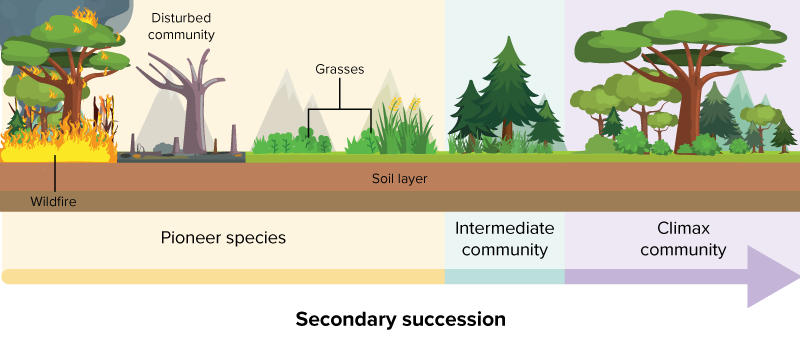
Unlike primary succession—which starts from bare rock where no soil exists—secondary succession occurs in an area where an existing ecosystem was disturbed or destroyed, but the soil remains intact. Because the soil is already nutrient-rich, recovery happens much faster. A comic strip format allows you to break this fascinating timeline down into a relatable, visual story panel by panel.
Understanding the Stages of Secondary Succession
Before putting pen to paper or firing up a digital drawing tablet, you need a clear grasp of the ecological timeline. A scientifically accurate comic strip should guide the reader through the distinct phases of ecological recovery. While every ecosystem is unique, a temperate forest or grassland typically follows a predictable sequence of events.
1. The Disturbance Event
Every good story needs an inciting incident. In a comic about secondary succession, this is the disturbance that resets the ecosystem. Common examples include:
- A forest fire sweeping through a woodland
- A farmer abandoning an agricultural field
- A severe flood or hurricane clearing out vegetation
- Human activities like logging or construction
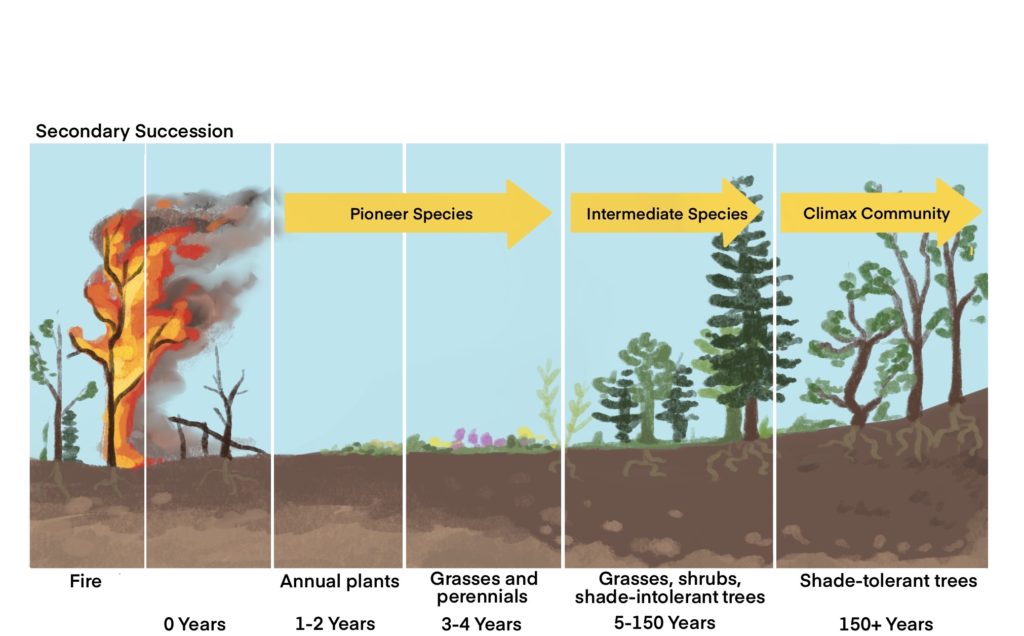
In your first panel, you can show the event itself or the immediate aftermath: smoking embers, fallen trees, or bare dirt with a few surviving roots tucked safely underground.
2. Pioneer Species and Annual Plants
Because the soil is still intact, seeds, spores, and deep-rooted perennials are already waiting beneath the surface. In the second panel, show the very first plants to emerge. These pioneer species are usually fast-growing annual weeds, grasses, and wildflowers that thrive in full sunlight. They help stabilize the soil and prevent erosion.
3. Grasses, Shrubs, and Young Trees
As the annual plants die and decompose, they add organic matter to the soil, making it richer. In the middle panels of your comic, introduce longer-lived plants. Taller grasses, berry bushes, and young pine or deciduous saplings take root. These plants begin to block out the harsh sunlight, creating shade and changing the microclimate of the area.

4. The Climax Community (Mature Ecosystem)
In the final panels, fast-growing trees mature into a dense forest, and shade-tolerant species begin to dominate the understory. Animals return as their specific habitats are restored. This stable, long-lasting stage is traditionally known as the climax community, representing the culmination of secondary succession.
How to Plan Your Comic Strip
Once you understand the science, it is time to map out your narrative. A comic strip relies on visual storytelling, so planning your layout ahead of time will save you from messy revisions later.
Write a Script and Storyboard
Grab a piece of scrap paper and divide it into boxes (usually four to six panels work best for secondary succession). Write a brief script for each panel. Include:
- Visuals: What is happening in the drawing? (e.g., "Panel 3: A rabbit hops past young shrubs and a growing pine sapling.")
- Dialogue or Narration: Use a narrator box to explain scientific concepts, or give voice to a quirky character like a wandering squirrel or a wise old oak tree stump.
Choose Your Medium
You can create your project using traditional art supplies like colored pencils, markers, and ink pens, or you can leverage digital tools. Free graphic design software and digital drawing apps offer endless panels, templates, and digital brushes that make editing a breeze.
Tips for Accuracy and Engagement
To make your comic strip a success, balance scientific accuracy with creative flair. Avoid cluttering your panels with too much text; let the artwork do the heavy lifting. Use arrows or clear time-jump captions (such as "5 Years Later" or "50 Years Later") to show how the landscape transforms over time. Most importantly, have fun with the characters and storytelling. When science meets art, concepts stick in your memory for a lifetime.