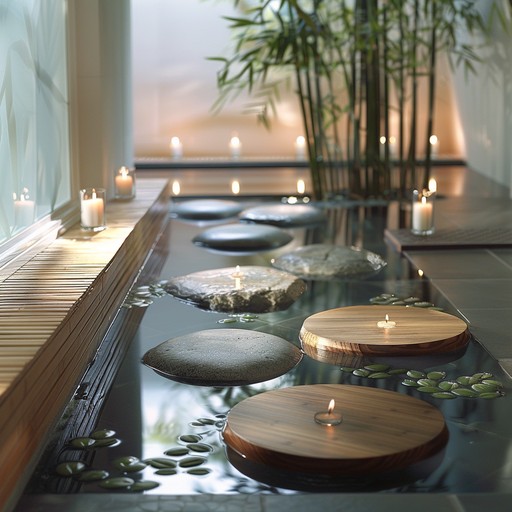
Creating a Tranquil and Serene Ambiance at Home
In our fast-paced modern lives, finding moments of genuine quiet can feel nearly impossible. Between endless digital notifications, demanding work schedules, and bustling city streets, our nervous systems rarely get a chance to truly rest. That is why transforming your home into a sanctuary is more than just an interior design trend—it is a vital form of self-care. Cultivating a tranquil and serene ambiance within your four walls provides a necessary physical and mental buffer against the chaos of the outside world, giving you a dedicated space to recharge and find your center.

The Psychology of Peaceful Spaces
Human beings are deeply influenced by their physical surroundings. Environmental psychology shows that clutter, harsh lighting, and chaotic layouts can elevate cortisol levels, keeping us in a low-grade state of fight-or-flight. Conversely, intentional design choices signal safety and calm to the brain.
When you walk into a room designed for relaxation, your heart rate naturally slows. By understanding how color, texture, layout, and sensory elements interact, you can intentionally curate an environment that promotes deep relaxation, better sleep, and emotional equilibrium.
Key Elements of a Tranquil and Serene Ambiance
Building a peaceful atmosphere does not require a complete architectural overhaul or an expensive remodel. Often, it comes down to refining the elements already present in your room and removing visual noise.
1. A Calm, Earth-Inspired Color Palette
Color has a profound impact on mood. To establish a serene foundation, look to nature for inspiration. Soft, muted tones tend to recede into the background, allowing the eyes and mind to rest.
- Warm Neutrals: Shades of cream, oatmeal, warm beige, and soft taupe create a cozy, grounded backdrop.
- Soft Greens: Sage, eucalyptus, and olive green bring the restorative energy of the outdoors inside.
- Gentle Blues: Pale slate, water blue, and dusty periwinkle mimic the calming vastness of sky and sea.
Avoid high-saturation primaries like bright reds or neon yellows in relaxation zones, as they stimulate alertness and physical energy.
2. Layered, Warm Lighting
Harsh overhead fluorescent lighting is one of the quickest ways to kill a peaceful mood. To foster tranquility, embrace layered lighting that mimics the natural progression of the sun.
- Ditch the overhead glare: Turn off bright overhead fixtures in the evening and rely on table lamps, floor lamps, and wall sconces.
- Choose warm bulbs: Opt for LED bulbs with a color temperature between 2,400K and 2,700K to cast a warm, golden glow.
- Incorporate candlelight: The soft, flickering light of unscented or naturally scented beeswax candles instantly softens a room's geometry and invites stillness.
3. Textures That Invite Touch
Video: Jazz With Peaceful Evening By The Lake | Calm Jazz With Nature Sound For Relax Your Mind, Healing
Visual simplicity should not mean sterility. When a room lacks color contrast, tactile variety becomes essential. Layering different textures adds depth and warmth, making a space feel inviting and lived-in.

Incorporate chunky knit wool throws, raw linen curtains, woven jute rugs, and smooth ceramic accessories. These natural materials ground us by connecting our sense of touch to the physical earth, reinforcing a feeling of safety and comfort.
Engaging the Senses for Deeper Calm
True serenity goes beyond what you see. To lock in a peaceful atmosphere, you must engage all five senses.
Aromatherapy and Clean Air
Our sense of smell has a direct highway to the limbic system, the part of the brain responsible for emotion and memory. Diffusing essential oils like lavender, bergamot, cedarwood, or frankincense can rapidly shift your mental state. Additionally, keeping houseplants like snake plants, peace lilies, or pothos helps purify the indoor air while adding vibrant, living greenery to your decor.
Acoustic Comfort
Unwanted noise is a major, often overlooked source of mental fatigue. Soft furnishings help absorb sound echoes in a room. Thick curtains, upholstered furniture, plush rugs, and acoustic wall panels can dramatically quiet a space. If you live in a noisy urban environment, consider using a high-quality white noise machine or playing ambient nature sounds to mask disruptive background noises.
Room-by-Room Application
Every room serves a different purpose, meaning your approach to peace will shift depending on the space.
- The Bedroom: Prioritize total darkness with blackout curtains, remove all work-related items and electronics, and make your bed with crisp, breathable natural fibers.
- The Living Room: Keep surfaces clear of clutter. Use designated baskets to tuck away remotes, chargers, and toys at the end of the day.
- The Bathroom: Turn your daily shower into a spa ritual by adding a eucalyptus bundle to the showerhead, using plush cotton towels, and keeping bath salts in glass jars.
Maintaining Your Peaceful Sanctuary
Creating a tranquil environment is an ongoing practice rather than a one-time project. As life happens, mail piles up, objects migrate from room to room, and clutter accumulates. Dedicate just ten minutes at the end of each day to reset your physical space.
By consciously curating your surroundings, reducing sensory overload, and prioritizing comfort over trends, you build more than just a beautiful home—you build a resilient internal state of peace. When your external world is calm, your mind has the freedom to quiet down, heal, and simply be.