Crime Scene: Gypsy Rose and the Death of Dee Dee
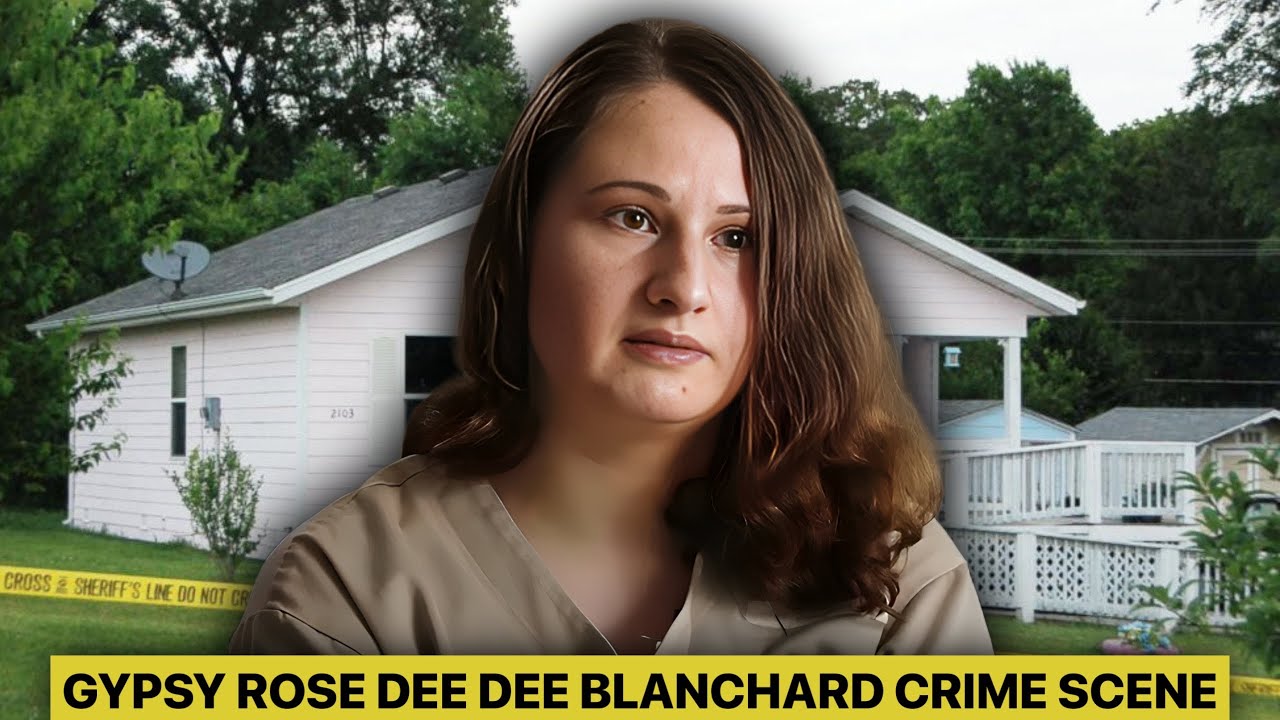
On the evening of June 14, 2015, law enforcement officers entered a small, pink-trimmed bungalow on West Volunteer Way in Springfield, Missouri. What initially appeared to be a welfare check on a vulnerable mother and her severely ill daughter quickly shifted into a high-profile homicide investigation. When detectives processed the crime scene Gypsy Rose Blanchard left behind, they uncovered not only the violent death of Clauddine “Dee Dee” Blanchard, but also the total collapse of a decades-long medical deception.

The Discovery at 2104 West Volunteer Way
The sequence of events began with an alarming post on Dee Dee Blanchard’s personal Facebook account: “That Bitch is dead!” Friends and neighbors, who knew Dee Dee as a devoted caregiver to her wheelchair-bound daughter Gypsy, immediately feared the worst. After another, more explicit comment appeared on the post, concerned neighbors arrived at the home and called the Greene County Sheriff’s Office.
Deputies obtained a search warrant after peering through a window and suspecting something was wrong. Inside, the residence was dark, quiet, and cluttered. In the master bedroom, officers found 48-year-old Dee Dee Blanchard face-down on her bed, covered by blankets. She had sustained multiple stab wounds to her back and neck. Gypsy Rose, believed by the community to be intellectually disabled and unable to walk without assistance, was missing, sparking immediate fears that she had been abducted by whoever killed her mother.
Evidence Recovered: Inside the Crime Scene Gypsy Rose Left Behind
As forensic technicians worked the Springfield home, inconsistencies immediately challenged the public narrative of Gypsy’s medical history. The physical layout of the house and the personal effects recovered told two radically different stories.
The Medical Illusion vs. Reality
The Blanchard home was filled with specialized medical gear. The community, aided by charities such as Habitat for Humanity and the Make-A-Wish Foundation, had built wheelchair ramps and provided specialized amenities. However, investigators quickly noticed critical anomalies:
- Unused Wheelchairs: Gypsy’s manual and motorized wheelchairs were left parked in the residence. For a girl presumed paralyzed from the waist down, leaving without them suggested either an abduction or that she could walk.
- Medication Hoards: The kitchen and closets contained vast stockpiles of prescription drugs, liquid feeds, and medical supplies, many neatly categorized, reflecting Dee Dee’s rigid control over Gypsy’s routine.
- Oxygen Tanks and Feeding Tubes: Feeding equipment and respiratory aids were left behind in Gypsy’s bedroom, accessories she supposedly required for basic survival.
The Bedroom and the Act of Violence
Dee Dee’s bedroom was the central focus of the physical crime scene. Blood spatter patterns indicated she had been attacked while asleep in her bed. Forensic analysis showed no signs of a prolonged defensive struggle, suggesting the victim was caught entirely off guard. A knife had been used to inflict fatal puncture wounds to her upper torso and neck.
Notably absent from the home was the murder weapon itself, as well as several thousand dollars in cash that Dee Dee kept hidden in a safe. The lack of forced entry pointed toward someone who either had a key or was welcomed inside by an occupant.
Video: Gypsy Rose Crime Scene Photos - Dee Dee Blanchard Murder - Nick Godejohn - Police - Real House
The Digital Trail and the Wisconsin Arrest
While technicians documented the physical crime scene in Missouri, detectives followed a digital paper trail. Investigators traced the IP address responsible for the disturbing Facebook posts to a residence in Big Bend, Wisconsin. That address belonged to 26-year-old Nicholas Godejohn.
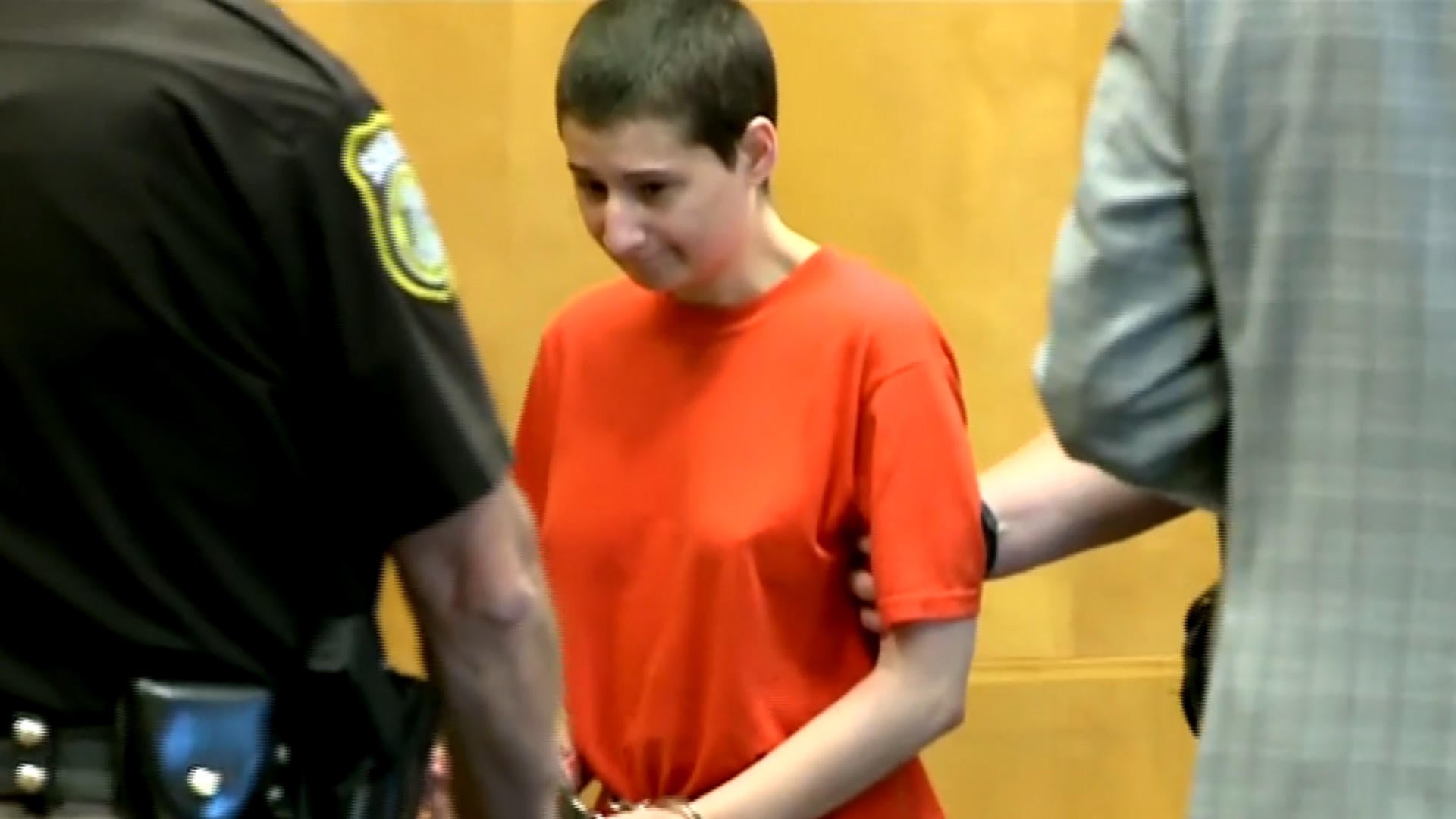
On June 15, 2015, less than 48 hours after the body was discovered, police surrounded Godejohn’s home. Officers took both Godejohn and Gypsy Rose into custody without incident. The immediate revelation stunned the public: Gypsy Rose was walking unassisted, spoke with a lucid adult cadence, and showed no acute symptoms of the dozens of severe illnesses her mother had claimed she possessed.
Key Physical Evidence Recovered in Wisconsin
A search of the Wisconsin property and local trash receptacles yielded the remaining physical pieces of the puzzle:
- The Murder Weapon: Police recovered the serrated hunting knife used in the killing. Gypsy and Godejohn had mailed the weapon to Wisconsin via the U.S. Postal Service in an attempt to separate it from themselves during their bus journey.
- Stolen Cash: Several thousand dollars taken from the safe at West Volunteer Way were recovered in Godejohn’s possession.
- Digital Communications: Investigators seized mobile phones containing thousands of encrypted and text messages between Gypsy and Godejohn, documenting months of planning leading up to the murder.
The Psychological Context: Munchausen by Proxy
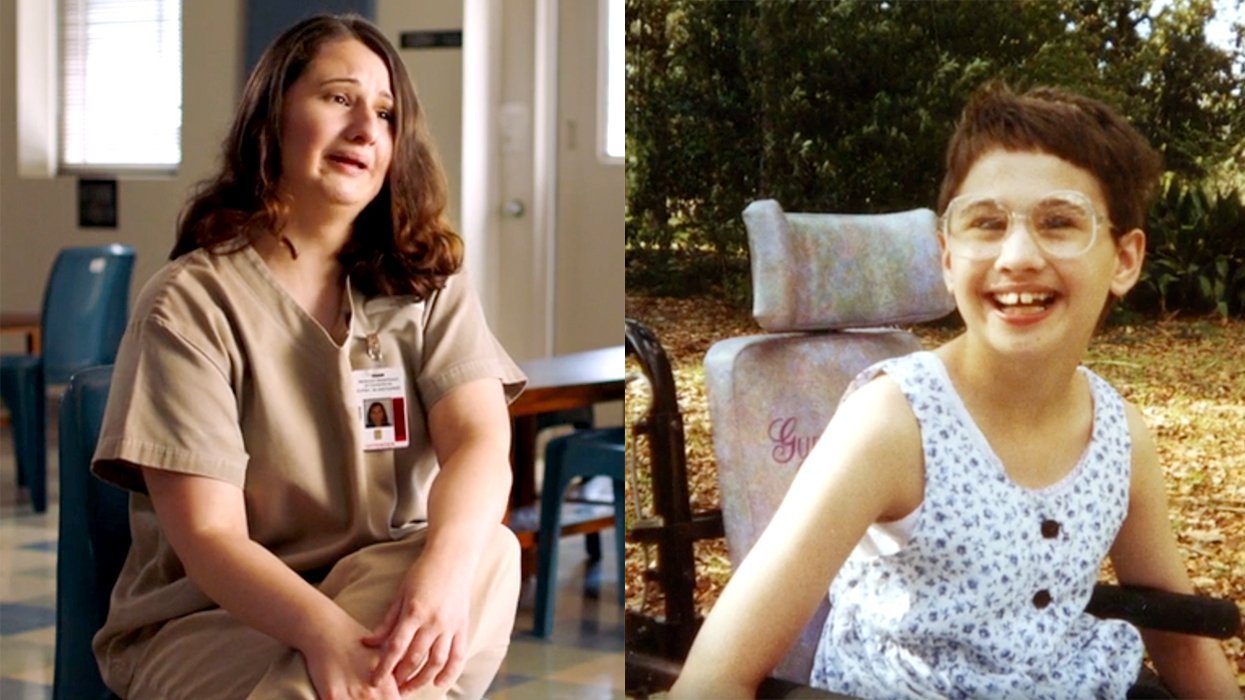
To fully understand the crime scene, legal teams and criminologists had to deconstruct the extreme abuse that preceded it. Dee Dee Blanchard suffered from Factitious Disorder Imposed on Another (FDIA), historically known as Munchausen syndrome by proxy. For nearly two decades, Dee Dee fabricated Gypsy’s medical records, subjected her to unnecessary surgeries (including the removal of her salivary glands), forced her to use a wheelchair, and shaved her head to simulate the effects of leukemia treatments.
Gypsy had attempted to flee her mother in the past, only to be tracked down, physically restrained to a bed, and subjected to heightened surveillance. When Gypsy met Nicholas Godejohn on a Christian dating website in 2012, the relationship became an escape fantasy that eventually evolved into a conspiracy to commit homicide. Gypsy provided the knife, let Godejohn into the home on the night of June 9, and waited in a bathroom with her ears covered while Godejohn carried out the killing.
Legal Outcomes and Aftermath
The forensic evidence gathered at the crime scene, combined with the extensive medical records proving catastrophic child abuse, directly influenced the judicial outcome:
- Gypsy Rose Blanchard: In July 2016, prosecutors accepted a plea agreement in light of the severe mitigating circumstances of lifelong abuse. Gypsy pleaded guilty to second-degree murder and was sentenced to 10 years in prison. She served 85 percent of her sentence and was released on parole in December 2023.
- Nicholas Godejohn: Godejohn went to trial in November 2018. While his defense argued diminished mental capacity and autism spectrum disorder, prosecutors successfully demonstrated premeditation. He was convicted of first-degree murder and armed criminal action, receiving a mandatory sentence of life in prison without the possibility of parole.
The crime scene on West Volunteer Way remains one of the most remarkable forensic investigations in modern American criminal history. What appeared to be an open-and-shut tragedy of a murdered caregiver and a kidnapped disabled child unraveled into an extraordinary case of psychological captivity, fabricated illness, and calculated retaliation.