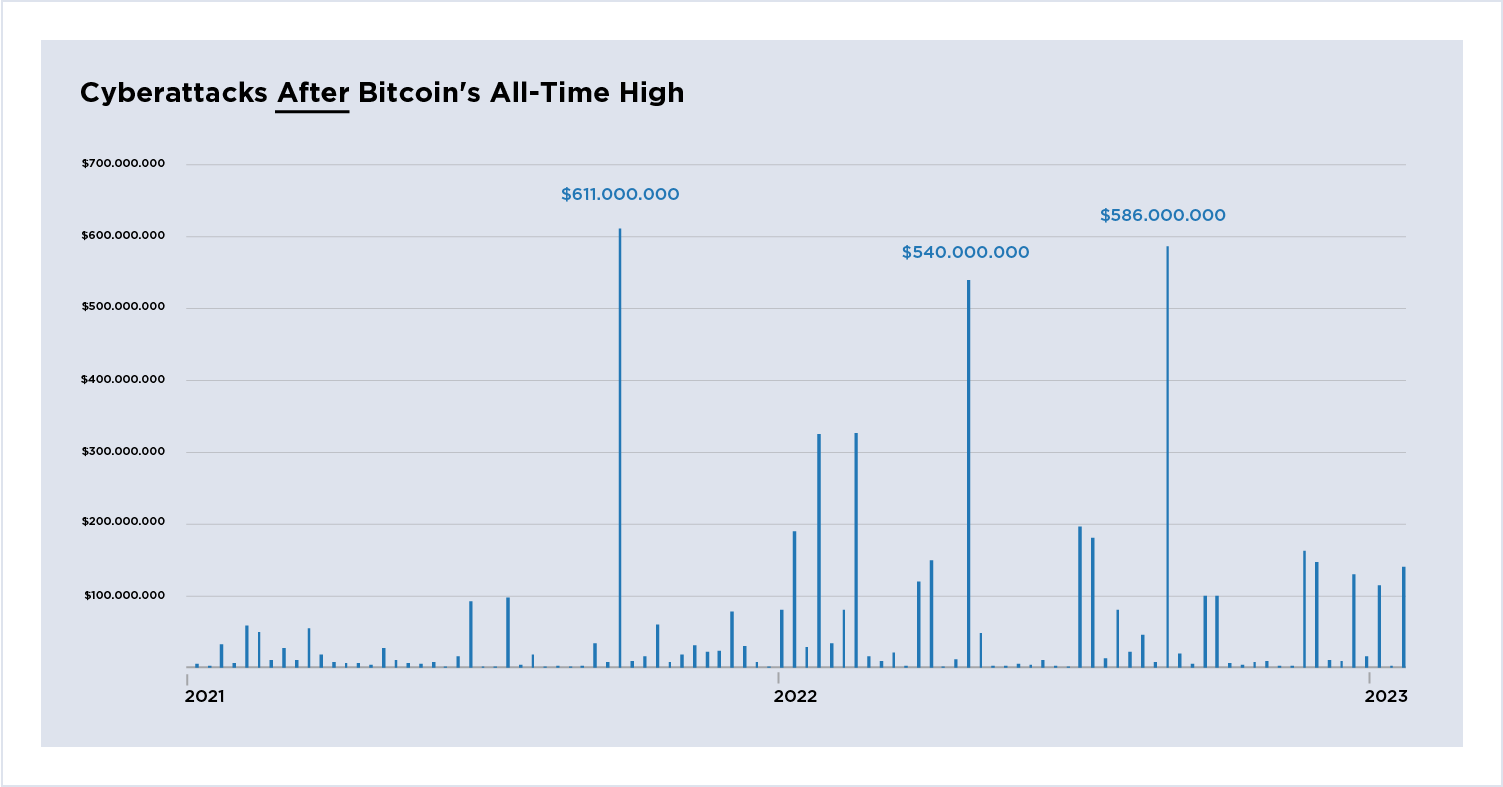
Crypto Security: What Follows the Harmony Leak?
Introduction to Post-Harmony Blockchain Vulnerabilities

The cryptocurrency ecosystem has matured rapidly, but so has the sophistication of cybercriminals. When the Harmony Horizon bridge suffered a devastating $100 million exploit, it exposed critical flaws in multi-signature validation and cross-chain interoperability. Since then, protocol architects and white-hat hackers have been racing to patch similar vulnerabilities across the decentralized finance (DeFi) landscape. However, as infrastructural security improves, malicious actors are shifting their focus to new, harder-to-detect vectors. When cybersecurity experts predict the next big crypto attack (after the Harmony leak), they point away from simple bridge hacks and toward complex social engineering, cross-chain messaging exploits, and compromised developer pipelines.
Lessons Learned from the Harmony Bridge Exploit
To understand where future threats are heading, we must first analyze what went wrong during the Harmony breach. The attacker compromised the private keys of a multi-signature wallet scheme. Specifically, they managed to seize control of two out of the five validator keys required to authorize transactions. Once inside, the hacker minted unauthorized tokens and drained liquidity pools across the Ethereum and Harmony networks.
This incident highlighted a fundamental flaw in how many layer-1 and layer-2 solutions handle key management. Relying on a small quorum of operational keys—especially when those keys are stored on servers connected to the internet (hot wallets)—creates an attractive single point of failure. Despite subsequent patches and heightened awareness, similar operational security lapses remain prevalent across emerging protocols.
Cybersecurity Experts Predict the Next Big Crypto Attack (After the Harmony Leak)
As blockchain defenses tighten around traditional smart contract logic and bridge validation, threat actors are innovating. Leading blockchain security firms and audit agencies warn that the threat landscape is evolving beyond standard code bugs. Here are the primary attack vectors keeping developers awake at night:
1. Cross-Chain Messaging and Interoperability Exploits
Cross-chain bridges remain the prime real estate for crypto hackers. While protocols like Harmony used multi-sig validation, newer ecosystems rely on generalized message passing (GMP) protocols to allow blockchains to talk to each other. Security researchers predict that these complex relay networks will become the target of choice.
If an attacker can manipulate the cryptographic proofs verified by a cross-chain router, they can trick a receiving chain into believing funds were locked on the sending chain when they never were. This bypasses traditional token-minting controls and allows for massive, trustless draining of liquidity pools.
2. Supply Chain Attacks on Developer Dependencies
Modern decentralized applications (dApps) are rarely written from scratch. Developers rely heavily on open-source libraries, Node.js packages, and third-party APIs. Cybersecurity experts warn that state-sponsored groups and advanced persistent threat (APT) actors are increasingly targeting these software supply chains.

By injecting malicious code into widely used npm packages or GitHub repositories, hackers can silently compromise thousands of projects simultaneously. When a developer compiles their smart contract or frontend interface, the backdoor is baked right into the deployment, allowing attackers to intercept private keys or drain user wallets seamlessly.
3. Zero-Day Vulnerabilities in Account Abstraction (ERC-4337)
Account abstraction is heralded as the holy grail for mainstream crypto adoption, introducing features like social recovery, gasless transactions, and smart contract wallets. However, introducing programmable logic directly into user accounts expands the attack surface drastically.
Because ERC-4337 infrastructure introduces new smart contract bundlers, paymasters, and entry-point contracts, it creates a brand-new playground for zero-day exploits. A flaw in a popular account abstraction implementation could allow unauthorized actors to execute arbitrary code on behalf of millions of wallet holders without requiring their seed phrases.
4. AI-Driven Phishing and Deepfake Social Engineering
Technical exploits are only half the battle. Human error remains the weakest link in crypto security. Artificial intelligence has supercharged social engineering tactics, enabling attackers to deploy hyper-targeted phishing campaigns at scale.
Experts predict an increase in real-time deepfake audio and video attacks targeting crypto founders, venture capitalists, and core developers during video calls. By mimicking trusted colleagues or project leads, attackers can manipulate victims into approving malicious transactions or revealing administrative credentials.
How Protocols and Investors Can Protect Themselves
Mitigating these emerging threats requires a proactive, multi-layered security posture. The days of simply running a single smart contract audit and deploying to mainnet are long gone.
- Decentralize Key Management: Move away from small multi-sig quorums. Implement Hardware Security Modules (HSMs), threshold signature schemes (TSS), and time-locks for critical administrative actions.
- Continuous Monitoring: Utilize real-time threat detection tools that can pause protocol operations automatically if anomalous transaction volumes or draining behaviors are detected.
- Rigorous Dependency Audits: Regularly audit third-party code libraries and pin software dependencies to verified, immutable versions to prevent supply chain tampering.
- Bug Bounties: Maintain aggressive bug bounty programs to incentivize white-hat hackers to discover vulnerabilities before malicious actors do.
Conclusion
The Harmony bridge leak was a watershed moment for decentralized finance, proving that architectural complexity often breeds catastrophic vulnerability. As we look ahead, the next generation of crypto attacks will likely bypass simple smart contract bugs in favor of cross-chain messaging exploits, supply chain compromises, and sophisticated AI-driven social engineering. By understanding these emerging vectors and adopting rigorous defense-in-depth strategies, the Web3 industry can build a more resilient financial future.