Current Time in USA Texas: Time Zones Explained
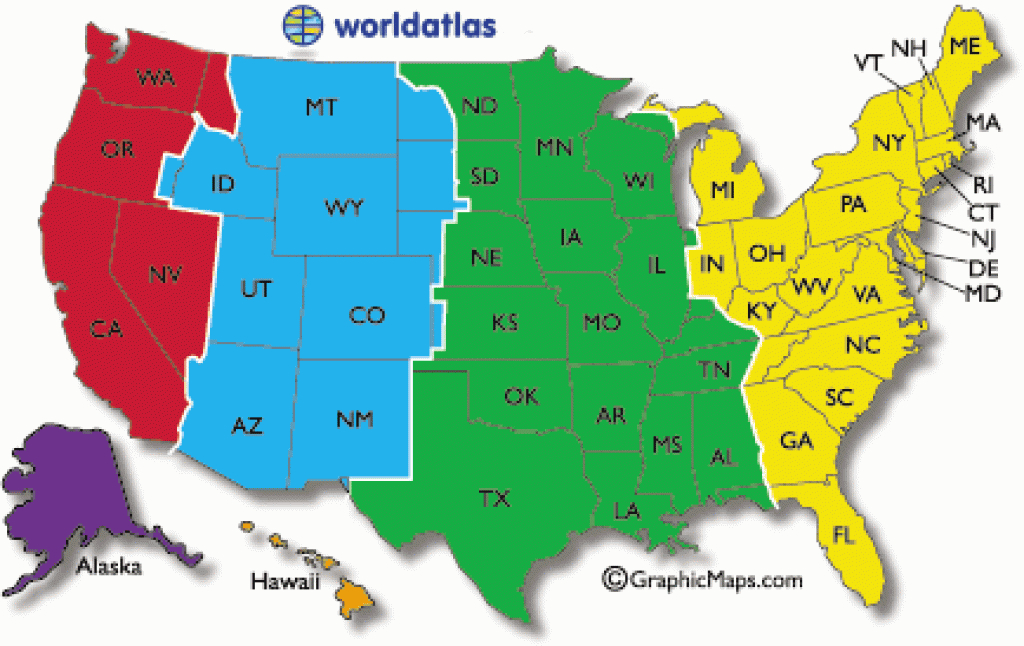
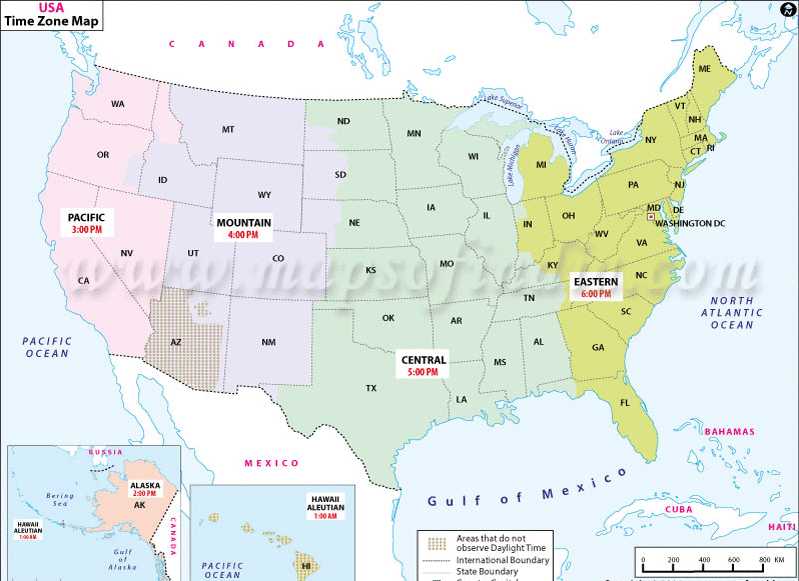
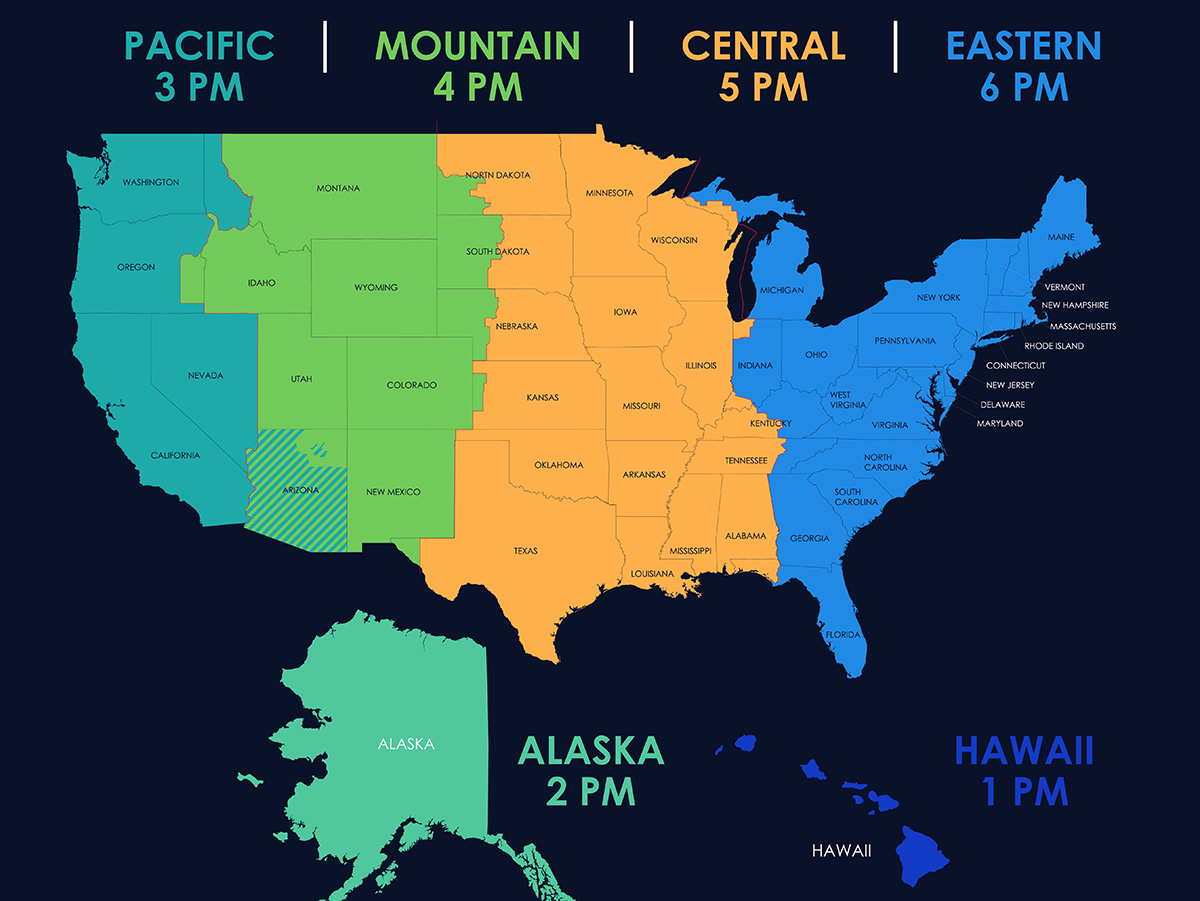
When planning a trip, scheduling a business call, or tuning into a broadcast, knowing the exact time in USA Texas is essential. Because Texas is the second-largest state in the United States by both area and population, its vast geography spans more than just a single clock setting. Unlike smaller states that fit neatly into one regional schedule, the Lone Star State is large enough to bridge two distinct time zones.
Understanding how Texas time works prevents missed appointments and travel confusion. In this guide, we break down the state's time zones, explore Daylight Saving Time practices, and highlight the differences between major Texas cities.
The Two Time Zones of Texas
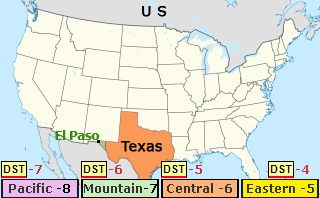
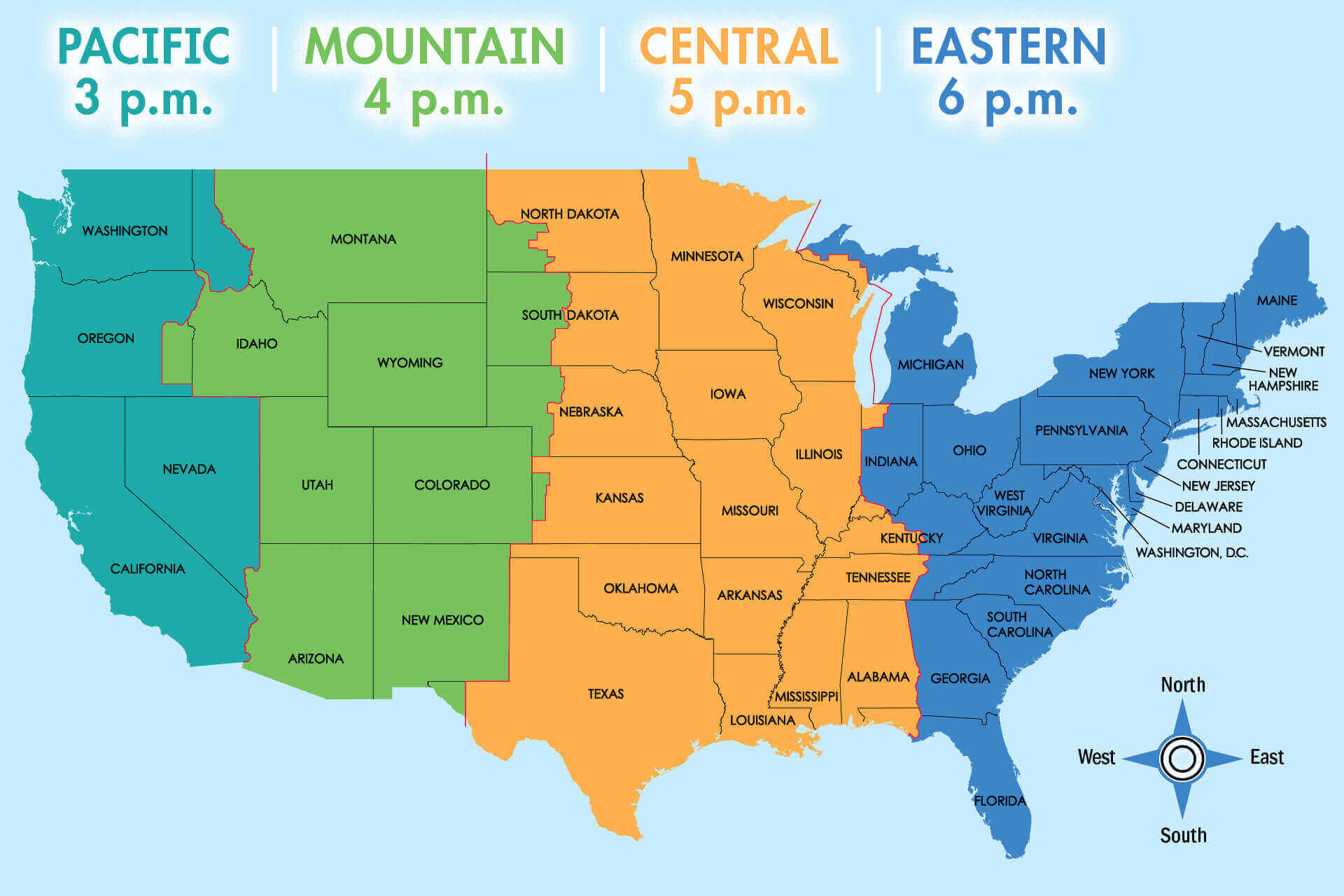
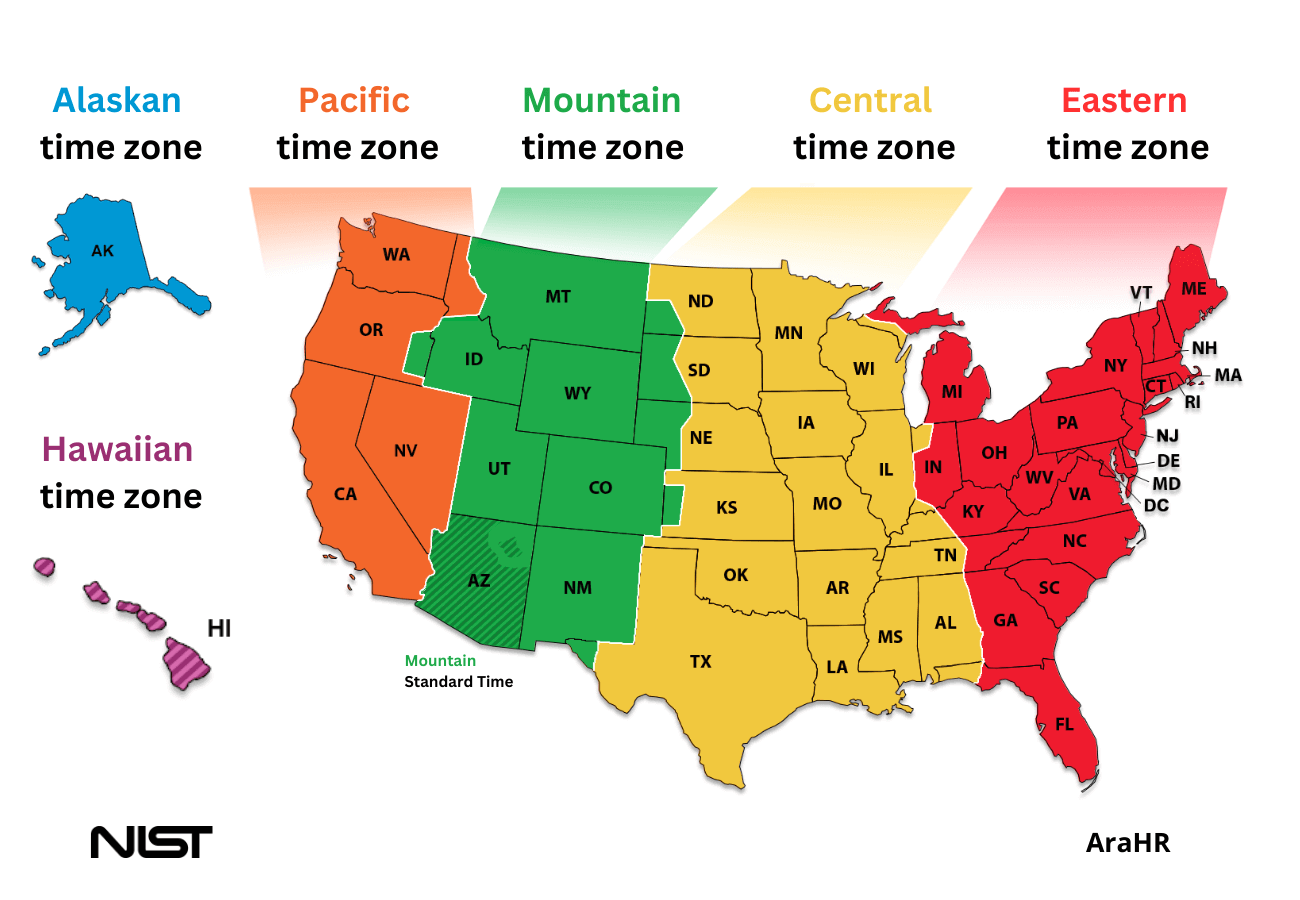
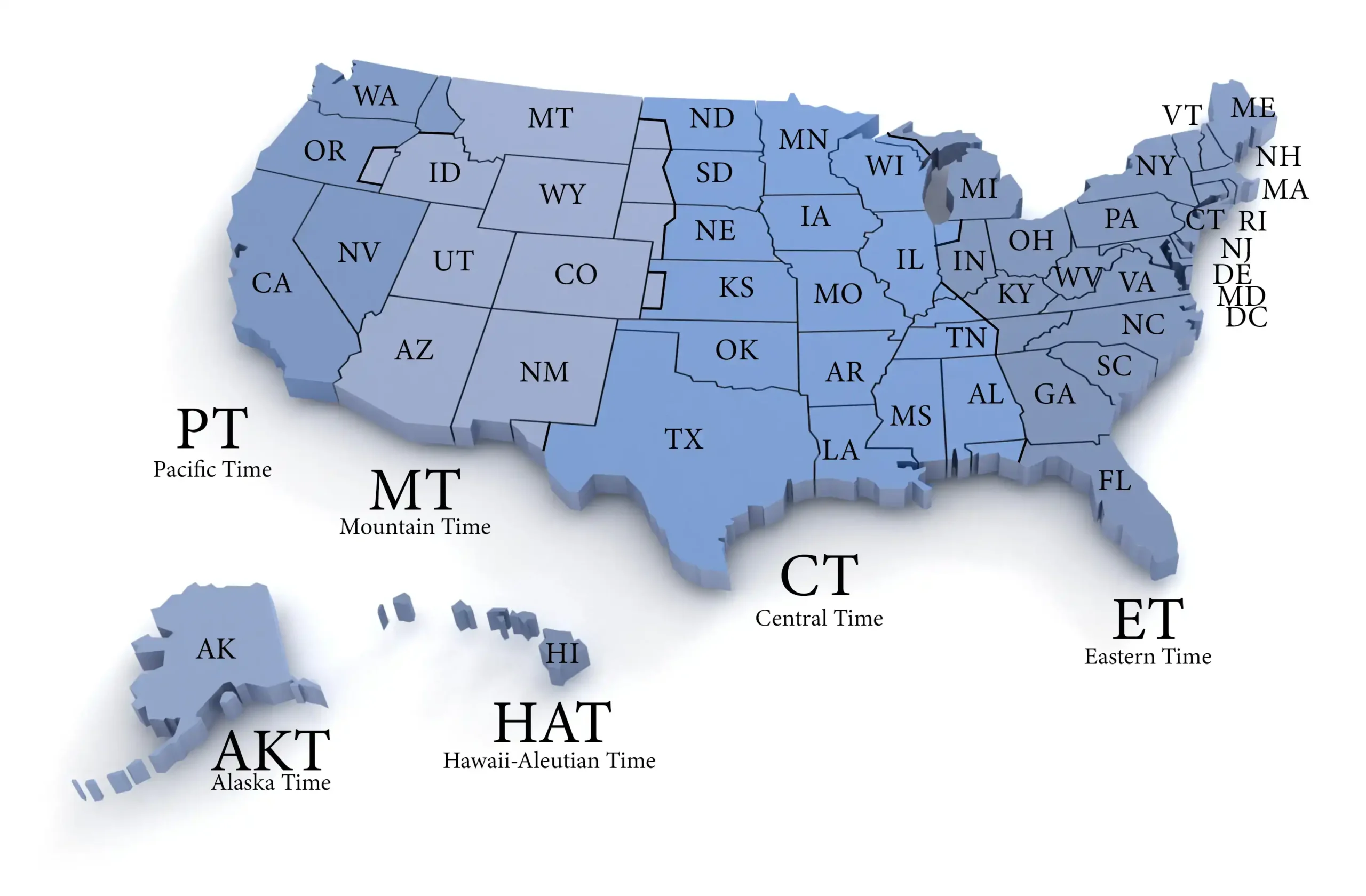
The vast majority of Texas operates on Central Time, but the far western portion follows Mountain Time. This division places about 99% of the state's population in the Central time zone, while a small pocket in the west aligns with the Mountain time zone.
Central Time Zone (CST/CDT)
The vast expanse of Texas—including major metropolitan hubs like Houston, Dallas, Austin, San Antonio, and Fort Worth—operates in the Central Time Zone.
- Standard Time (CST): UTC-6
- Daylight Time (CDT): UTC-5
If you are calling someone in the capital of Austin or checking the time in the coastal city of Galveston, you are dealing with Central Time. This zone covers roughly 251 of the state's 254 counties.
Mountain Time Zone (MST/MDT)
Only a tiny fraction of West Texas operates on Mountain Time. This zone primarily covers El Paso and Hudspeth counties, along with a small corner of Jeff Davis County near the state's western border with New Mexico.
- Standard Time (MST): UTC-7
- Daylight Time (MDT): UTC-6
Residents and travelers in El Paso are one hour behind their fellow Texans in Houston or Dallas. If it is 12:00 PM noon in Austin, it is only 11:00 AM in El Paso.
Daylight Saving Time in Texas

Like most of the United States, Texas observes Daylight Saving Time (DST). This means that clocks do not stay the same year-round; instead, they shift forward and backward to make better use of daylight during the summer months.
When Do Clocks Change?
The transition dates follow federal US guidelines:
- Spring Forward: On the second Sunday in March at 2:00 AM local time, clocks are moved forward by one hour. This marks the beginning of Central Daylight Time (CDT) and Mountain Daylight Time (MDT).
- Fall Back: On the first Sunday in November at 2:00 AM local time, clocks are turned backward by one hour. This returns the state to Central Standard Time (CST) and Mountain Standard Time (MST).
As a result, Texas experiences longer summer evenings with daylight lasting past 8:30 PM in places like Dallas and Houston, while winter brings earlier sunsets around 5:30 PM.
Practical Impact on Travel and Business
Because Texas spans two time zones, traveling across the state by car or booking cross-state meetings requires careful attention.
For instance, driving from San Antonio to El Paso takes about nine hours on Interstate 10. During the journey, drivers cross the time zone boundary near the Pecos River, effectively gaining an hour as they move west. Conversely, traveling east from El Paso to San Antonio means losing an hour.
For remote workers and national businesses, Texas sits in a strategic location. Being in the Central Time Zone allows companies in Dallas and Houston to easily coordinate with both the East Coast (New York is one hour ahead) and the West Coast (Los Angeles is two hours behind) during normal business hours.
Summary
Whether you are tracking the current time in USA Texas for a flight arrival or a conference call, remember that the answer depends on geography. While cities like Houston, Dallas, and Austin run on Central Time, El Paso operates on Mountain Time. Keep Daylight Saving Time changes in mind during March and November, and you will always stay perfectly on schedule across the Lone Star State.