Dahmer Victim Polaroid Pictures: The Untold Story
On the sweltering night of July 22, 1991, two Milwaukee police officers stepped into Apartment 213 at 924 North 25th Street. What began as a routine investigation into an alleged knife dispute quickly unraveled into the most horrific criminal discovery in Wisconsin history. Central to that revelation was an ordinary bedside drawer containing a stack of instant snapshots. The untold story of the Jeffrey Dahmer victim Polaroid pictures is not merely one of sensational horror, but a complex account of critical forensic evidence, profound psychological dysfunction, and an intense legal battle over privacy and dignity.
The Midnight Discovery in Apartment 213
Officer Robert Rauth and Officer Rolf Mueller arrived at the Oxford Apartments complex after being flagged down by thirty-two-year-old Tracy Edwards. Edwards escaped Dahmer’s apartment with a handcuff dangling from his wrist, telling the officers that a man had threatened him with a chef’s knife and attempted to drug him.
When the patrolmen escorted Edwards back to Apartment 213 to retrieve his belongings and verify his story, Dahmer acted calm and cooperative. However, Officer Mueller decided to investigate the bedroom to confirm the presence of the weapon. While searching the nightstand, Mueller pulled open a drawer and found an open box filled with roughly 84 Polaroid photographs.
The images were catastrophic. Instead of ordinary personal photos, they depicted dismembered human remains, posed corpses, and victims in various stages of mutilation. Mueller immediately showed the snapshots to Rauth, stating, “These are real.” A violent struggle ensued, ending with Dahmer pinned to the floor and placed in custody. Without those instant photographs, Dahmer may have managed to talk his way out of the encounter, as he had notoriously done with authorities two months earlier.
The Untold Story of the Jeffrey Dahmer Victim Polaroid Pictures and Their Evidentiary Role
In modern forensics, digital metadata provides exact timelines and locations. In 1991, investigators had to rely entirely on analog media. The Polaroid camera Dahmer used—a standard consumer-grade instant camera—became the single most vital piece of physical evidence in the state’s case.
Because Dahmer had discarded or chemically destroyed many biological remains using acid, the photos served as an indisputable visual ledger. Forensic detectives utilized the pictures to perform several vital functions:
- Victim Identification: The Milwaukee County Medical Examiner’s Office, led by Dr. Jeffrey Jentzen, cross-referenced the physical features, tattoos, and clothing in the photographs against missing persons reports from the Milwaukee area and Ohio.
- Establishing Crime Scene Timelines: The chemical composition of Polaroid film prints changes subtly over time. Analysts examined the prints alongside rent receipts and utility logs to map when each murder occurred between 1987 and 1991.
- Proving Intent and Premeditation: The calculated arrangement of bodies in the photos undermined Dahmer’s potential defense of accidental death or sudden, uncontrollable impulse.
Psychological Motives: Why Dahmer Documented His Crimes
Serial killers frequently keep “trophies”—items taken from victims such as driver’s licenses, jewelry, or locks of hair. Dahmer collected physical remains, but his reliance on instant photography served a much deeper psychological pathology.
During forensic evaluations conducted by renowned forensic psychiatrist Dr. Park Dietz, Dahmer explained the exact function of the photographs. Unlike predators who document crimes to relive feelings of dominance or terrorize others, Dahmer used the photos as an emotional surrogate to combat chronic loneliness and satisfy severe necrophilic fantasies.
The Need for Total Control
Dahmer viewed living companions as unpredictable and prone to abandoning him. The Polaroids allowed him to capture victims in states of complete immobility. In his own testimony and psychiatric interviews, Dahmer admitted that when he felt the compulsion to kill resurfacing, he would look at the photographs to stave off the urge—though the relief was invariably temporary.
Preserving What He Planned to Destroy
Dahmer was aware that biological tissue would decay, forcing him to dissolve or dispose of evidence to avoid detection. The Polaroid camera served as a preservation tool. It allowed him to keep an archival record of his crimes even after the bodies had been reduced to skeletal fragments or disposed of entirely.
The Courtroom Crisis: Presenting the Photos in 1992
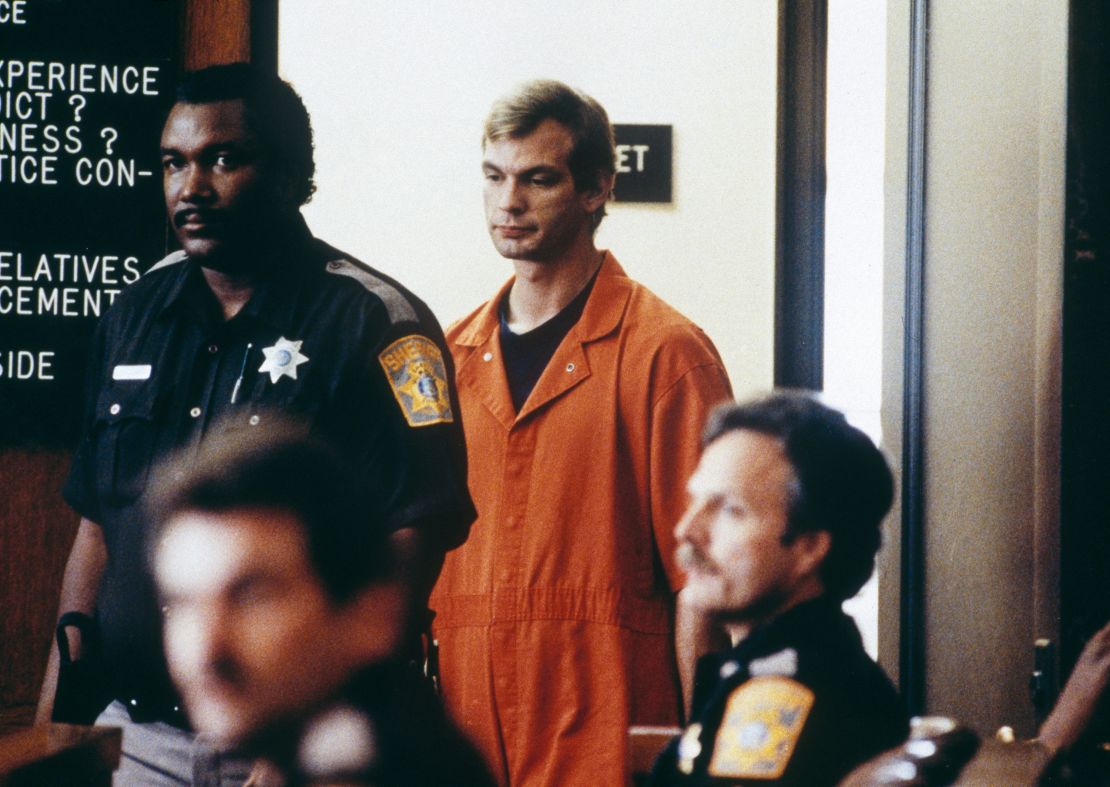
When the trial began in January 1992 under Judge Laurence Gram Jr., Dahmer had already pleaded guilty to fifteen counts of murder. The sole issue left for the jury was his legal sanity: did he suffer from a mental disease or defect that prevented him from appreciating the wrongfulness of his conduct or conforming his behavior to the law?
Prosecutor E. Michael McCann faced an immense ethical dilemma regarding how to introduce the Polaroid evidence. The defense, led by Gerald Boyle, argued that the sheer grotesqueness of the pictures proved Dahmer was profoundly insane. McCann, conversely, argued that the methodical staging and photography demonstrated cold calculation and awareness of his actions.
To spare the victims’ families additional trauma, Judge Gram restricted visual access to the photographs. While jurors, attorneys, and psychiatric experts reviewed the Polaroids to assess Dahmer’s state of mind, the images were never displayed on public monitors or turned toward gallery spectators. Jurors later recounted that reviewing the binder of photographs was the most harrowing experience of their lives, leading several to require psychological counseling after the trial concluded.
Chain of Custody and the Battle Against Exploitation
Following Dahmer’s conviction and his subsequent death in prison in 1994, a fierce debate erupted over what should happen to his personal effects, including the crime scene evidence.
In the late 1990s, an auction of Dahmer’s possessions was proposed to raise money for victims’ families. However, community leaders and family representatives vehemently opposed the sale of items associated with the killings. A group of Milwaukee civic leaders raised hundreds of thousands of dollars to purchase and permanently incinerate Dahmer’s tools, furniture, and personal items.
The Polaroid photographs, however, were never part of that estate sale. They were classified as official criminal evidence and judicial exhibits:
- The original prints remain securely locked within state archives and police evidence vaults.
- They are strictly shielded from Freedom of Information Act (FOIA) disclosures due to Wisconsin state statutes protecting victim privacy and dignity.
- Legal injunctions prevent any release that could lead to commercial exploitation or online leaks.
The Human Cost Behind the Lens
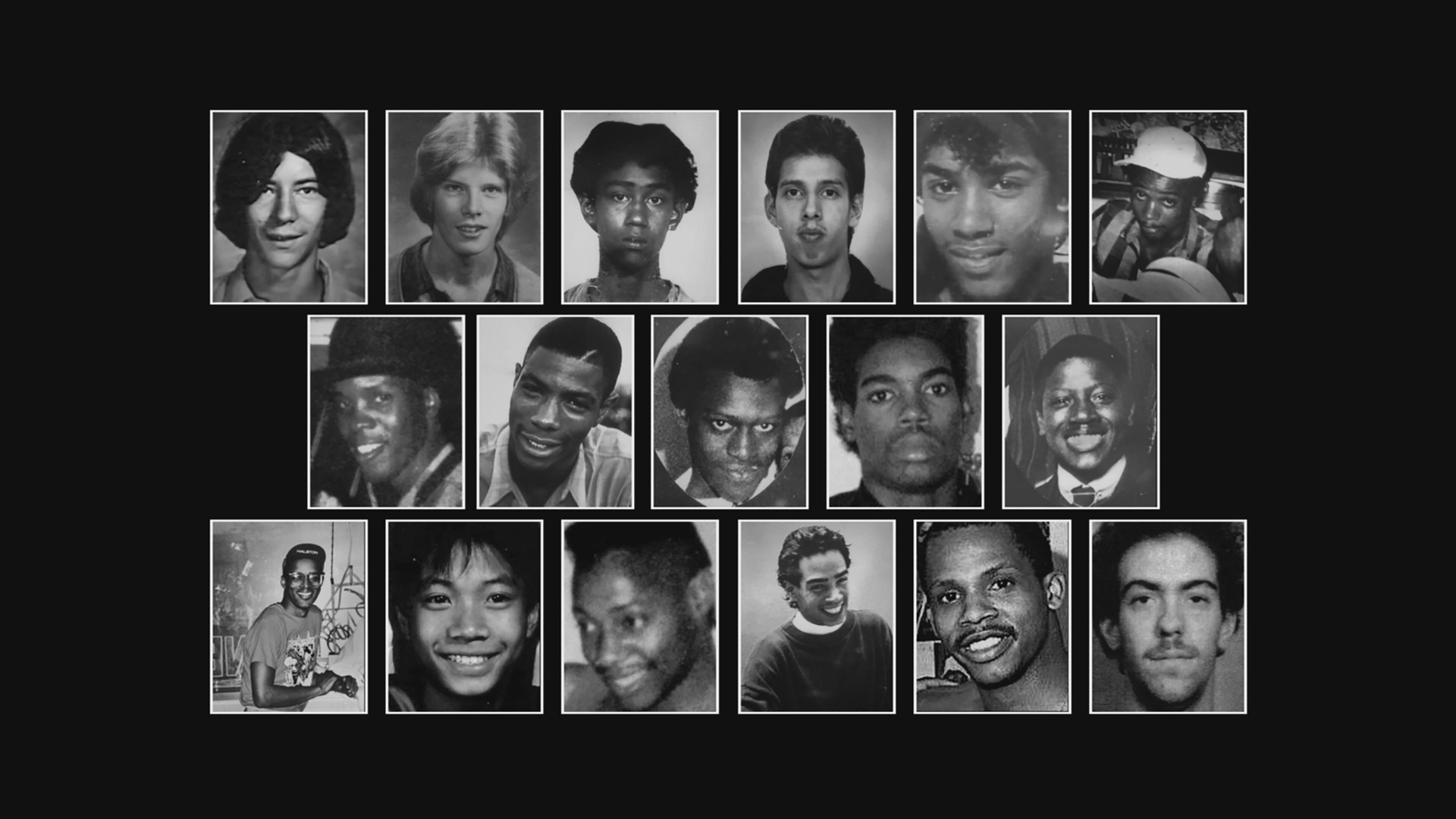
Decades after Dahmer’s arrest, modern true-crime media frequently revisits his atrocities, often sparking intense curiosity around the physical artifacts of his crimes. Yet the reality behind the camera was a tragedy of seventeen stolen lives, many of them young Black, Latino, and Asian men whose disappearances were initially dismissed or overlooked by systemic failures.
The Polaroid pictures were not mysterious artifacts; they were the tangible, horrific evidence of lives cut short. Understanding their true historical context removes the sensationalism and lays bare the cold, methodical nature of Dahmer’s actions—while reinforcing the imperative to protect the dignity of the victims and their surviving families.