Daily Far Side: The Joke That's Too Real
Introduction

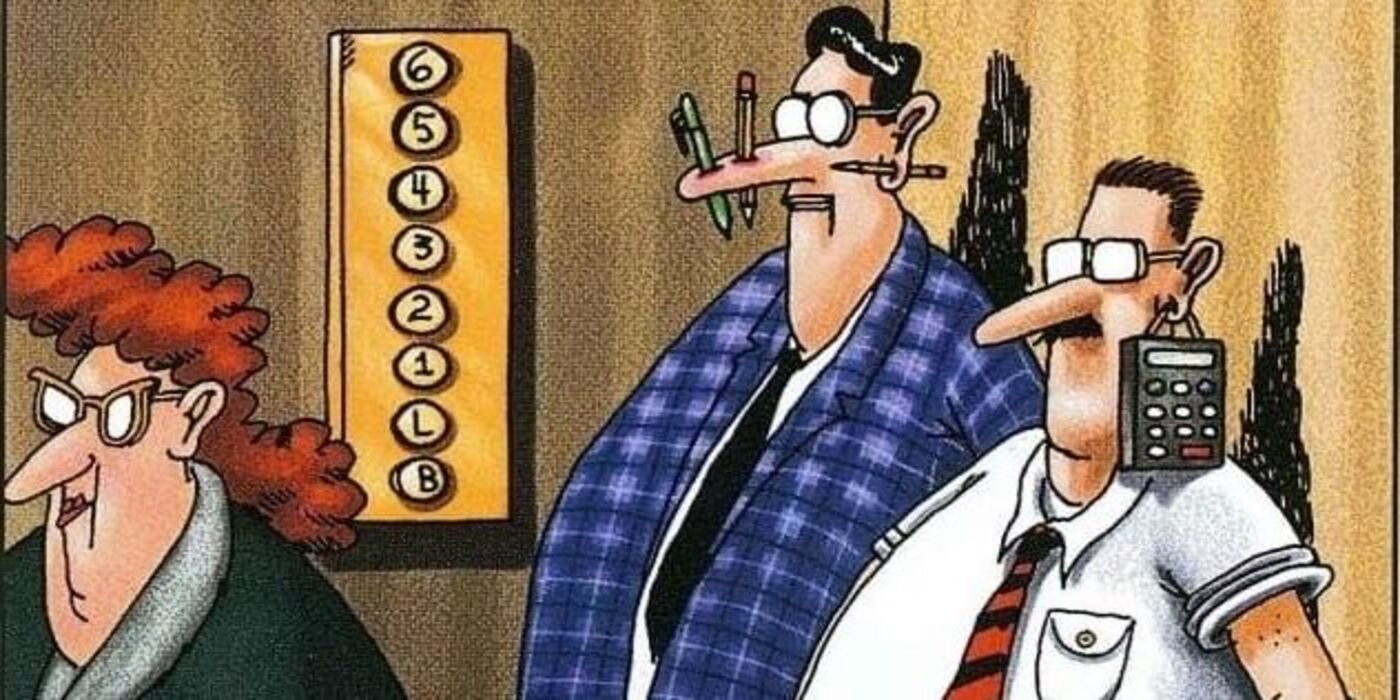
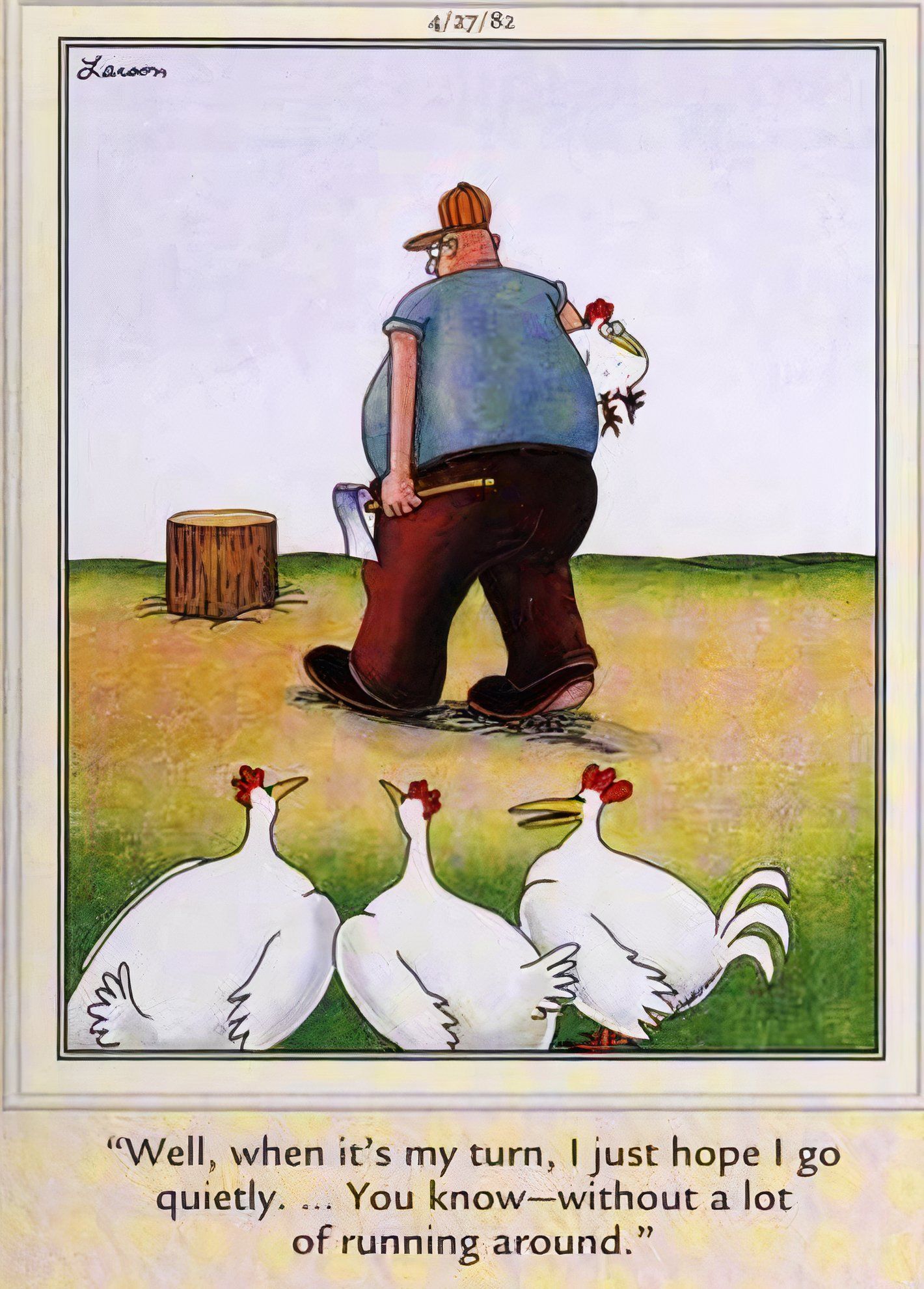
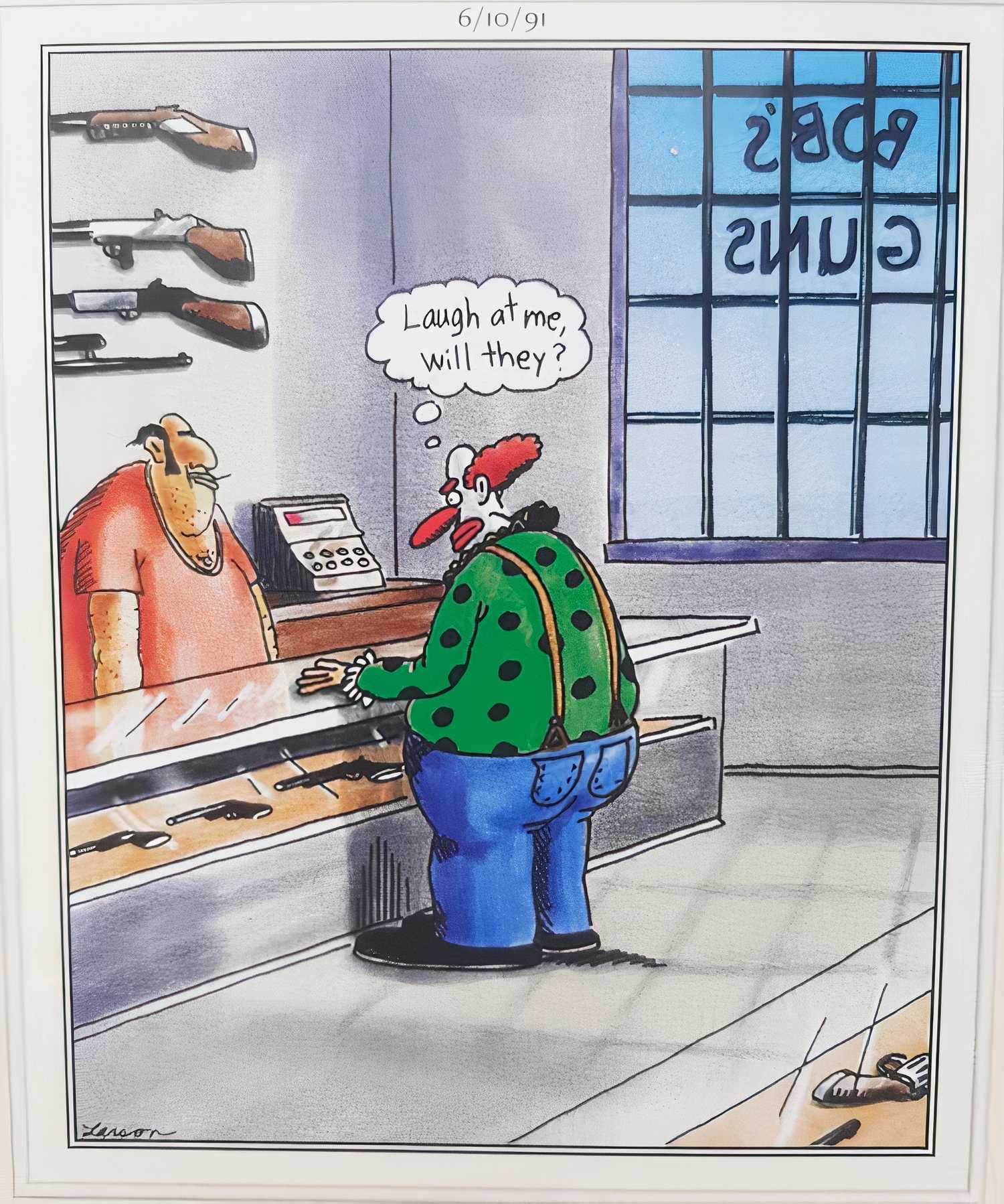
For decades, Gary Larson’s syndicated comic strip *The Far Side* achieved something remarkably rare in the realm of syndicated comedy: it made readers laugh out loud while simultaneously making them squirm. Larson possessed a rare anthropological eye, viewing human behavior through the absurdly distorted lens of cows, scientists, cavemen, and suburbanites. While his panels featured bizarre scenarios—aliens abducting dogs, bears wearing human camping gear, or ducks watching people—they always carried an undercurrent of genuine human experience. When you stumble upon a **Daily Far Side: The Joke That's Too Real**, you aren't just looking at a silly cartoon; you are looking in a mirror.
The Psychology Behind the Uncomfortable Laugh
Humor often relies on subverting expectations, but Larson’s brand of comedy relied heavily on recognition. The jokes that linger in our memories the longest are rarely the most nonsensical ones. Instead, they are the panels that capture the quiet awkwardness of social interactions, the dread of impending responsibilities, or the peculiar ways we try to make sense of a chaotic universe.
Why We Relate to the Absurd
Human beings are meaning-making machines. We look for patterns everywhere, even when none exist. Larson exploited this psychological quirk by placing ordinary human neuroses into completely bizarre contexts. Whether it's a cow secretly plotting behind a farmer's back or a middle-aged man trapped in a completely mundane existential crisis at a cocktail party, the humor works because the emotional core is completely authentic. We have all felt like the cow, or the awkward guest, at least once in our lives.
Anatomy of a Relatable Larson Panel
Video: Dark Humor Comics That Are Way Too Real 😂
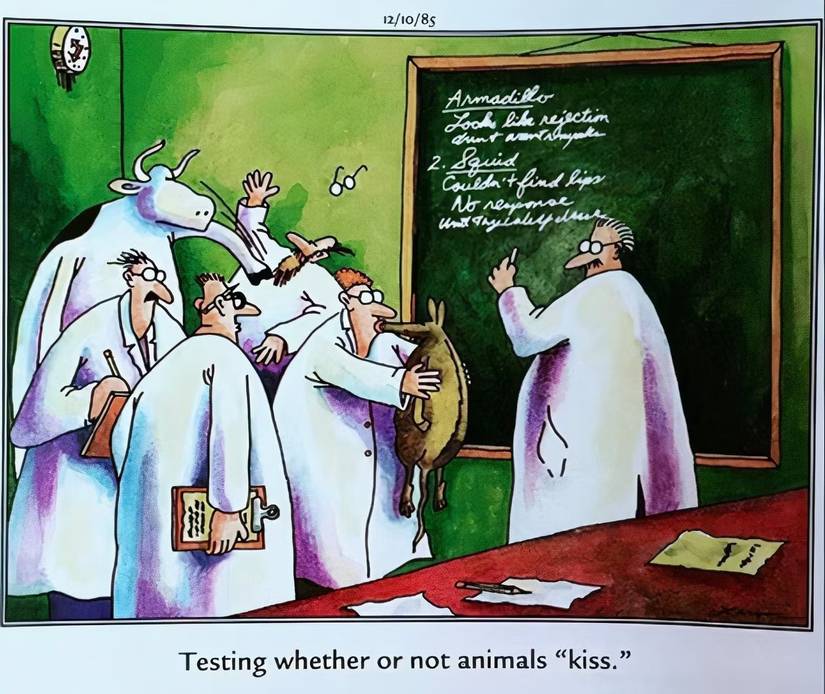
What makes a single-panel cartoon stick in the cultural consciousness long after the morning paper has been recycled? It comes down to a precise formula of visual storytelling, economic captioning, and pitch-black comedic timing. Larson didn't have the luxury of multi-panel setups; he had to deliver the premise, the tension, and the punchline in a single square inch.
- The Mundane Mixed with the Macabre: Larson frequently paired everyday suburban boredom with sudden, surreal peril.
- Anthropomorphism with an Edge: Unlike traditional talking animals in children's books, Larson's animals viewed humans with a mix of disdain, confusion, and culinary interest.
- The Universal Human Flaw: His characters are often caught red-handed in acts of vanity, ignorance, or simple confusion.
How Fans Engage with the Daily Far Side Today
In the digital age, the ritual of the morning comic strip has evolved, but the appetite for Larson's unique brand of humor remains insatiable. Fans eagerly await their daily dose through digital archives, dedicated social media accounts, and desk calendars. Sharing a panel online has become a form of modern shorthand; instead of explaining how stressful a Monday is, a reader can simply post a panel of a scientist frantically pressing a button labeled "Doomsday Device."
The Timeless Appeal of Nostalgia and Insight
Part of what keeps the material fresh is its timelessness. Human nature has not fundamentally changed since *The Far Side* debuted in 1979. We still struggle with technology, misunderstand each other constantly, and find ourselves trapped in bureaucratic nightmares of our own making. When a classic panel pops up on a feed, it cuts through the noise of modern internet culture by offering a simple, beautifully drawn truth wrapped in a punchline.
Conclusion
Gary Larson retired from daily syndication years ago, yet his cultural footprint remains massive. The enduring power of his work proves that comedy doesn't have to be uplifting to be comforting. By highlighting our flaws, our anxieties, and our collective weirdness, Larson gave us permission to laugh at ourselves. The next time a panel hits a little too close to home, remember that you are simply part of a global audience sharing the exact same uncomfortably accurate joke.