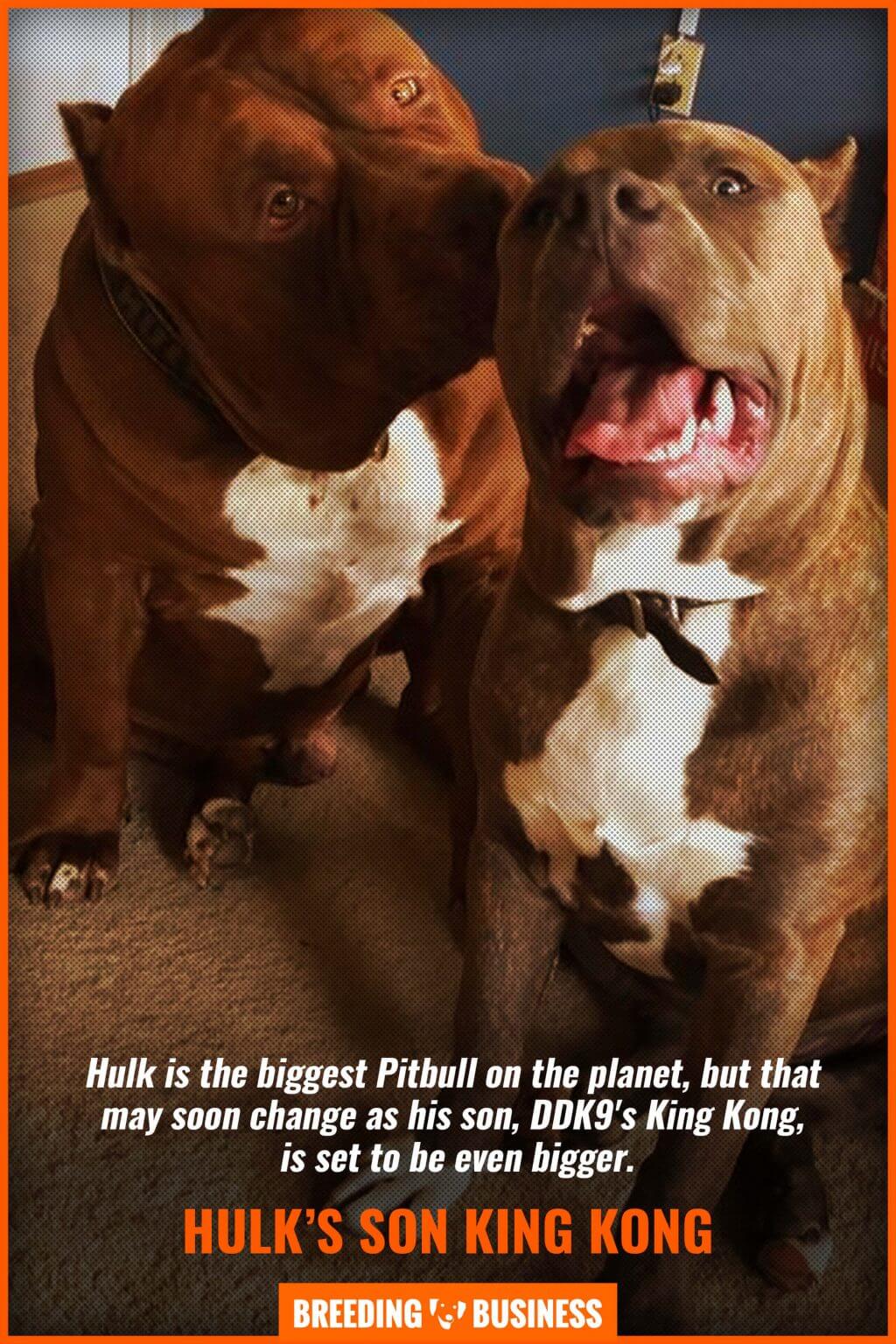
Dark Dynasty K9 Kong: Everything You Need to Know
When people talk about giant, muscular guard dogs on the internet, one name almost always comes up first: Dark Dynasty K9 Kong. As one of the most famous and massive American Bullies in the world, Kong represents the pinnacle—and the ongoing controversy—of extreme canine breeding. Whether you are an enthusiast of large-breed dogs, a prospective owner researching the breed, or simply curious about internet-famous canines, understanding the background of Kong and his home kennel requires a look past the hype.

In this article, we will break down who Kong is, his relationship with the famous Dark Dynasty K9 (DDK9) breeding facility, the realities of owning an XL American Bully, and what the science says about breeding dogs for extreme size.
The Origins of Dark Dynasty K9 Kong
To understand Kong, you first need to understand Dark Dynasty K9. Based in New Hampshire and run by Marlon and Lisa Grennan, DDK9 rose to international prominence through social media, YouTube, and documentaries showcasing massive guard dogs. While the kennel breeds and trains high-level protection dogs for clients worldwide, they are most famous for producing extraordinarily large American Bullies.
Kong was born out of DDK9's relentless pursuit of size, mass, and blocky heads. While DDK9's most famous dog remains "The Hulk"—often hailed as the biggest pit bull or American Bully in the world—Kong stands as another prime example of the kennel's heavy-set, ultra-muscular lineage. These dogs are selectively bred over generations to maximize weight, bone density, and a striking, intimidating appearance.
Kong vs. The Hulk: Understanding the Lineage
Many casual observers confuse Kong with The Hulk, but they are distinct dogs within the same breeding program. Both dogs share the genetic traits that DDK9 has spent years refining:
- Massive, blocky head shapes with heavy jowls.
- Thick, heavy bone structures designed to carry immense weight.
- Musculature that rivals human bodybuilders, driven by high-protein diets and specialized conditioning.
- A docile, family-oriented temperament in controlled environments, contrasted with fierce protective instincts when trained.
The Reality of XL American Bullies
Kong belongs to the XL or XXL variety of the American Bully breed. It is important to note for prospective owners that dogs of this magnitude require specialized care, immense financial investment, and strict management. They are very different from standard companion dogs.
Health Challenges Associated with Extreme Size
Video: RIP Kong - The Tragic Death Of A Dog Dynasty Legend | DOG DYNASTY
Breeding dogs to achieve record-breaking weights and extreme muscle mass comes with significant biological trade-offs. If you admire dogs like the Dark Dynasty K9 Kong, you must also consider the health implications of extreme breeding:
- Joint Stress: Dogs weighing well over 150 pounds put immense pressure on their hips, elbows, and knees. Conditions like hip and elbow dysplasia are major risks.
- Heart Issues: Giant breeds are often predisposed to cardiac issues, including dilated cardiomyopathy (DCM).
- Inability to regulate body temperature as efficiently due to extreme muscle mass and heavy breathing apparatus.
- Shorter average lifespans compared to medium-sized or standard-build dogs.
Training and Socialization Needs
A dog the size of Kong cannot be managed through physical force alone; obedience must be absolute. DDK9 specializes in personal protection training, which requires professional handling, consistency, and clear boundaries. Even if an XL Bully is kept purely as a family pet, their sheer physical power means that poor socialization or lack of obedience training can quickly become a serious liability.
The Controversy Surrounding Extreme Breeding
The breeding practices popularized by kennels like Dark Dynasty K9 are not without criticism. Veterinary professionals and ethical animal welfare organizations frequently raise concerns about breeding for extreme physical traits.
Critics argue that prioritizing hyper-masculinity, massive heads, and extreme body weight compromises the functional health and longevity of the animal. Breathing difficulties, mobility limitations, and surgical requirements for structural issues are common talking points in these debates.
On the flip side, proponents argue that dogs like Kong are carefully health-tested, highly loved, and serve as working protection animals or ambassadors for responsible, high-end breeding programs. The owners emphasize that their dogs live pampered lives with customized raw diets, physical therapy, and acres of land to exercise on.
Conclusion
The legacy of Dark Dynasty K9 Kong captures the fascination many people have with extreme canine genetics. He is a testament to what selective breeding, heavy nutrition, and targeted conditioning can achieve. However, beneath the viral videos and impressive statistics lies a complex reality involving specialized care, significant health considerations, and ongoing debates within the dog breeding community. For anyone captivated by these gentle giants, looking past the internet fame to understand their true biological and behavioral needs is essential.