David Foster's Hidden Wealth: Beyond Hit Songs
When people think of David Foster, they instantly picture a legendary grand piano, 16 Grammy Awards, and timeless hits for Celine Dion, Whitney Houston, and Josh Groban. As one of the most successful songwriters and producers in pop music history, Foster's catalog is undeniably lucrative. However, relying solely on traditional songwriting royalties only tells part of the story. Understanding **how David Foster makes more than just through songs—the hidden wealth** requires looking past the recording studio and into a diversified empire of live touring, brand partnerships, television, and strategic equity plays.

The Myth of the Pure Royalty Income
To the average music fan, hit songs are a perpetual money machine. If a track plays on the radio or streams on Spotify, the writer gets paid. While this is true, modern royalty streams are notoriously complex and often heavily split among co-writers, publishers, and PROs (Performance Rights Organizations). For a veteran producer like Foster, catalog royalties provide a steady, reliable baseline of income, but they rarely account for the staggering scale of his total net worth.
Streaming payouts, while volume-heavy, distribute fractions of a cent per play. Recognizing that traditional publishing alone would not maximize his earning potential, Foster spent decades actively diversifying his financial portfolio. He built an ecosystem where his name, face, and expertise generate revenue independently of whether a new record climbs the Billboard charts.
Live Touring and Global Concert Residencies
One of the most significant pillars of Foster’s modern income comes from the stage. Rather than resting on his studio laurels, Foster transformed himself into a touring live performer.
The 'Hitman' Tour Model
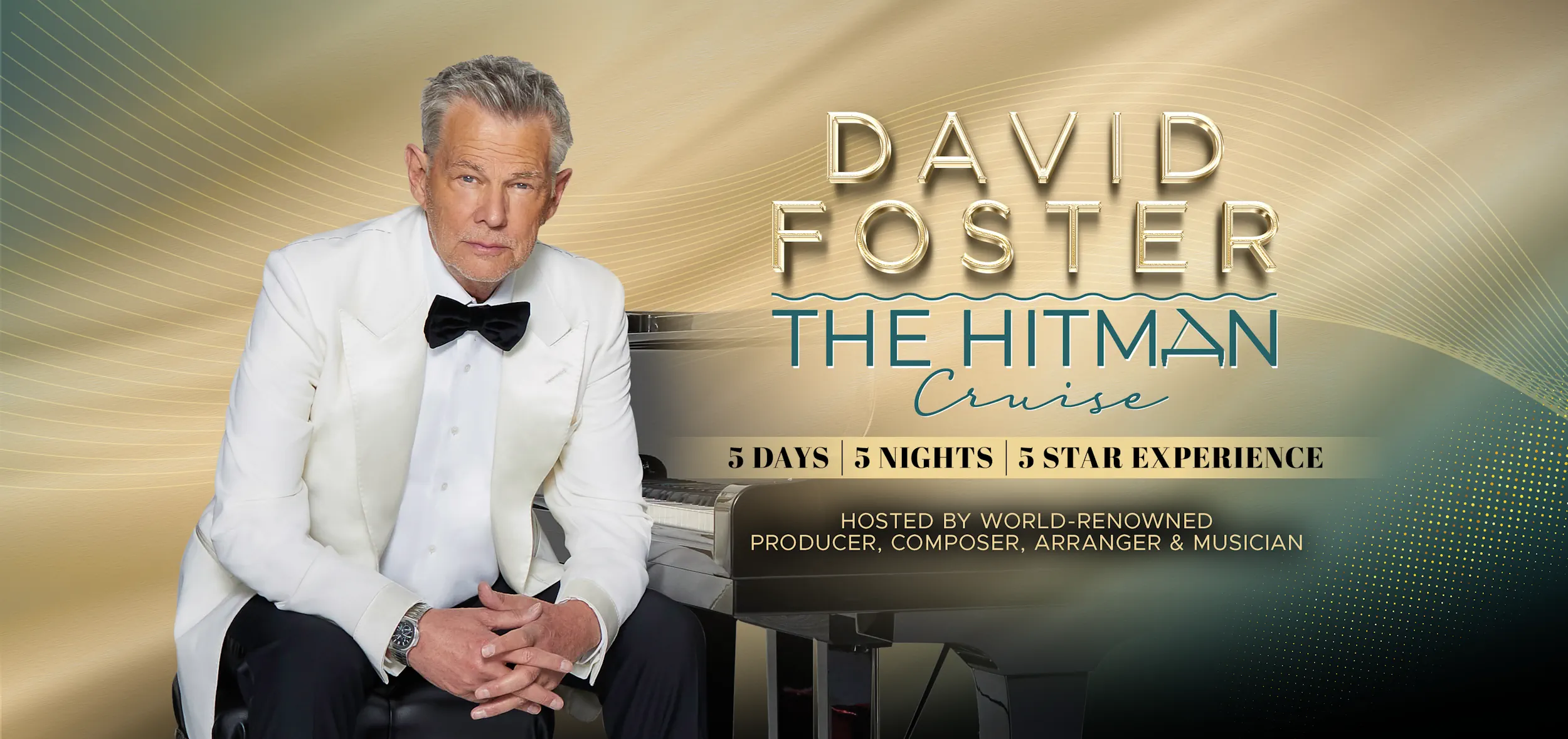
Foster realized that audiences were fascinated not just by the songs, but by the stories behind them. His 'Hitman' concert tours and residencies feature him on the piano, trading stories about working with Michael Jackson, Madonna, and Andrea Bocelli, while bringing out powerhouse guest vocalists.
- High Ticket Sales: These shows command premium ticket prices, appealing to an older, affluent demographic that values nostalgia and musical pedigree.
- Global Reach: Foster frequently tours internationally, particularly in Asia, where his brand of adult contemporary pop and vocal mastery commands massive, sold-out audiences in countries like Japan, Indonesia, and China.
- Private Corporate Gigs: Beyond public arenas, Foster is a premier draw for high-end corporate events, private parties, and exclusive galas, where performance fees can easily reach six figures for a single night.
Television and Media Ventures
Television has played a crucial role in keeping David Foster relevant to younger demographics while simultaneously padding his bank account. Reality television and talent shows offer lucrative appearance fees and massive promotional platforms.
Reality TV and Judging Roles
Foster has leveraged his intimidating yet brilliant reputation as a hitmaker into prominent television roles. From mentoring contestants on American Idol and Asia's Got Talent to starring alongside his wife, Katharine McPhee, in reality and documentary features, media appearances keep his personal brand in the cultural zeitgeist.
Video: The David Foster Secret: Rich Chords
These television contracts come with substantial talent fees, but their true value lies in cross-promotion. Every time Foster appears on screen, ticket sales for his tours spike, and streams of his classic catalog experience a measurable bump.
Executive Roles and Music Industry Leadership
For elite producers, the highest tier of wealth is often generated by occupying the corporate C-suite rather than just working behind the mixing console. Foster has successfully transitioned from a hired-gun producer to an executive decision-maker.
By serving as the Chairman of Verve Records and holding executive consulting roles with major labels, Foster has historically secured lucrative base salaries, performance bonuses, and equity stakes in label performance. In these roles, he doesn't just profit from the songs he writes; he profits from the commercial success of entire rosters of developing artists.
Endorsements, Broadway, and Real Estate
A comprehensive look at Foster's wealth reveals several other streams of income that operate entirely outside the traditional music business model.
Strategic Real Estate Investments
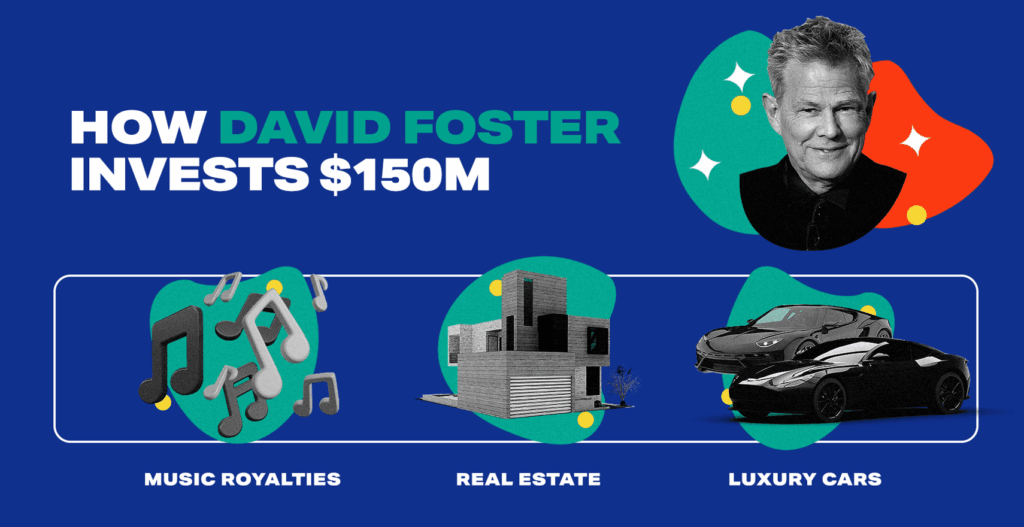
Like many high-net-worth individuals, Foster has utilized luxury real estate as an active investment vehicle. Over the years, buying, developing, and selling high-end properties in prime locations like Malibu and Los Angeles has yielded substantial capital gains.
Musical Theater and Synchronization
Foster has continually expanded his creative footprint into Broadway and film scoring. Theater projects, while expensive and risky to launch, can generate long-term regional licensing and royalty streams if a show finds enduring success. Furthermore, licensing his massive catalog for high-profile film, television, and commercial sync deals guarantees substantial upfront synchronization fees.
The Power of a Diversified Legacy
David Foster’s career serves as a masterclass in modern music economics. While his timeless ballads laid the foundational bedrock of his fame, his wealth endurance is a direct result of business agility. By refusing to rely solely on songwriting royalties, Foster turned his name into a multi-faceted brand that generates revenue through live entertainment, executive leadership, media, and smart investments. For any aspiring artist or producer, the lesson is clear: musical talent opens the door, but business diversification builds the empire.