Day Cab Driver Jobs: What to Expect and How to Apply
If you hold a Commercial Driver's License (CDL) and are tired of spending weeks away from home in a sleeper berth, you are likely looking into day cab driver jobs. Unlike over-the-road (OTR) driving, which keeps long-haul truckers away for weeks at a time, local day cab positions offer the distinct advantage of a predictable schedule and a nightly return to your own bed.

Day cab positions are among the most sought-after roles in the logistics industry. This guide breaks down what these jobs entail, typical compensation packages, daily routines, and actionable advice on how to secure the best positions in your local market.
What Does a Day Cab Driver Do?
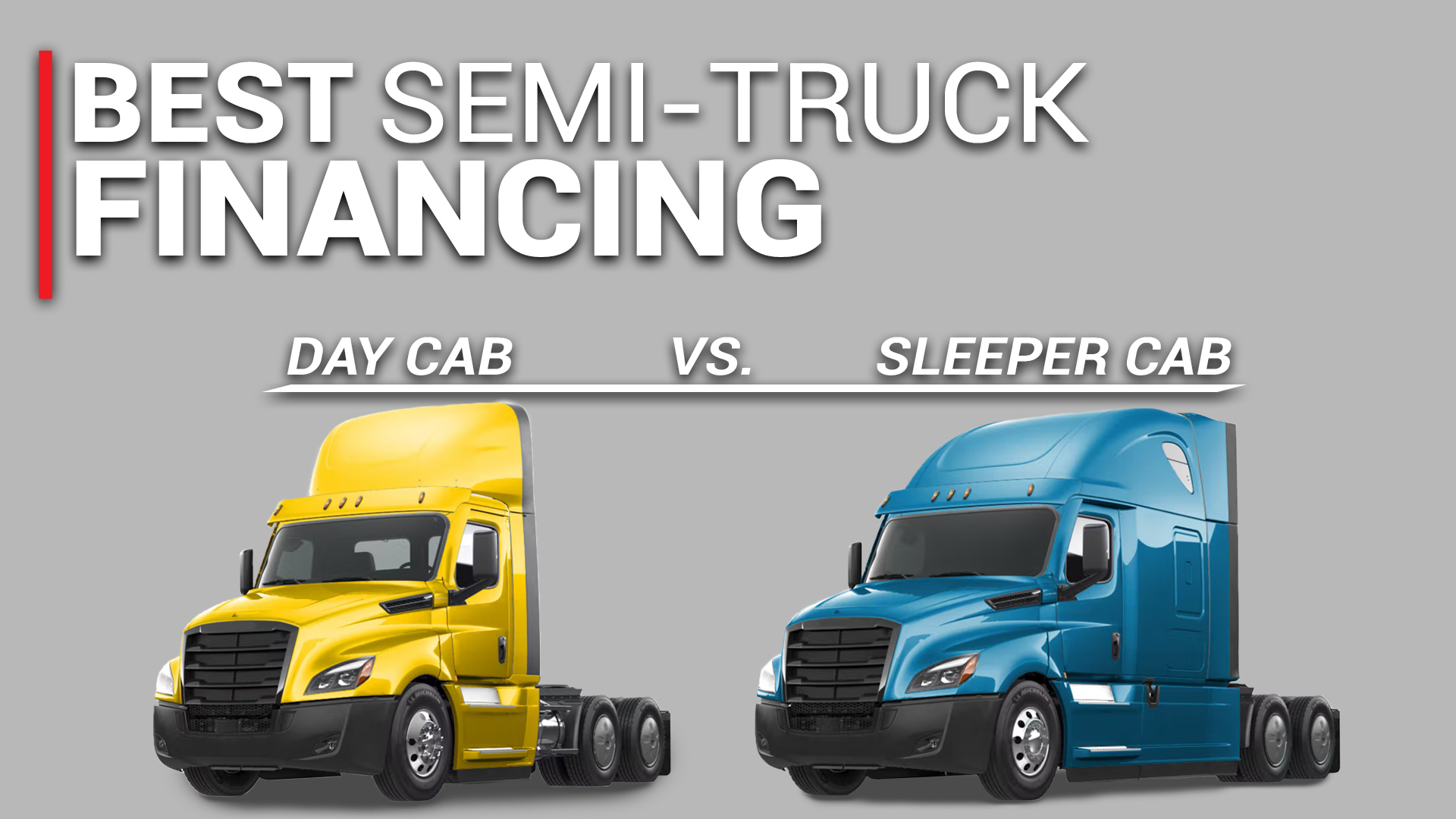
A day cab driver operates a semi-truck that lacks a built-in sleeper compartment behind the cab. These trucks are specifically engineered for shorter, regional, or local hauls. Because you do not need to sleep in the truck, the vehicle is shorter, lighter, and significantly easier to maneuver in tight loading docks, congested city streets, and crowded distribution centers.
Daily responsibilities vary depending on the industry, but they generally involve:
- Performing thorough pre-trip and post-trip vehicle inspections.
- Transporting freight between local warehouses, rail yards, ports, and retail stores.
- Loading and unloading cargo (depending on whether the position is no-touch or requires pallet jacks/liftgates).
- Maintaining accurate Electronic Logging Device (ELD) records and delivery paperwork.
- Communicating dispatch updates to logistics managers in real-time.
Types of Day Cab Driving Positions
Day cab driver jobs come in several varieties, each offering a different lifestyle and set of physical requirements. Understanding these niches helps you target the right employers.
1. Local Delivery and LTL (Less-Than-Truckload)
LTL carriers make multiple stops throughout a designated urban or suburban zone. You might deliver pallets to retail stores, manufacturing plants, and small businesses. These roles often require physical activity, such as operating a hand truck, liftgate, or pallet jack.
2. Interport and Intermodal Drayage
Intermodal drivers pull shipping containers from rail yards and seaport terminals to local warehouses and distribution hubs. This sector involves dealing with port congestion and chassis inspections, but it usually features zero cargo handling—you simply drop and hook containers.
3. Dedicated Regional Runs
Some companies use day cabs for regional routes that stretch 150 to 300 miles away. You will drive to a destination, unload or swap trailers, and drive back the same day. This bridges the gap between OTR pay and local convenience.
Salary and Benefits of Day Cab Driving
Compensation for day cab driver jobs is influenced by your location, endorsements, and the specific industry sector. Because these jobs require specialized local navigation skills and frequent customer interaction, they often command competitive hourly rates or strong mileage pay.
Video: Local DAY CAB Drivers VS DAY CAB Owner Operators (What It Takes To Be A Successful Day Cab Driver)
- Average Pay: Most local day cab drivers earn between $55,000 and $80,000 per year, with high-demand metro areas or specialized chemical/tanker haulers exceeding $90,000.
- Pay Structure: Unlike OTR positions paid purely by the mile, day cab jobs are frequently structured as hourly wages (often with time-and-a-half for overtime over 40 hours) or a combination of stop pay, hourly work, and mileage.
- Benefits: Local fleets typically offer robust benefits packages, including health insurance, 401(k) matching, paid time off (PTO), and predictable weekly schedules.
Pros and Cons of Working in a Day Cab

While home-daily driving is the holy grail for many truckers, it comes with its own unique set of challenges.
The Advantages
- Work-Life Balance: You sleep in your own bed every night, allowing you to be present for family dinners, children's events, and weekend activities.
- Predictable Schedules: Most local jobs operate on a standard Monday-through-Friday shift, minimizing unpredictable weekend layovers.
- Better Maneuverability: Day cabs have a shorter wheelbase and tighter turning radius, making them much less intimidating to park and navigate than sleeper trucks.
The Challenges
- Traffic and Congestion: Driving a heavy truck through rush-hour city traffic every single day can cause high levels of stress and fatigue.
- Frequent Physical Labor: Many local runs involve multi-stop unloading, bumping docks repeatedly, and dealing with tight delivery windows.
- Shift Work: Some companies require early morning starts (e.g., 3:00 AM) or night shifts to beat traffic and meet delivery deadlines.
How to Find and Land the Best Day Cab Jobs
Competition for home-daily driving positions can be fierce because turnover is typically lower than in OTR trucking. To stand out to hiring managers, follow these strategic steps:
1. Maintain a Clean Driving Record
Local employers are extremely risk-averse because you will be operating heavy machinery in dense traffic environments. Keep your Motor Vehicle Record (MVR) clean, free of speeding tickets, and clear of preventable accidents.
2. Earn Relevant Endorsements
Boost your marketability by acquiring specialized endorsements on your CDL. Having your Hazmat (H), Tanker (N), or Doubles/Triples (T) endorsements—or a combination of them (X)—opens doors to fuel, chemical, and specialized freight hauling that pays top dollar.
3. Highlight Customer Service Skills
Unlike OTR drivers who rarely speak to customers face-to-face, day cab drivers interact directly with store managers, warehouse supervisors, and receiving clerks. Emphasize your professionalism, reliability, and communication skills on your resume and during interviews.
4. Network Locally
Visit local distribution hubs, talk to drivers making deliveries in your area, and check the career pages of major grocery chains, beverage distributors, and LTL carriers (like FedEx Freight, Old Dominion, or Saia) operating in your region.
Conclusion
Transitioning to day cab driver jobs is a proven way to reclaim your personal life without leaving the trucking industry. By understanding the daily demands, sharpening your driving record, and targeting the right local fleets, you can secure a lucrative, stable career that keeps you close to home every single night.