Daytona Beach Temperature Guide: Year-Round Weather
Understanding the Climate in Daytona Beach
Planning a trip to Florida's Atlantic coast requires a good understanding of local weather patterns. Whether you are heading down for spring break, NASCAR race week, or a relaxing summer beach vacation, knowing what to expect from the temperature daytona visitors experience year-round is essential for packing and planning.
Daytona Beach features a humid subtropical climate. This means summers are consistently warm and humid, while winters are remarkably mild and short. Because the city sits right on the Atlantic Ocean, sea breezes often help moderate extreme heat during the peak of summer, while ocean waters store warmth well into the autumn months.
Average Temperatures by Season
To help you decide when to book your getaway, let's break down the weather by the four distinct seasons in Central Florida.
Spring (March – May)
Spring is widely considered one of the best times to visit Daytona Beach. Daytime highs steadily climb from the mid-70s in March to the low 80s by May. Overnight lows range from a crisp 55°F to a comfortable 65°F. Rainfall is relatively low during early spring, making it ideal for outdoor activities, beach walking, and major events like Bike Week and race events.
Summer (June – August)
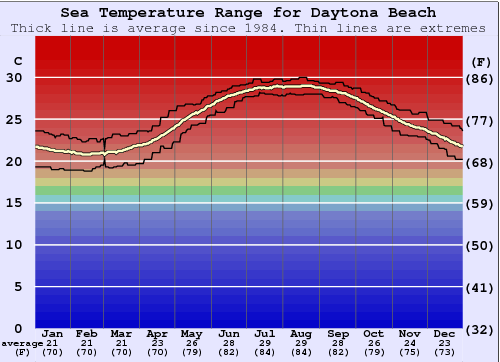
Summer brings serious heat and humidity. Daytime temperatures consistently hover around 90°F (32°C), and high humidity levels can make it feel several degrees hotter. Afternoon thunderstorms are a daily occurrence, bringing brief, heavy downpours that quickly clear up. Ocean temperatures peak during these months, often reaching the low 80s, making it perfect for swimming and water sports.
Autumn (September – November)
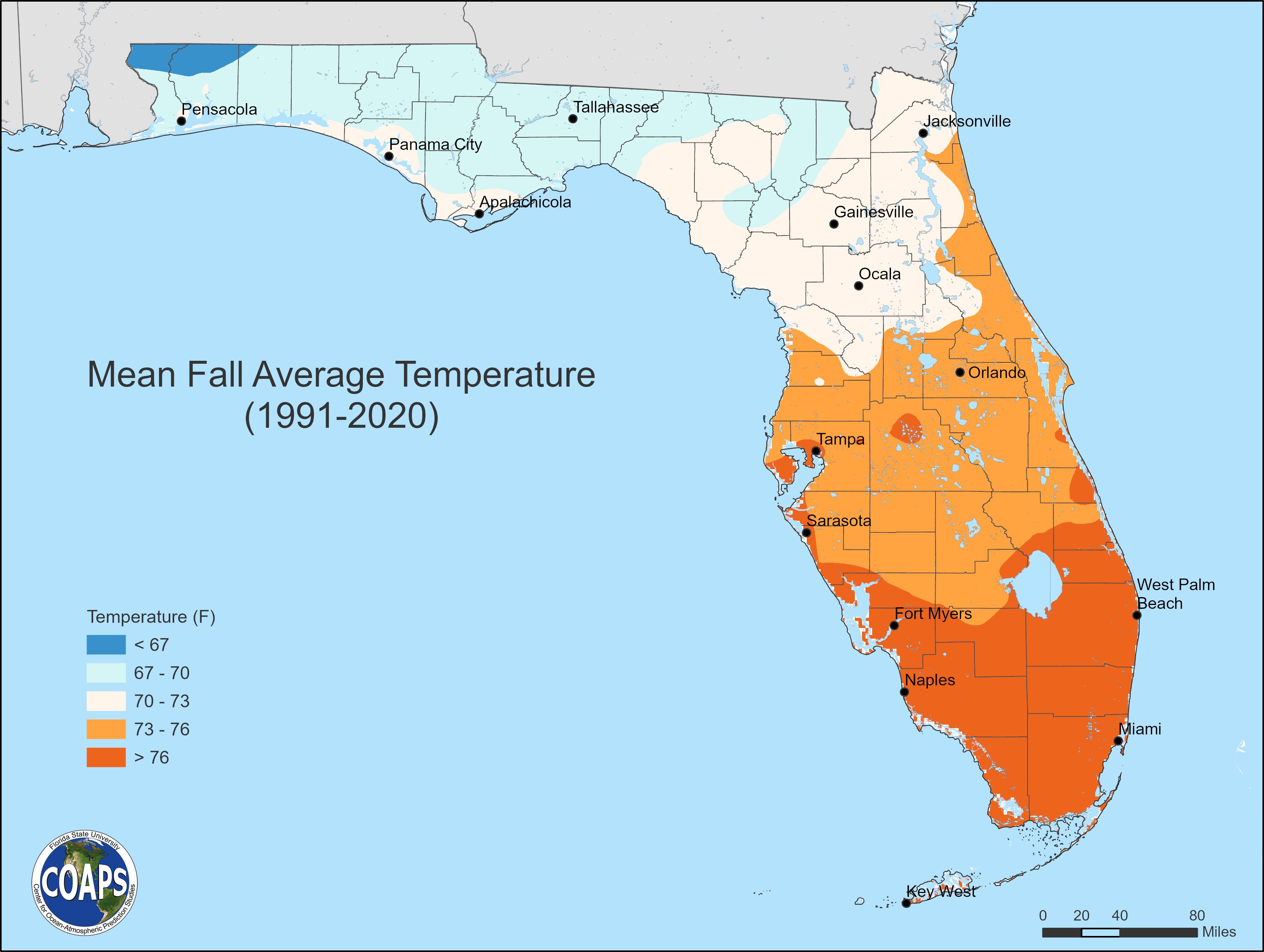
Autumn offers a gradual cooling trend. September still feels very much like summer with highs near 88°F, but by November, daytime temperatures drop to a very pleasant mid-75°F. Ocean water remains warm enough for swimming through October. Keep in mind that autumn coincides with the peak of the Atlantic hurricane season, so checking forecasts is always wise during these months.

Winter (December – February)
Winters in Daytona Beach are mild and refreshing. Afternoon highs average around 70°F (21°C), while overnight lows dip into the upper 40s or low 50s. While it is generally too cool for casual ocean swimming without a wetsuit, the sunny, comfortable days make it a popular escape for travelers fleeing harsh northern winters.
Month-by-Month Temperature Breakdown
If you need precise planning data, here is a look at the average high and low temperatures for Daytona Beach throughout the year:
- January: High 70°F (21°C) / Low 49°F (9°C)
- February: High 72°F (22°C) / Low 51°F (10°C)
- March: High 76°F (24°C) / Low 56°F (13°C)
- April: High 80°F (27°C) / Low 60°F (16°C)
- May: High 85°F (29°C) / Low 66°F (19°C)
- June: High 89°F (32°C) / Low 72°F (22°C)
- July: High 91°F (33°C) / Low 74°F (23°C)
- August: High 90°F (32°C) / Low 74°F (23°C)
- September: High 88°F (31°C) / Low 72°F (22°C)
- October: High 82°F (28°C) / Low 66°F (19°C)
- November: High 76°F (24°C) / Low 59°F (15°C)
- December: High 72°F (22°C) / Low 52°F (11°C)
What Influences Local Weather?
Several geographic factors shape the climate in Daytona Beach:
- The Atlantic Ocean: Coastal waters act as a thermal buffer, keeping winter days slightly warmer and summer afternoons slightly cooler than inland areas like Orlando.
- Sea Breezes: During summer afternoons, opposing winds from the Atlantic and the Gulf of Mexico collide over the Florida peninsula, triggering the famous afternoon rain showers.
- Latitude: Located at approximately 29°N, the area receives abundant sunshine throughout the year, averaging over 230 sunny days annually.
Packing Tips for Your Daytona Beach Trip
What you pack should depend entirely on when you decide to visit:
- For Summer Trips: Pack lightweight, breathable fabrics like linen and cotton. Always bring high-SPF sunscreen, sunglasses, a wide-brimmed hat, and a compact umbrella or rain poncho for sudden afternoon storms.
- For Winter Trips: Bring layers. While daytime highs in the low 70s are comfortable for t-shirts, you will definitely want a jacket, sweater, or fleece for breezy evenings and early mornings on the beach.
- For Spring and Fall: Bring a versatile wardrobe. Pack shorts and swimsuits for daytime warmth, but keep a light jacket or cardigan handy for cooler nights.
Conclusion
Daytona Beach offers fantastic weather nearly year-round. Whether you are chasing the summer heat for a classic beach holiday or seeking mild, comfortable conditions during the winter months, understanding the local temperature trends ensures you are well-prepared for your Florida vacation.