DC Company’s Net Worth: From Comics to Billions
Introduction: The Evolution of a Comic Legend

When Major Malcolm Wheeler-Nicholson founded National Allied Publications in 1934—later evolving into DC Comics—he was simply looking to tell gripping pulp adventure stories. He could not have anticipated that his stapled paper magazines would eventually spark a multi-billion-dollar global empire. Today, when looking at DC Company’s net worth you didn’t see coming!, the numbers stretch far beyond the comic shop shelves and deep into the architecture of modern media conglomerates.
While Marvel dominated the cultural conversation with its interconnected cinematic universe over the last fifteen years, DC’s financial footprint operates differently. It is less about a single movie studio balance sheet and more about a vast, deeply integrated intellectual property machine. Let us break down how DC transformed from ink-stained newsprint into a staggering corporate giant.
The Warner Bros. Discovery Ecosystem and Valuation
To understand DC’s true financial weight, you have to look at its parent company. DC is a subsidiary of Warner Bros. Discovery (WBD), a media behemoth with a market capitalization that fluctuates in the tens of billions of dollars. Because DC is privately held within this larger corporate structure, it does not release a standalone public stock valuation. However, financial analysts and entertainment economists estimate the standalone value of DC’s intellectual property portfolio—spanning characters like Batman, Superman, and Wonder Woman—to be easily worth between $5 billion and $10 billion.
Character Value: The Trillion-Dollar Pantheon
Individual characters within the DC stable carry immense intrinsic market value. Batman and Superman are two of the most recognizable fictional entities on planet Earth. Market research consistently places their combined brand equity in the multi-billions:
- Batman: Widely considered one of the most profitable fictional characters in history, generating billions annually across box office receipts, action figures, video games, and apparel.
- Superman: The archetypal superhero whose global licensing footprint has remained steady for nearly a century.
- Wonder Woman: A cultural touchstone whose merchandising and cinematic output add substantial weight to Warner Bros.' consumer products division.
Revenue Streams Beyond the Printed Page
Many casual observers assume that comic books drive the bulk of a publisher's income. In reality, modern comic publishing is a low-margin, high-risk testing ground. The real engine behind DC Company’s net worth you didn’t see coming! lies in secondary and tertiary markets.
Box Office Success and Blockbuster Budgets
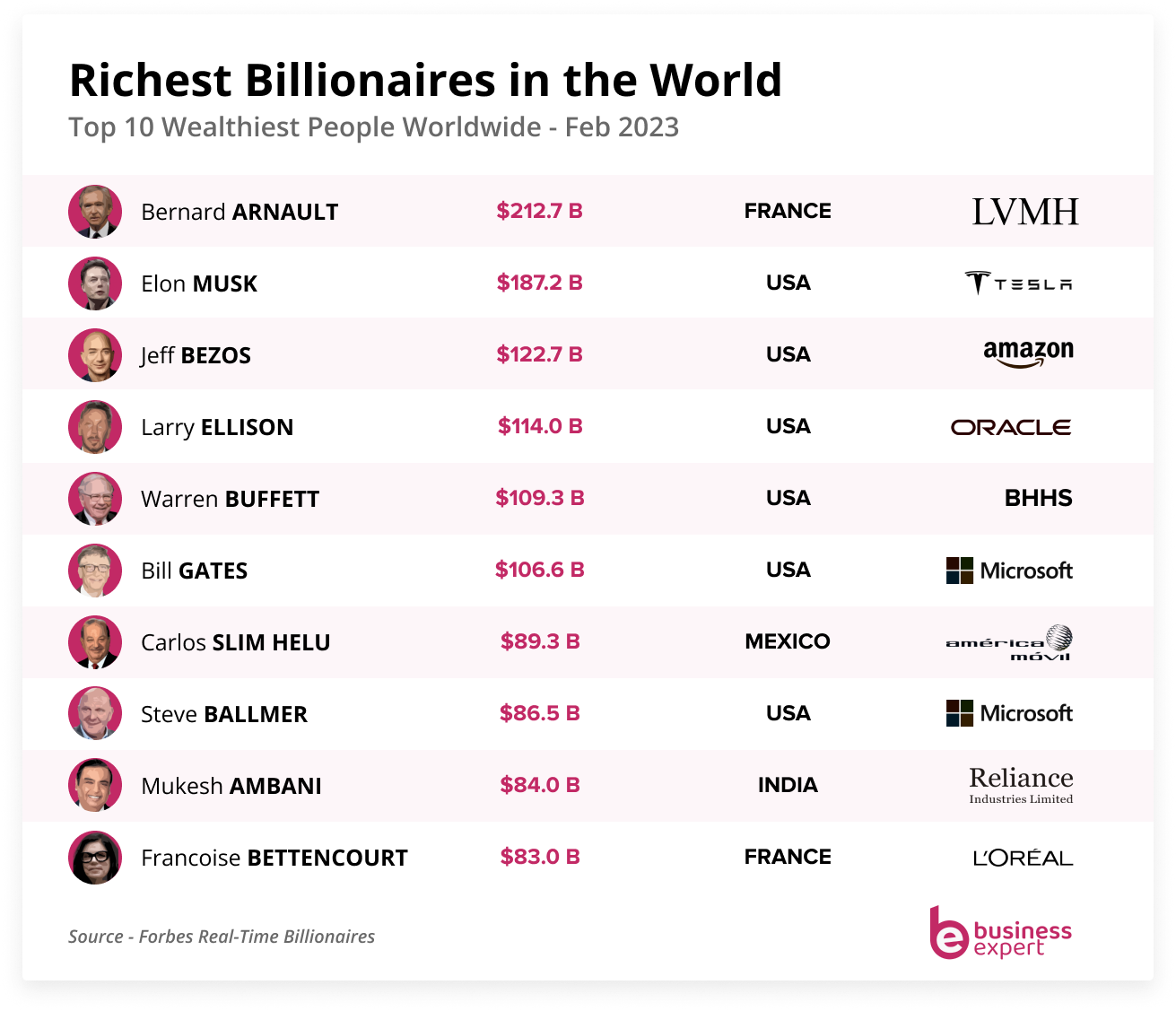
Video: Every Billionaire Superhero Ranked By Net Worth

The cinematic adaptations of DC heroes have grossed over $7 billion worldwide across various eras. While production and marketing costs can eat into theatrical profits, films like Christopher Nolan’s *The Dark Knight* trilogy and Todd Phillips’ *Joker* (which crossed the $1 billion mark on a modest budget) delivered staggering returns on investment for the studio.
The Trillion-Dollar Video Game Market
Interactive media represents one of DC’s most lucrative and underrated revenue streams. Rocksteady Studios’ *Batman: Arkham* series generated hundreds of millions of dollars in sales and redefined the superhero video game genre. Massive multiplayer online titles, mobile games, and upcoming console releases ensure a steady, high-margin cash flow that rivals major Hollywood blockbusters.
Consumer Products and Global Licensing
Merchandising is the silent titan of DC’s financial portfolio. Every time a child wears a Batman t-shirt, a collector buys a Hot Toys Superman figurine, or a fan purchases a branded water bottle, a percentage of royalties flows directly back to DC and its parent company. Global licensing deals with partners like Mattel, Lego, and Nike generate hundreds of millions of dollars annually with remarkably low overhead compared to filmmaking.
The Future of DC Studios
Under the leadership of James Gunn and Peter Safran, DC Studios is undergoing a massive restructuring. The launch of a unified DC Universe (DCU)—spanning film, television, animation, and video games—aims to streamline storytelling and maximize profitability. If this interconnected strategy succeeds, it could significantly elevate the brand's overall market valuation.
Conclusion
DC's journey from modest comic book publisher to a pillar of global entertainment is a testament to the enduring power of its mythos. While it began as simple pulp entertainment, the careful management of legendary characters has built an enterprise worth billions. As new media formats emerge, DC proves that great storytelling is the ultimate appreciating asset.