Deaths at Horseshoe Bend: Risks, Facts, and Safety
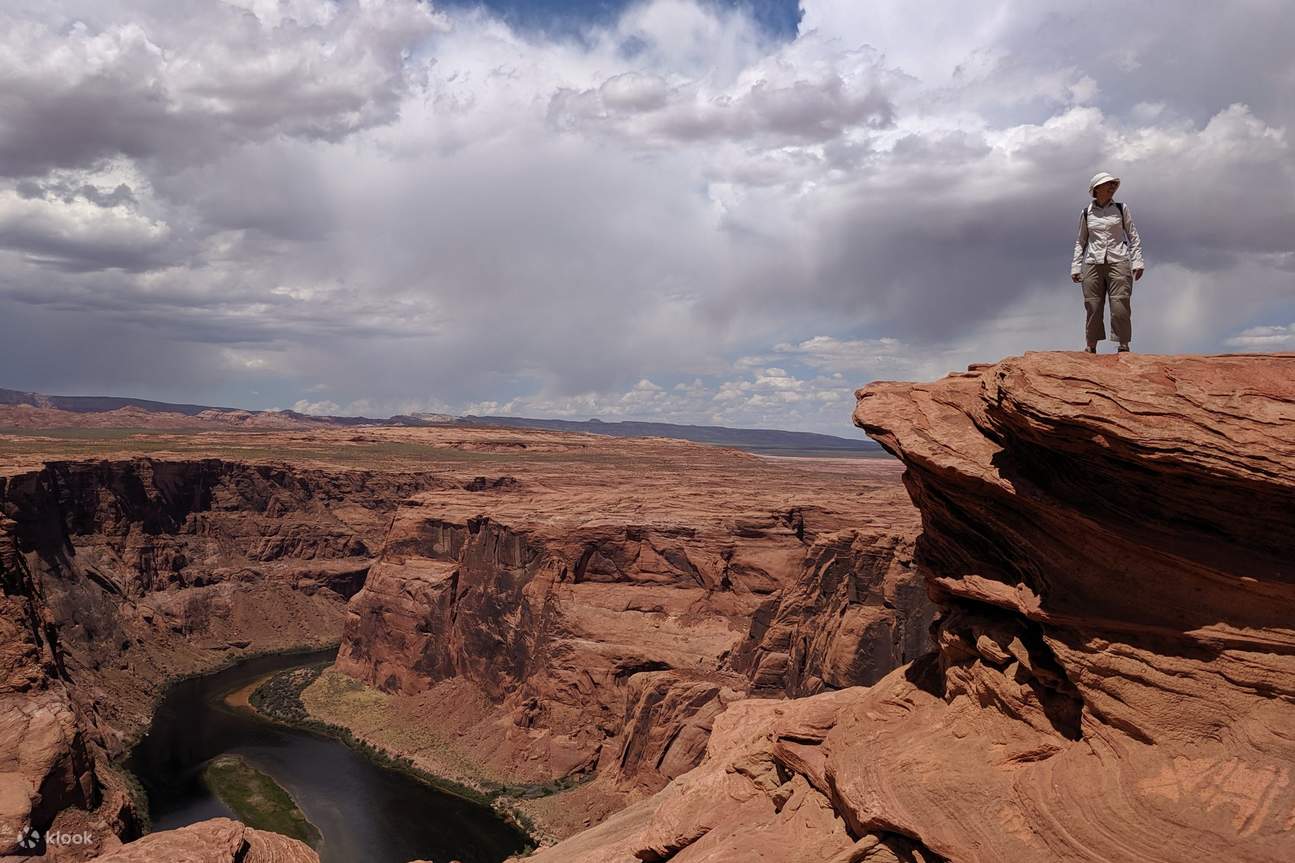
Horseshoe Bend, a dramatic incised meander of the Colorado River near Page, Arizona, attracts more than two million visitors each year. Standing on the sandstone rim, tourists gaze down roughly 1,000 feet (300 meters) to the emerald curve of the river below. Yet, the same sheer drop-off that makes the destination famous also makes it unforgiving. Given its immense popularity on social media, questions surrounding deaths at horseshoe bend frequently arise among travelers planning a trip to the American Southwest.

While millions visit without incident, fatal accidents have occurred at the rim and along the desert trail leading to it. Understanding what causes these tragedies, how authorities have responded, and how to navigate the terrain responsibly is essential for any visitor.
Documented Deaths at Horseshoe Bend: What the Data Shows
Accurate historical counts require looking at data from both the National Park Service (NPS)—which manages Glen Canyon National Recreation Area—and the City of Page, which manages the trail entrance and parking facilities. On average, the site experiences between zero and two fatalities in any given year. Given the massive foot traffic, the statistical probability of a fatal accident remains very low, but the catastrophic nature of a fall means every incident makes international headlines.
Over the past two decades, approximately a dozen confirmed fatal falls have occurred directly from the rim. These incidents generally fall into two categories: unintentional falls caused by slips or unstable rock, and intentional acts of self-harm. In addition to falls, extreme desert heat claims lives or causes severe medical emergencies along the access trail during summer months when temperatures consistently exceed 100°F (38°C).
Notable Incidents Over the Years
- July 2010: A Greek tourist fell approximately 600 feet to his death while visiting the rim.
- May 2018: A 33-year-old man from Texas plummeted hundreds of feet from the rim edge late in the afternoon.
- December 2018: A 14-year-old girl visiting from California was reported missing by her family and was later discovered deceased at the base of the cliff after an accidental fall.
- March 2019: A 49-year-old tourist from Macau, China, slipped and fell while attempting to take photos near the canyon edge shortly after sunrise.
Each of these events spurred public debate regarding visitor behavior, infrastructure investments, and whether natural landmarks should be altered to protect tourists from their own missteps.
Primary Causes Behind Fatalities at the Rim
A 1,000-foot drop leaves no margin for error. Search and rescue personnel from the Coconino County Sheriff’s Office and Glen Canyon National Recreation Area consistently point to a few recurring hazards.
1. Fragile Navajo Sandstone
The geologic formation that gives Horseshoe Bend its reddish hues is Navajo sandstone. While it appears solid, the stone is cemented sand that erodes easily underfoot. The outer lips of the cliffs often consist of thin, undercut overhangs. A rock ledge that looks capable of bearing weight may fracture suddenly, causing whatever—or whoever—is standing on it to drop instantly.
2. Distracted Photography and "Selfie Culture"
Social media has radically transformed how people experience Horseshoe Bend. In pursuit of unique angles, some visitors back up toward the ledge without looking, attempt handstands, sit with their feet dangling over empty air, or jump for mid-air action shots. Losing one's balance or experiencing sudden vertigo at the edge is frequently fatal.
3. Sudden Wind Gusts
The canyon acts as a natural wind funnel. High desert winds can gust across the plateau with little warning. A sudden 40-mph gust can easily knock an off-balance hiker off a narrow rock ledge or cause someone peering over the edge to lose their footing.
4. Extreme Heat and Dehydration
Not all deaths in the area stem from falling. The walk from the parking lot to the rim is roughly 1.5 miles round-trip over an open, unshaded desert trail. During peak summer, ambient temperatures routinely top 105°F (40.5°C), while ground temperatures on the sand and gravel can exceed 130°F (54°C). Tourists unprepared for the heat frequently suffer heat exhaustion or heat stroke, which can lead to cardiovascular collapse or disorientation near cliff edges.

Safety Upgrades: How the Park Has Changed
Prior to 2018, Horseshoe Bend was largely undeveloped. Visitors parked on an unpaved shoulder off U.S. Route 89 and walked across open sand to an entirely unfenced rim. As annual visitation exploded from a few thousand to millions, local authorities recognized that passive warnings were no longer enough.
Between 2017 and 2019, the City of Page and the National Park Service executed a multi-million-dollar safety and accessibility improvement plan:
- Viewing Platform and Safety Railing: A sturdy safety railing was installed along a prime viewing section of the rim, providing an engineered barrier where crowds concentrate.
- ADA-Accessible Trail: The trail was graded, hardened, and widened, allowing emergency vehicles faster access and reducing tripping hazards for walkers.
- Shade Shelters: Two covered rest stations were placed along the trail to mitigate heat stress.
- Increased Signage: Clear warnings in multiple languages were placed along the route, warning visitors about cliff hazards, fragile rock, and the necessity of carrying water.
It is important to note that the railing covers only a small portion of the rim. Miles of cliff line to the left and right remain completely open and unfenced to preserve the natural scenery.
Essential Guidelines for Staying Safe at Horseshoe Bend
Horseshoe Bend can be visited safely by travelers of all ages if common-sense rules are observed. When planning your visit, keep the following precautions front of mind:
Maintain a Safe Distance
If you choose to explore sections of the rim beyond the safety railing, stay at least six to ten feet back from the edge. Never lie down and peer over the lip of an overhang, as you cannot verify the structural stability of the stone beneath you from above.
Wear Sturdy Footwear
Leave flip-flops, slides, and smooth-soled fashion shoes in the car. The terrain consists of loose sand, gravel, and uneven rock. Shoes with deep rubber tread (such as trail runners or light hiking shoes) provide the friction needed to prevent sudden slips.
Never Jump, Run, or Pose Precariously
No photograph is worth risking your life. Refrain from hopping across fissures in the rock, posing on narrow perches, or turning your back to the canyon while moving backward to frame a shot.
Prepare for the Desert Climate
Always carry water, even for a short 1.5-mile walk. During the warmer months (May through September), each person should carry at least one liter of water, wear a wide-brimmed hat, apply sun protection, and attempt to visit during the cooler morning or late evening hours.
Final Perspective
Horseshoe Bend remains one of the crown jewels of northern Arizona’s landscape. The tragedies that have occurred there serve as a sobering reminder of the forces of nature and the vulnerability of the human body. By respecting posted warnings, staying back from crumbling ledges, and preparing for the desert environment, you can enjoy the awe-inspiring vista without putting yourself or rescue personnel at risk.