Deaths in Rome GA: A Call for Action: Can We Prevent This?
Every community is defined not only by its history and growth, but by how fiercely it protects its residents. In Northwest Georgia, recent discussions among civic leaders, healthcare workers, and families have centered on a somber reality: too many lives are being lost prematurely to traffic collisions, substance overdoses, untreated chronic illnesses, and community violence. When confronting the tragic patterns of deaths in Rome GA: a call for action: how can we prevent this? emerges not merely as a headline, but as an urgent demand for systematic change across Floyd County.

Preventing needless fatalities requires looking beyond raw numbers to understand the root causes. By examining where our systems fall short and identifying practical, locally tailored interventions, Rome can build a safer environment for every resident.
Understanding the Primary Drivers of Mortality in Floyd County
While natural aging accounts for the majority of deaths, public health officials categorize a significant subset of annual fatalities as preventable. In Rome and the broader Floyd County area, several factors consistently drive preventable mortality rates above state and national benchmarks.
1. High-Speed Arterials and Pedestrian Safety
Rome serves as a regional commercial hub, channeling heavy freight and daily commuter traffic through congested corridors like Turner McCall Boulevard, Shorter Avenue (U.S. 411), and Martha Berry Boulevard (U.S. 27). Intersection collisions, speeding along rural connectors, and a lack of continuous pedestrian infrastructure in dense neighborhoods contribute heavily to fatal motor vehicle crashes each year.
2. The Opioid and Fentanyl Epidemic
Like many communities across the Appalachian foothills, Rome has felt the devastating weight of synthetic opioids. Fentanyl-laced counterfeit pills and illicit substances have dramatically accelerated accidental overdose deaths. Emergency responders from Floyd County EMS and local law enforcement are frequently deployed to overdose calls, but emergency intervention alone cannot outpace an uncontrolled illicit supply chain.
3. Cardiovascular Disease and Healthcare Deserts
Despite being home to premier regional medical centers—including Atrium Health Floyd and AdventHealth Redmond—Floyd County experiences high rates of premature death linked to heart disease, hypertension, and stroke. Socioeconomic disparities, limited transportation in outlying rural sectors, and delayed preventive screenings mean treatable conditions frequently progress to fatal medical emergencies.
4. Interpersonal Violence and Youth Vulnerability
While Rome boasts close-knit neighborhoods, specific pockets face persistent challenges with firearm-related violence and youth disputes. When community-level social safety nets erode, disputes escalate quickly, leaving grieving families and traumatized neighborhoods in their wake.
Deaths in Rome GA: A Call for Action: How Can We Prevent This?
Video: Powell woman stabbed to death in Rome, Georgia
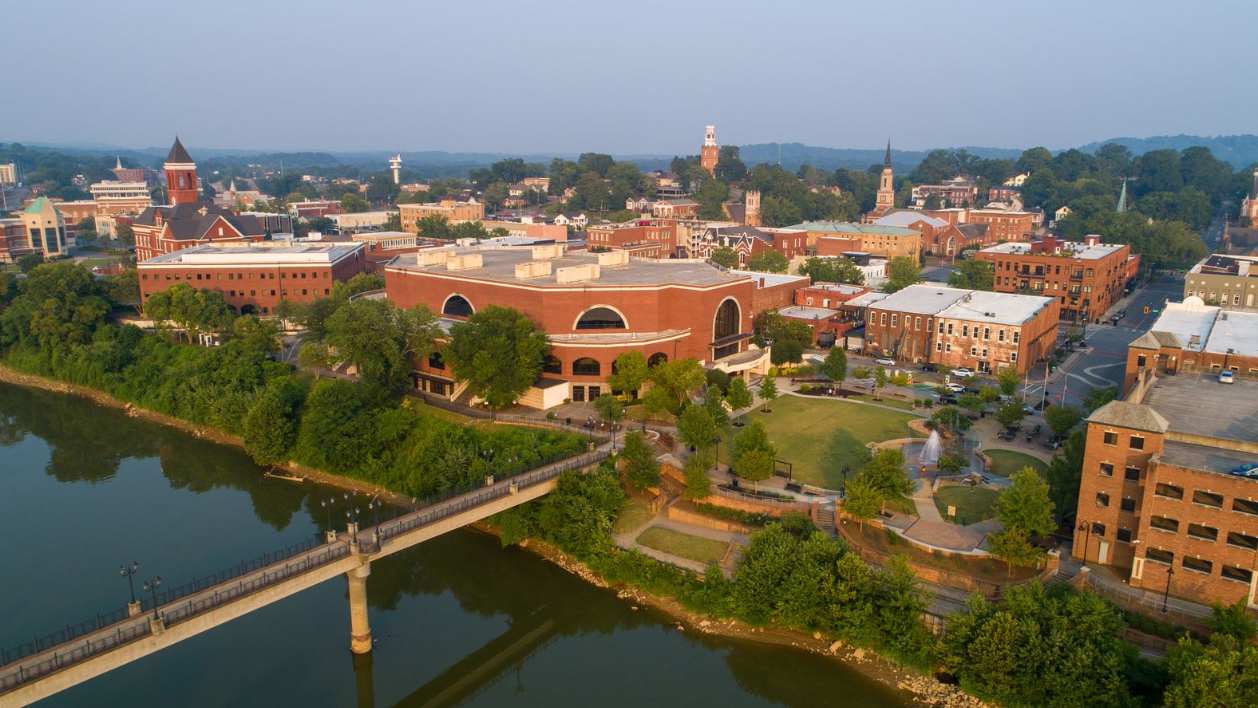
Addressing these converging crises requires an integrated strategy rather than piecemeal fixes. Lasting prevention depends on coordination among municipal leadership, public safety agencies, healthcare networks, and neighborhood organizations. Below are the key pillars that can drive measurable reductions in preventable fatalities across Rome.
Upgrading Road Engineering and Traffic Enforcement
Road design directly influences driver behavior and pedestrian survival rates. Rome can implement targeted safety improvements that reduce fatal collisions:
- Targeted Traffic Calming: Deploying optical speed bars, raised pedestrian crosswalks, and improved signal timing on high-risk stretches like Turner McCall Boulevard and Redmond Circle.
- Complete Streets Implementation: Expanding protected sidewalks, pedestrian refuge islands, and dedicated bike corridors in high-foot-traffic areas near schools and residential pockets.
- Data-Led Enforcement: Utilizing Georgia Department of Transportation (GDOT) crash data to station Rome Police Department and Floyd County Police patrols at documented crash hotspots during peak incident hours.
Expanding Harm Reduction and Mental Health Interventions
Overdose deaths are fundamentally preventable when evidence-based public health resources are readily accessible. Community stakeholders must focus on:
- Universal Naloxone Availability: Supplying free, anonymous Naloxone (Narcan) rescue kits to schools, hospitality venues, transit centers, and community organizations, paired with basic training.
- Expanded Inpatient and Outpatient Recovery Beds: Partnering with regional healthcare networks to address the acute shortage of detox and long-term recovery beds in Northwest Georgia.
- Mobile Crisis Response Teams: Pairing licensed mental health clinicians with law enforcement officers during psychiatric and substance-abuse 911 calls to de-escalate crises before they turn fatal.
Strengthening Preventative Healthcare Access
Preventing cardiovascular and chronic disease deaths requires meeting vulnerable residents where they live, rather than waiting for them to arrive in emergency departments:
- Decentralized Mobile Clinics: Deploying mobile screening vans to community centers, churches, and rural Floyd County hubs to check blood pressure, glucose, and cholesterol levels.
- Subsidized Transportation Networks: Creating reliable micro-transit or rideshare vouchers for low-income patients who miss life-sustaining medical appointments due to transit barriers.
- Nutritional Education and Food Security: Expanding partnerships with local food banks and community gardens to counteract chronic nutrition deficits that accelerate lifestyle diseases.
Investing in Youth Mentorship and Community Policing
Preventing violent fatalities starts with proactive community investments that give young people viable alternatives to street conflict:
- Safe Haven After-School Programs: Funding sports leagues, vocational workshops, and digital arts centers that operate during unsupervised evening hours.
- Neighborhood-Level Mediation: Training trusted community elders and violence interrupters to defuse neighborhood tensions before firearms are introduced.
- Community-Police Collaboration: Hosting regular, informal neighborhood forums where officers and residents build mutual accountability and trust outside of enforcement contexts.
How Individual Citizens Can Drive Change in Rome
Broad municipal policy changes are essential, but local residents do not have to wait for city hall to take meaningful action. Everyday vigilance saves lives:
- Learn Basic Lifesaving Skills: Get certified in CPR, the use of automated external defibrillators (AEDs), and the administration of Naloxone through local Red Cross or public health courses.
- Report Road Hazards Proactively: Use the City of Rome citizen request portals to report broken streetlights, obscured stop signs, and dangerous road surfaces before they cause a collision.
- Engage with Local Governance: Attend Rome City Commission and Floyd County Board of Commissioners meetings to advocate for infrastructure investments in overlooked neighborhoods.
- Support Local Nonprofits: Volunteer time or resources to organizations working on the frontlines of domestic violence, youth mentorship, and addiction recovery in Floyd County.
Turning Awareness into Lasting Safety
Preventable loss of life is not an inevitable byproduct of community growth. It is a symptom of systemic vulnerabilities that can be corrected through sustained will, targeted resources, and compassionate public policy. Rome has the medical expertise, the civic infrastructure, and the community spirit necessary to reverse these trends. By demanding accountability, modernizing public safety protocols, and ensuring every resident has access to preventative care, Rome can build a community where fewer lives are cut short and every neighbor has the opportunity to thrive.